What Materials Deliver the Best Grate Bar Durability?
How long a grate bar lasts depends on how well an alloy stands up to rough use, changing temperatures, and being hit by something solid over and over again. When buyers know about these trade-offs, they avoid having to replace things too soon and waste time on inefficient screening. This guide breaks down the features that make grate bars last a long time.
Why Does Grate Bar Material Selection Matter for Service Life?
Direct Impact on Replacement Frequency
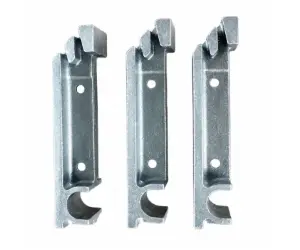
The choice of material affects how often a grate bar needs to be replaced when it is used with heavy loads. In harsh settings, regular carbon steel grate bar parts need to be replaced every three to six months. But properly alloyed grate bar parts can make that last longer, up to a year. This saves plant workers time and money on maintenance.
Influence on Screening and Processing Efficiency
If the grate bars are old or twisted, they can't be spaced evenly, which can lead to material bridging or uneven particle flow through the fans and breakers. By choosing metals that don't change size when subjected to heat and mechanical stress, the space between the grate bars stays the same. This protects the accuracy of subsequent screening and avoids costly production bottlenecks in ongoing industrial processes.
Connection to Total Operating Cost
Failure of the grate bar too soon costs a lot more than the cost of a replacement part. Unexpected shutdowns, the work needed to reinstall things, and processing delays add up quickly. Spending more on a long-lasting grate bar material at the start lowers the total cost over its lifetime, even if it costs more at first than standard carbon steel options.
Key Material Properties That Enhance Grate Bar Durability
Hardness and Abrasion Resistance
How well a grate bar's surface stays in place against limestone, clinker, rock, and other rough materials depends on how hard it is. High chromium alloys hit HRC 45 to 55, which is much better than regular carbon steel and even manganese steel in medium to heavy wear conditions. This directly increases the working life of grate bars in tough material processing settings.
Structural Toughness Under Impact Load
A strong grate bar must not crack when hit with repeated mechanical shock, not just when it wears down on the outside. Molybdenum and vanadium are examples of alloying elements that make metals tougher at the same time. This keeps them from breaking easily. Forged or precision-cast grate bar units also don't have weak welding seams, which are a common place where lower-quality parts fail when they're loaded with weight.
Corrosion and Oxidation Stability
If the amount of chromium in the grate bar is higher than a certain level, it forms an inactive oxide film on the surface that protects it from acidic ore pulp, alkaline clinker dust, and high-humidity plant conditions. This layer of protection stops material loss before it happens, which would happen with abrasive wear alone. This makes the grate bar last longer in corrosive processing environments.
How Do Heat Resistance and Wear Resistance Affect Grate Bar Performance?
Behavior Under Sustained High Temperature
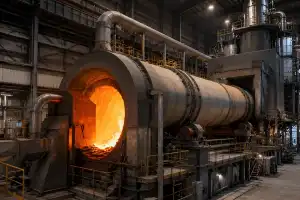
Temperatures above 800°C are common for grate bar parts in sintering machines and clinker coolers. High-chromium cast iron creates a solid Cr2O3 oxide layer that stops further oxidation. This helps the grate bar keep its shape and structure without bending or cracking when exposed to high temperatures for long periods of time.
Combined Wear and Thermal Fatigue
In real life, heat and wear rarely work together on their own. Repeatedly heating and cooling a surface makes it less hard, which makes a grate bar more likely to wear down from rough surfaces. Materials that are designed to be good at both properties at the same time, rather than just one, always do better in tough field work than metals that are only good at one property.
Practical Consequences for Plant Uptime
If heat resistance fails before wear resistance, a grate bar will change shape and lose its exact spacing long before the surface starts to show signs of wear. Engineers can choose the right alloy balance and avoid picking a grate bar rated for the wrong primary stress if they know which failure mode is most common in their application.
Comparing Common Materials Used in High-Performance Grate Bars
High Chromium Cast Iron vs Ordinary Carbon Steel
When the abrasive loads are the same, high chromium cast iron grate bar units last a lot longer than regular carbon steel. This is because they contain more than 20% chromium. According to figures from the field, wear rates on this metal family are several times lower than on plain carbon steel. This makes it the best choice for heavy-duty tools used in mining and cement processes.
Chromoly Alloy Steel for Balanced Performance
There is a good balance between cost and longevity for grate bars in chrome types like 35CrMo and 42CrMo. These alloys are solidly hard, but they are also easy to weld and machine. They are good for situations where reliable performance is needed without the higher costs of materials and casting that come with premium high-chromium formulations and processes.
Chromium-Nickel Alloys for Extreme Environments
Chromium-nickel alloy grate bar parts work reliably in the harshest chemical and thermal environments, even when corrosion and oxidation resistance are just as important as wear resistance. As a result of the high heat and acidic fumes that come from burning waste and using industrial furnaces, this alloy family provides stacked protection that lasts for a long time.
Conclusion
To make grate bars last longer, you need to make sure that the alloy's composition, hardness, and heat resistance are right for the job. It is important to know the difference between high chromium cast iron, chromoly steel, and chromium-nickel alloys. Welong was established in 2001 and is ISO 9001:2015 approved. They make custom grate bar parts from your plans or examples and have 20 years of experience in the global supply chain. Work with Welong to get a great bar that will last.
FAQ
1. What is the most durable material for a grate bar in cement plants?
High chromium cast iron typically performs best in kiln and clinker cooler applications, combining high hardness with strong oxidation resistance at elevated temperatures.
2. How often should a grate bar be replaced?
Intervals depend on material and load conditions, ranging from three to six months for carbon steel up to twelve months or longer for properly alloyed components.
3. Can a grate bar be customized to specific equipment dimensions?
Yes, manufacturers can produce custom parts from technical drawings or samples, matching exact spacing, thickness, and mounting requirements for specific machinery.
4. Does chromium content always improve grate bar performance?
Higher chromium content generally improves hardness and corrosion resistance, but the ideal percentage depends on balancing wear resistance against toughness.
5. What causes premature grate bar failure?
Premature failure usually results from mismatched material selection, welding seam weaknesses, or combined thermal and abrasive stress exceeding the chosen alloy's design limits.
Get a Custom Grate Bar Quote From Welong
Stop losing production hours to premature grate bar failure. Welong's engineering team designs and manufactures custom grate bar components using AutoCAD, Pro-Engineering, and Solidworks, built from your drawings or samples under ISO 9001:2015 quality control. With 20 years of shipping industrial parts worldwide, Welong delivers great bar solutions for demanding environments. Email metal@welongpost.com for a quote.
References
1. Engineering Review Journal, "The Casting Process and High Temperature Oxidation Resistance of Grate Bar Materials" (2019)
2. International Journal of Cast Metals Research, "Wear-Resistant Cast Iron Alloys for Industrial Screening Equipment" (2023)
3. Materials Science and Engineering Reports, "Chromium Carbide Formation and Abrasion Resistance in High-Chromium Alloys" (2024)
4. ASM International, "Properties and Selection of Irons, Steels, and High-Performance Alloys" (Handbook Reference)
5. Cement Industry Technical Review, "Clinker Cooler Component Wear and Maintenance Practices" (2022)
6. Journal of Mining Science, "Comparative Performance of Alloy Steels in Abrasive Mineral Processing Applications" (2023)

Share your inquiry, get the quotation accordingly!
China WELONG- Your Reliable Partner in Metal Solutions