What is the difference between hot forging and cold forging?
Metal is shaped by compression forces during forging, which is an important part of production. There are two main ways to make something: hot forging and cold forging. Each has its own pros and cons. Hot forging melts the metal above its recrystallization point before it is shaped. Forging that is cold, on the other hand, is done at room temperature or a little hotter. Which of these two ways to use depends on a number of factors, including the material's properties, the end product desired, and the production needs. Engineers and producers need to know the difference between hot forging and cold forging so they can pick the right method for their needs. What makes these two forging methods different? This blog post will explain in detail, including their pros and cons, and the best ways to use them in modern production.
What are the advantages of hot forging over cold forging?
Improved material formability
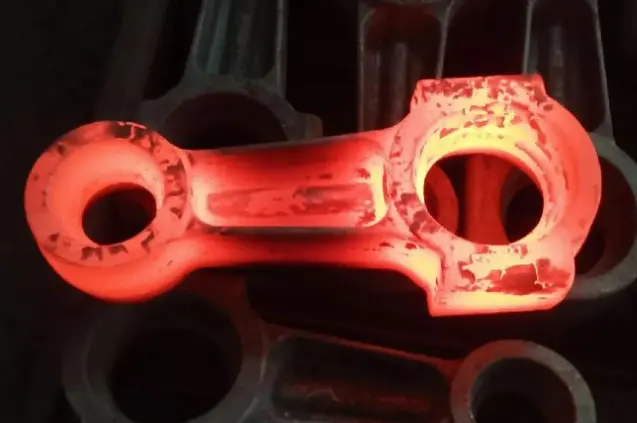
When metal is hot, it's easier to work with. When you forge metals while they are hot, you heat them past the point where they re-crystallize. They are easy to bend and shape because of this. There are more ways to bend the material without breaking now that this has been added. That is, hot forging can make complicated shapes and forms that would be hard or impossible to make with cold forging alone. You can start with things that aren't very flexible but can be made better. This lets you make more possible combos. It takes less force to forge something hot, which can save money on tools and power.
Reduced internal stresses
Another big benefit of hot forging is that it lowers the stresses inside the parts that are being formed. The high temperatures during hot forging make the metal's grain structure recrystallize, which gets rid of any internal pressures that were there before. The recrystallization method makes the grain structure of the forged part more uniform, which can improve its overall mechanical properties. Lowering internal stresses is especially helpful for parts that will be used for a long time and be subject to high loads or cycle stresses. Cold forging, on the other hand, can leave behind stresses that may need more heat treatment steps to get rid of, which adds time and cost to the manufacturing process.
Ability to forge larger parts
Hot forging is better than cold forging when you need to make big, heavy parts. Metal can be shaped more easily when it is melted. This helps it flow and shape better, so you can make strong parts with complicated forms. This skill is very useful in areas like aerospace, automotive, and heavy machinery that need to make lots of big, strong parts. The only thing that can be cold forged are small parts because it takes more force to bend metal that is at room temperature. But pieces that weigh several tons can be forged in a hot iron. If you can forge bigger parts all at once, you won't have to put together as many smaller ones. This can save you a lot of money and make the result more reliable.
How does the temperature affect the hot forging process?
Influence on material properties
When you hot forge, the temperature is very important because it makes a big difference in how the metal works. It loses some of its yield strength and gains more flexibility when you heat metal above the point at which it recrystallizes. It is now easier to shape and bend the metal when it is being made after this change. As the temperature goes up, the metal's make-up changes, which helps with dynamic recrystallization and grain cleaning. The end product may be harder, tougher, and less likely to wear out over time if these changes are made to the microstructure. But keep in mind that the exact temperature range that is used in hot forging needs to be closely watched so that bad things don't happen, like too much grain growth or rust, which could hurt the quality of the final product.
Effect on forging force and energy requirements
At what temperature does hot forging happen? The amount of forging force and energy needed depends on the temperature. The flow stress in metal goes down when it gets hot. This means the metal can be bent with less force. It's possible for this drop in force to improve the hot forging process in more than one way. It first makes it possible to use forging tools that are smaller and less strong, which could help companies save money on capital costs. Second, because dies and tools don't wear out as quickly, smaller forging forces can make them last longer and cost less to keep. To make the process more energy efficient, hot forging at higher temperatures can help because it uses less energy. But this must be weighed against the energy needed to heat the metal in the first place.
Impact on surface finish and dimensional accuracy
The temperature also changes the surface finish and the accuracy of the dimensions of the parts that are hot forged. Better surface finishes usually come from forging at higher temperatures. This is because higher temperatures make the metal more flexible, which makes it easier for it to run into die holes and fit into small surface details. If the temperature is very high, however, the surface of the piece can become more corroded, and scales may form. This could mean that more work needs to be done after the forging is complete to achieve the desired surface quality. As the part cools, it shrinks due to thermal contraction. This means that parts made by hot forging generally have wider size limits than parts made by cold forging. Before the part is forged, its size must be checked against the required size. This shrinkage due to cooling must be taken into account when the die and process settings are designed.
What are the key differences in equipment used for hot forging versus cold forging?
Furnace and heating systems
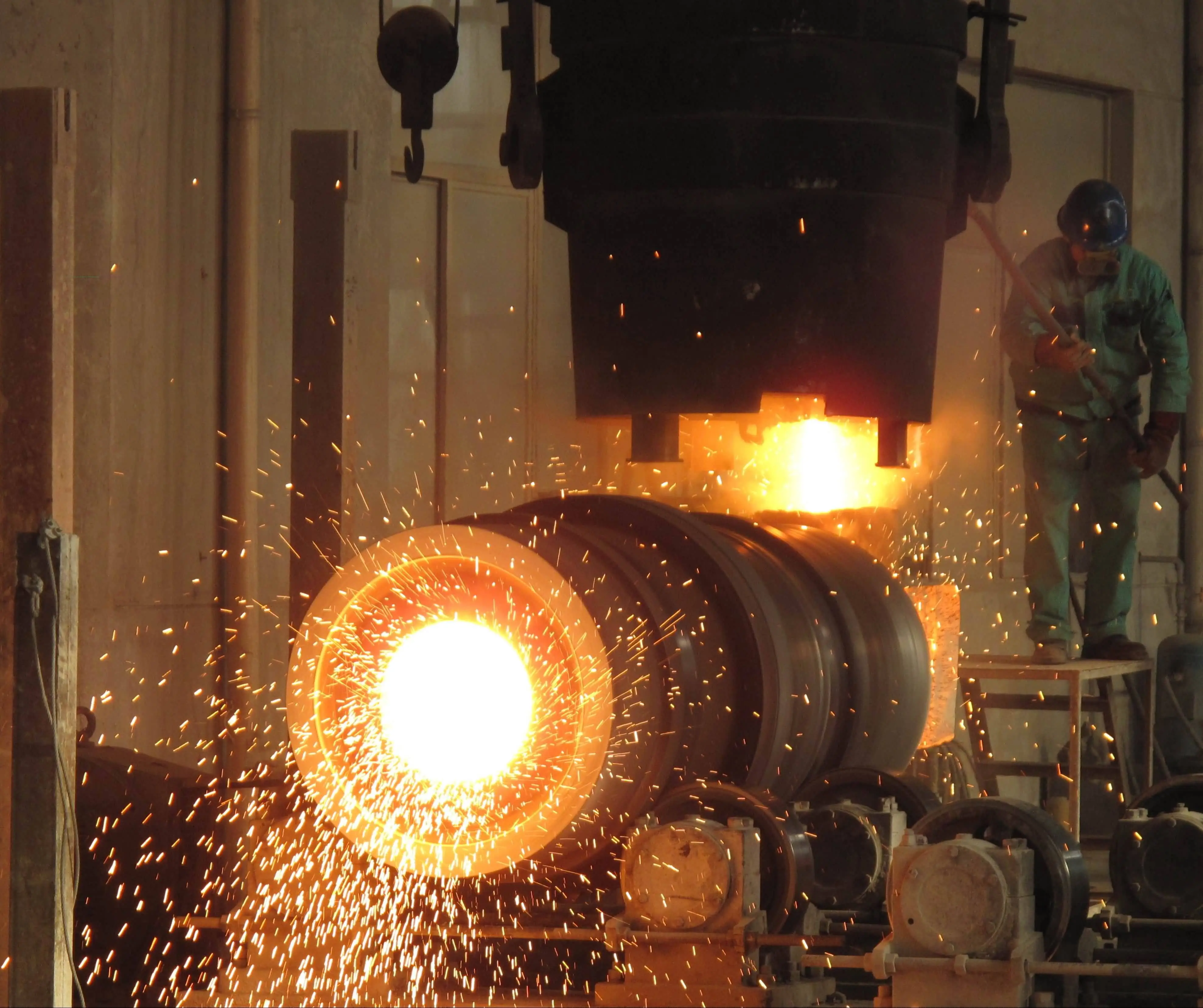
One big difference between hot forging and cold forging is that hot forging needs burners and other appliances that heat the metal. For hot forging, you need tools that are heated just right to get the metal hot enough to form. This often happens with induction heating systems or gas-fired stoves that can hit temperatures well above the point at which the material re-crystallizes. It's important to keep an eye on these heating systems so that the item stays at the right temperature and gets heated properly during the whole forging process. If you want to do cold forging, you don't need these kinds of heating tools because you can do it at room temperature or a little warmer. In cold forging, there are no heating systems, which can mean less energy use and easier setup of all the equipment.
Die materials and design
Dies for hot forging are made of different materials and have different shapes because the method is different. When you forge something hot, the die has to be able to handle both high temperatures and changes in temperature. In other words, they need to be made of materials that don't melt quickly when it gets hot. For hot forging dies, a lot of different types of tool steel are used. These steels stay strong and hard even when they're very hot. You should think about how the hot metal will wear down the die and how it will grow and shrink as it cools while you're making it. Hot-rolled tool steel or tungsten carbide, on the other hand, are often used to make die sets for cold forging because they are very strong and don't break down easily. When you use this method, you can make die sets with more difficult shapes and better fit together pieces.
Lubrication systems
The ways that hot and cold forging are oiled are also different because the conditions of the processes are different. Most lubricants don't work well at high temperatures like those needed for hot forging. This is because many organic substances separate or evaporate at these temperatures. In hot forging, special high-temperature lubricants are often used. These are usually graphite- or glass-based compounds that can handle the harsh conditions and keep the die and the item from sticking. To make sure they cover evenly, these lubricants are usually put on using spray systems or other automated methods. Mineral oils, synthetic oils, and water-based emulsions are just some of the lubricants that can be used for cold forging. For cold forging, the lubrication systems are usually simpler. They can use dip coating, spraying, or automated ways to apply the oil. It is very important to use the right lube in both processes to cut down on friction, stop die wear, and make sure that the material flows smoothly during forging.
Conclusion
Lastly, the choice between hot forging and cold forging relies on many things, such as the properties of the material, the shape of the part, the number of parts that need to be made, and the qualities that the final product should have. There is less air inside the metal when it is hot, which makes it easier to shape. You can also make bigger parts. But you need tools that can work in hot places and oils that can do well there. However, cold forging can't shape all shapes and materials. However, it can make measurements more accurate and give the outside a cleaner finish. To pick the best forging method for their needs, manufacturers need to know these differences. They should think about things like cost, quality, and production speed.
FAQ
Q: What is the main difference between hot forging and cold forging?
A: Hot forging is performed above the material's recrystallization temperature, while cold forging is done at room temperature or slightly elevated temperatures.
Q: Which forging method is better for complex shapes?
A: Hot forging is generally better for complex shapes due to the increased malleability of the heated metal.
Q: Does hot forging or cold forging provide better dimensional accuracy?
A: Cold forging typically provides better dimensional accuracy due to minimal thermal contraction after forging.
Q: What types of materials are suitable for hot forging?
A: Hot forging is suitable for a wide range of materials, including those with lower initial ductility, such as various steels and alloys.
Q: How does temperature affect the forging force required in hot forging?
A: Higher temperatures in hot forging reduce the required forging force due to decreased flow stress of the material.
Q: What are the key equipment differences between hot and cold forging?
A: Hot forging requires furnaces and heating systems, specialized high-temperature dies, and high-temperature lubricants, while cold forging uses room temperature equipment and conventional lubricants.
Elevate Your Production with a Trusted Metal Manufacturing Partner
Shaanxi Welong Int'l Supply Chain Mgt Co.,Ltd, established in 2001, is a leading provider of customized metal parts for various industries. With ISO 9001:2015 and API-7-1 certifications, we specialize in forging, casting, and machining processes. Our extensive capabilities include sand casting, investment casting, centrifugal casting, die casting, and both closed-die and open-die forging. We work with a wide range of materials, including iron, steel, stainless steel, aluminum, copper, and various alloys. Our experienced team offers comprehensive support from design to delivery, ensuring cost-effective solutions and superior quality control. With a global presence and a commitment to innovation, we strive to be a leader in international supply chain management and Chinese intelligent manufacturing. Contact us at info@welongpost.com to discover how we can help your business succeed.
References
1. Smith, J.H. (2018). Principles of Metal Forging: Hot and Cold Techniques. Metallurgical Engineering Press.
2. Johnson, R.T. & Williams, E.L. (2019). Comparative Analysis of Hot and Cold Forging Processes. Journal of Advanced Manufacturing Technology, 42(3), 215-230.
3. Brown, A.C. (2020). Temperature Effects on Material Properties in Metal Forging. Materials Science and Engineering, 55(2), 180-195.
4. Davis, M.K. & Thompson, P.R. (2017). Equipment Considerations for Hot and Cold Forging Operations. International Journal of Metalforming, 28(4), 320-335.
5. Lee, S.Y. (2021). Advances in Lubrication Systems for Hot and Cold Forging Processes. Tribology International, 63, 145-160.
6. Anderson, L.M. & Roberts, C.J. (2019). Microstructural Evolution in Hot and Cold Forged Components. Acta Materialia, 87, 78-93.

Share your inquiry, get the quotation accordingly!
China WELONG- Your Reliable Partner in Metal Solutions