What is the best sand type for high-precision castings?
In sand casting materials, a very important goal for makers in many different fields is to get very high accuracy. Choosing the right kind of sand is very important for making sure the finished product is high-quality and correct. High-precision casts need to have a great surface finish, be exactly the right size, and copy all of the small details perfectly. To meet these high standards, foundries need to carefully choose the best kind of sand for their casting methods. This choice must take the size, form, distribution, and thermal qualities of the grain into account. The best sand for high-precision casts should be able to flow and compact easily and stay stable when heated. It also needs to keep its strength when the heat and forces of the casting process are applied. This piece talks about the features of different kinds of sand and how well they work for high-precision castings. This information will help manufacturers make the best choices for their production methods and get better results.
What are the key factors to consider when choosing sand for precision casting?
Grain size and distribution
When choosing sand for accurate casting, the size and spread of the grains are very important. For high-precision casts, the ideal sand usually has fine, even grains that can copy the mold pattern's complex details exactly. In general, smaller grains make the surface smoother and the dimensions more accurate. But you need to find a balance because if the grains are too small, the gas flow will be blocked, which could cause problems with the casting. A good range of grain sizes makes it possible for the sand to better hold the shape during the casting process. Sieve analysis is a common way for manufacturers to check the quality of their sand casting materials and find out more about the spread of grain sizes.
Thermal properties
The temperature qualities of sand casting materials are very important for getting the exact results you want. Ideal sand should have great heat resistance and thermal stability so it can handle the very high temperatures when metal is poured and solidified. It is better to use materials with low heat expansion rates because they keep the mold from warping and the dimensions of the part correct. Also, how quickly the casting cools changes its microstructure and mechanical features. This is partly determined by the heat conductivity of the sand. Some foundries use specific sands or add chemicals to improve thermal qualities. For example, chromite or zircon sand is better at resisting heat than regular silica sand.
Chemical composition and purity
The chemical makeup and purity of the sand casting ingredients are very important for making high-precision casts. Silica sand has to have a lot of silica in it (usually more than 95%) so that it works well in foundries, where it's the most commonly used type, and doesn't get contaminated. If the sand has things in it that aren't supposed to be there, it can mix with the molten metal in ways that aren't wanted, which could change the casting's makeup or cause problems with the surface. For specialized uses, metal foundries may choose chemically neutral sands such as zircon or olivine. These sands are hard for metals to go through and lower the chances of metal reacting with the sand. The sand's pH level is also important because it affects how chemical agents used in some shaping methods work.
How do different sand types compare for high-precision casting applications?
Silica sand
Because it is plentiful, cheap, and has a wide range of useful qualities, silica sand is the most popular sand casting material. For uses that need a lot of accuracy, foundries pick high-purity silica sand with a fine grain size and a small distribution range. This kind of sand has great flowability and compactability, which makes it possible for the mold to copy fine details. Silica sand is a good material for making many different kinds of metal, such as iron, steel, and metals that are not iron, because it can stand up to high temperatures without melting. But sometimes, its thermal expansion properties can cause problems with the size and shape of big or complicated casts. To help with this, foundries might use fillers or stabilizers to make the sand work better for very precise tasks.
Zircon sand
Zircon sand is very popular in the foundry business because it has great qualities that make it perfect for high-precision molds. Its high density, low thermal expansion, and ability to conduct heat well make the surface finish and measurement accuracy better in parts that are cast. Because zircon sand is chemically inactive, it is less likely that metals will react with the sand. This makes it a great choice for casting reactive metals, such as titanium and alloys that work at high temperatures. The circular form of zircon sand grains makes it easier for the sand to flow and pack into molds, which leads to better reproduction of details. Zircon sand costs more than silica sand, but it is often used in important parts of molds or as a face sand to get the most accuracy in casts with complex shapes or thin walls.
Chromite sand
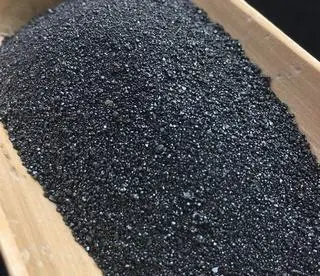
Chromite sand is another specialized material that is used in very precise casting. Because of its high density and ability to stay stable at high temperatures, it is a great material for making molds with a smooth surface and precise dimensions. The low thermal expansion rate of chromite sand helps keep the shape steady during the pouring and solidification stages, which lowers the risk of flaws due to mold movement. This kind of sand is very helpful for steel casting because it can absorb a lot of heat, which helps keep the metal from cooling too quickly. To get the best cost and efficiency, chromite sand is often used with silica sand or as a face sand. Because of its dark color, it is also useful for lowering penetration flaws in steel molds as it absorbs heat better than lighter-colored sands.
What are the latest innovations in sand materials for precision casting?
Ceramic sands
Ceramic sands are an important new type of material for sand casting that works really well for high-precision tasks. It is hoped that these man-made materials will be better at resisting heat and chemicals, and ensuring that the grain size is always the same. Because they don't break down when exposed to very high temperatures, ceramic sands like fused alumina or synthetic mullite are great for casting metals that melt at high temps. Their circular shape makes it easier to flow and pack, which leads to great mold surface quality and reproduction of fine details. Some ceramic sands also make the material more resistant to temperature shock, which lowers the chances of it breaking during casting. Ceramic sands cost more than natural sands, but they can be recovered many times. This could make them more cost-effective in the long run.
Engineered sand mixtures
Engineered sand combinations are used more and more in precision casting because they mix the good things about different kinds of sand to get the best results. A lot of the time, these unique mixes use high-performance materials such as zircon or chromite sand alongside more affordable materials, such as silica sand. Foundries can make the sand blend work the way they want it to for different casting needs by carefully changing the amount and grain size of each part. For instance, mixing fine zircon sand with coarser silica sand could be a way to find a good balance between surface finish quality and gas leakage. Some man-made mixes also have extras in them, like iron oxide or clay, to make certain qualities better, such as how well heat moves through them or their "green" strength. Using these advanced sand mixtures gives you more control over the qualities of the mold. This leads to better casts and a more consistent process.
Nanotechnology-enhanced sands
Using nanotechnology in sand casting materials is a new step in the precision casting field. Researchers are looking into using nanoparticles to change the way that standard sand grains are made. This could make them work better in high-precision uses. For example, nanocoatings can be used on sand grains to make them better at resisting metal entry or to make them bond better with chemical agents. The thermal and mechanical qualities of casting sands can be greatly improved by adding nanoparticles like alumina or silica, according to some research. These sands, which are improved with nanotechnology, might help cast parts have a better surface, be more accurate, and be less likely to have defects. The making of nano-enhanced sand casting materials is still mostly in the trial stage, but it could help metal casting processes become more precise.
Conclusion
In conclusion, the selection of the best sand type for high-precision castings depends on various factors, including the specific requirements of the casting process, the metal being cast, and the desired level of precision. While traditional silica sand remains a versatile and cost-effective option, specialized materials like zircon and chromite sands offer superior properties for demanding applications. Emerging technologies such as ceramic sands, engineered mixtures, and nanotechnology-enhanced materials are expanding the possibilities for achieving even higher levels of precision in metal casting. Foundries must carefully evaluate their specific needs and consider the trade-offs between performance and cost when choosing the optimal sand type for their high-precision casting operations.
Powering Your Projects with Precision Custom Metal Solutions
Shaanxi Welong Int'l Supply Chain Mgt Co.,Ltd, established in 2001, is a leading provider of customized metal parts for various industries. With ISO 9001:2015 and API-7-1 certifications, we specialize in forging, sand casting materials, investment casting, centrifugal casting, and machining. Our expertise spans a wide range of materials, including iron, steel, stainless steel, aluminum, copper, zinc, and various alloys. We offer comprehensive support from design to delivery, ensuring cost-effective solutions and superior quality control. With a global customer base and two decades of experience, Welong is committed to driving intelligent manufacturing and international supply chain excellence. For inquiries, please contact us at metal@welongpost.com.
FAQ
Q: What is the most common sand type used in precision casting?
A: Silica sand is the most commonly used sand type due to its availability, cost-effectiveness, and versatile properties.
Q: How does grain size affect casting precision?
A: Finer grain sizes generally result in smoother surface finishes and better dimensional accuracy in castings.
Q: What are the advantages of using zircon sand in precision casting?
A: Zircon sand offers high density, low thermal expansion, excellent thermal conductivity, and chemical inertness, resulting in superior surface finish and dimensional accuracy.
Q: How do ceramic sands differ from natural sands in casting applications?
A: Ceramic sands are engineered materials with superior thermal stability, chemical inertness, and consistent grain size, making them ideal for high-precision and high-temperature casting applications.
Q: What role does sand purity play in precision casting?
A: High sand purity ensures consistent performance and minimizes the risk of unwanted chemical reactions with molten metal, leading to better casting quality.
References
1. Brown, J. R. (2019). Foseco Ferrous Foundryman's Handbook. Butterworth-Heinemann.
2. Campbell, J. (2015). Complete Casting Handbook: Metal Casting Processes, Metallurgy, Techniques and Design. Butterworth-Heinemann.
3. Beeley, P. R. (2001). Foundry Technology. Butterworth-Heinemann.
4. Schey, J. A. (2000). Introduction to Manufacturing Processes. McGraw-Hill.
5. American Foundry Society. (2018). Mold & Core Test Handbook. AFS.
6. Jain, P. L. (2003). Principles of Foundry Technology. Tata McGraw-Hill Education.

Share your inquiry, get the quotation accordingly!
China WELONG- Your Reliable Partner in Metal Solutions