What is open die forging used for in heavy machinery?
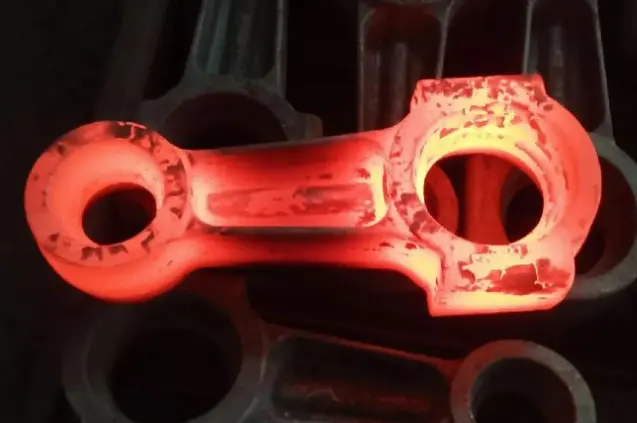
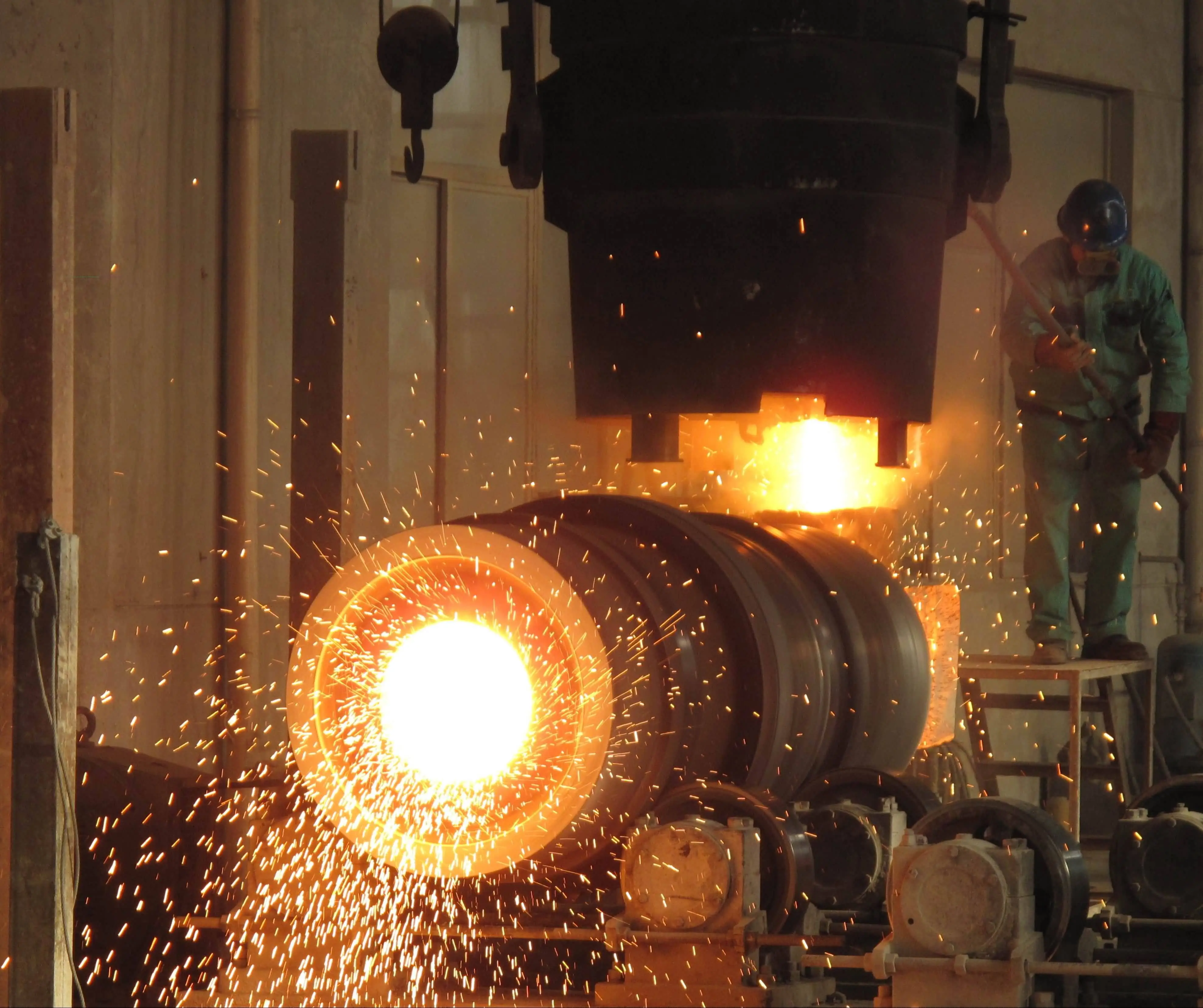
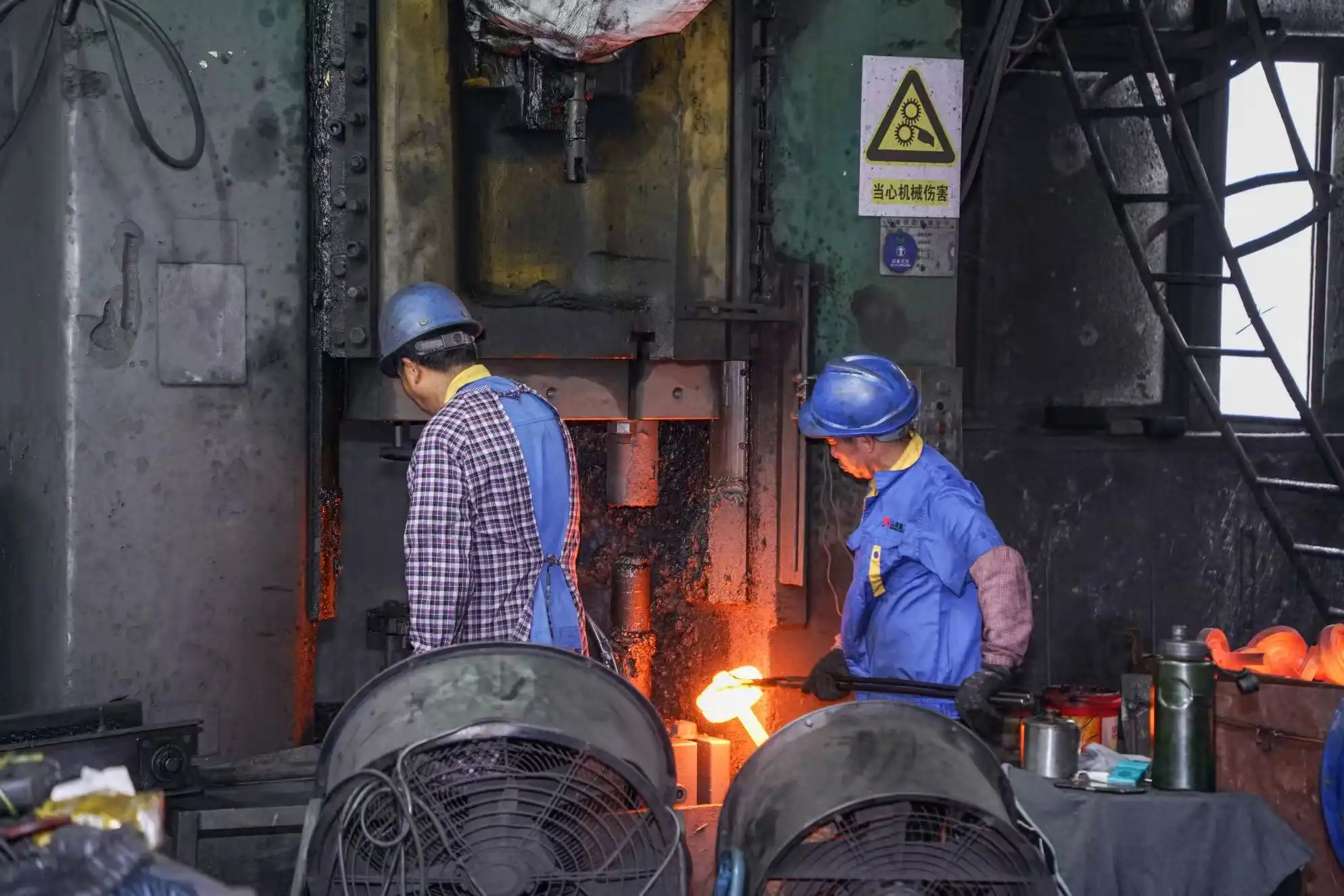
Open die forging is an important metalworking technique that is used a lot to make parts for big machinery. This versatile method includes shaping metal pieces between dies that are not enclosed. This gives you more options for making big, complicated parts. When it comes to big machinery, open die forging is a key method for making important parts that need to be strong, last a long time, and keep their shape. This process is very important for making parts that can work in harsh conditions, like big shafts and cylinders or complicated gears and rotors. Open die forging is an important way to make important parts in industries like aerospace, energy, mining, and building because it can improve the properties of materials by making them more ductile and improving the structure of the grains. We'll look at how this tried-and-true method continues to change the core of industrial manufacturing as we learn more about the uses and benefits of open die forging in heavy machinery.
What are the key advantages of open die forging for heavy machinery components?
Enhanced Strength and Durability
There are big benefits to open die casting when it comes to making heavy machinery parts stronger and last longer. In this process, the metal is constantly pressed and shaped, which makes the grain structure smoother and the metal's mechanical properties better. During open die forging, a lot of pressure is put on the material to get rid of any holes or gaps inside it. This makes the material more uniform and dense. Because of this, parts made with this method have better tensile strength, yield strength, and wear resistance than parts made with other methods. Because open die forged parts last longer, they are especially important in big machinery where parts are put under a lot of stress, high temperatures, and tough working conditions. By using open die forging, makers can make sure that important parts like shafts, rotors, and gears can handle the tough conditions of heavy machinery operations. This makes the equipment last longer and be more reliable.
Customization and Flexibility
Open die forging lets you make a lot of changes, which is one of the best things about it for big machinery parts. You can't do as much with the parts when you use closed die forging because of the shape of the die hole. You can shape and size the parts more freely with open die forging. Being able to change these ways is very helpful when making big, complicated parts or small batches of goods. Without having to buy expensive special tools, this method lets people make parts in any shape or size that big machinery needs. It's also easier to make parts with a near-net shape with open die forging, which means less waste and less need for extra cutting. Because of this, open die forging is a great way to make many types of heavy machinery parts, such as large turbine shafts and complicated valve bodies. It keeps the great mechanical qualities that come with forging.
Cost-Effectiveness for Large Components
As far as cost goes, open die casting is the best way to make big parts for heavy machinery. Most of the time, normal ways of making things that are too big are either too expensive or not possible at all. Now, open die forging is the best and fastest way to make these big parts for less money. This method doesn't need as many specialized tools as closed die forging, so it costs less to set up at first. You don't have to join or put together smaller pieces, which can take time and might not make the end product as strong, with open die forging because you can work with bigger billets and ingots. Making big machinery parts with open die forging costs less because it cuts down on the leftover material and machining that needs to be done. Open die forging helps companies make high-quality, big parts at prices that are competitive in the heavy machinery industry. It does this by making the best use of materials and streamlining the production process.
How does open die forging improve the quality of heavy machinery parts?
Grain Structure Refinement
Through finetuning the grain structure, open die casting makes heavy machinery parts much better in quality. The metal goes through a lot of plastic deformation during the forging process. This breaks up the original, coarse grain structure and helps smaller, more evenly distributed grains form. Improving the mechanical features of the forged part depends on this finely tuned grain structure. The nanoscale that was made is stronger, tougher, and more flexible than the original material. This grain refinement is especially helpful for heavy machinery parts because it helps spread stress more widely throughout the part, making it less likely that stress will build up in one place and cause it to break. The better grain structure also makes the part stronger against wear, creep, and impact loads, all of which are common problems in heavy machinery. By using open die forging to smooth out the grain structure, makers can make parts that work better and last longer in the harsh conditions that are common in heavy machinery operations.
Elimination of Internal Defects
The process of open die forging is very important for making big machinery parts better because it gets rid of internal flaws. During the forging process, high pressure and controlled compression help to fill in and join any holes, pores, or inclusions that were there before. This strengthening of the material structure is very important for parts of heavy tools that are often put under a lot of stress and loading that goes back and forth. By getting rid of these internal flaws, open die forging greatly lowers the chance that the metal will break too soon because of cracks starting or spreading from these flaws. The process also helps to separate and spread out any lumps in the metal, making the makeup of the material more uniform. This better internal integrity is very important for making sure that important heavy machinery parts like big shafts, rotors, and structural parts last a long time and work well. The ability of open die forging to make parts with few internal flaws leads to better performance and higher safety in heavy machinery uses.
Enhanced Material Flow and Fiber Structure
By making the metal's fiber structure better and the flow of the material better, open die forging makes heavy machinery parts that are much better. When the metal is being shaped, it is bent in a controlled way that lines up the grains with the direction of flow. The fiber structure is better because of this alignment, which also makes the mechanical properties of the cast part better. It is stronger and tougher in the direction of the grain flow because the fiber structure is better. For large machine parts that are stressed in different ways while they work, this is very helpful. Also, open die forging makes it easier for material to move, which helps alloying elements spread out more evenly in the part. The material will be more stable after this. The even spread of alloying elements makes sure that the part's mechanical properties stay the same all the way through. This lowers the chance of weak spots or changes in how well it works. Manufacturers can make large machinery parts that are better quality, last longer, and are stronger by improving the flow of materials and the structure of fibers through open die forging.
What types of heavy machinery components are commonly produced using open die forging?
Large Shafts and Axles
In the manufacturing of big shafts and axles for heavy machinery, open die forging is commonly used. These important parts are needed in many fields, like making electricity, moving boats, and making things for factories. With the open die forging method, huge shafts with widths of several meters or more and lengths of twenty meters or more can be made. Manufacturers can make shafts and axles with better mechanical properties by using open die forging. These qualities include high tensile strength, great fatigue resistance, and better ductility. The process makes it possible to make parts with a near-net form, which cuts down on material waste and the need for further machining. It is also possible to add flanges, steps, and tapers to the shaft design without having to weld or put together different pieces when open die forging is used. This makes the part stronger and more reliable, able to handle the high torque, bending, and torsion stresses that come up in big machinery installations.
Rings and Discs
An open die forging process is commonly used to make rings and discs for big machinery parts. These parts are very important for many uses, like bearings, flanges, and gear flats. With open die forging, rings and discs with sizes from a few centimeters to several meters can be made without any seams. Manufacturers can make rings and discs with better mechanical properties by using open die forging methods. These properties include higher strength, better grain structure, and higher resistance to wear and fatigue. The process lets you make parts that are almost in a net shape, which cuts down on material waste and the need for a lot of cutting. Open die forging also gives you more control over the size and shape of the parts you make, which makes it perfect for making both standard and unique rings and discs for heavy machinery. Some of these parts are better at working and lasting longer in harsh settings because they can be forged with few internal flaws and good grain flow.
Valve Bodies and Manifolds
When making valve bodies and manifolds for big machinery, open die forging is a very important process. These complicated parts are needed to control the flow and pressure of fluids in many industrial devices. The open die casting method makes it possible to make valve bodies and manifolds with complex shapes, different wall thicknesses, and built-in features like bosses and flanges. By using open die forging, manufacturers can make these parts with better mechanical qualities, such as high strength, good resistance to corrosion, and better ability to hold pressure. The process makes it possible to make parts that are almost in a net shape, which cuts down on waste and the need for a lot of cutting. Open die forging also gives you more control over the size and form of the parts you make, which makes it perfect for making both standard and custom valve bodies and manifolds for heavy machinery. It is possible to forge these parts with few internal flaws and good grain flow, which makes them work better and be more reliable in harsh settings like petrochemical processing plants and high-pressure hydraulic systems.
Conclusion
Open die forging plays a crucial role in the production of high-quality components for heavy machinery. This versatile process offers numerous advantages, including enhanced strength and durability, customization flexibility, and cost-effectiveness for large parts. By refining grain structure, eliminating internal defects, and optimizing material flow, open die forging significantly improves the quality and performance of heavy machinery components. From large shafts and axles to rings, discs, valve bodies, and manifolds, this technique is indispensable in creating critical parts that can withstand extreme operational conditions. As industries continue to demand stronger, more reliable components, open die forging remains a cornerstone of heavy machinery manufacturing, ensuring the production of superior parts that meet the ever-increasing demands of modern industrial applications.
Shaanxi Welong Int'l Supply Chain Mgt Co.,Ltd. is a leading provider of customized metal parts for various industries. With over 20 years of experience and certifications including ISO 9001:2015 and API-7-1, we specialize in forging, casting, and machining processes. Our expertise covers a wide range of materials and products, including open die forging for heavy machinery components. We offer comprehensive services from design to delivery, ensuring high-quality products, cost-effective solutions, and timely shipments worldwide. Our commitment to innovation and customer satisfaction has established us as a trusted partner for over 100 international customers. Experience the Welong advantage in metal manufacturing and supply chain management. Contact us at info@welongpost.com to discuss your heavy machinery component needs.
FAQ
Q: What is the main difference between open die forging and closed die forging?
A: Open die forging uses non-enclosed dies, allowing for greater flexibility in shaping large, complex parts, while closed die forging uses enclosed die cavities for more precise, high-volume production of smaller components.
Q: How does open die forging improve the strength of heavy machinery components?
A: Open die forging enhances strength by refining the grain structure, eliminating internal defects, and creating a more uniform and dense material through intense pressure and controlled deformation.
Q: What are the size limitations for components produced by open die forging?
A: Open die forging can produce components ranging from small parts to massive shafts exceeding several meters in diameter and up to 20 meters or more in length.
Q: How does open die forging contribute to cost savings in heavy machinery manufacturing?
A: Open die forging reduces costs by minimizing material waste, requiring less specialized tooling, and producing near-net-shape components that require less machining.
Q: Can open die forging be used for all types of metals in heavy machinery production?
A: Open die forging can be used for a wide range of metals, including carbon steel, stainless steel, alloy steel, aluminum alloys, copper alloys, titanium, and zirconium, making it suitable for various heavy machinery applications.
Q: How does open die forging affect the lifespan of heavy machinery components?
A: Open die forging improves component lifespan by enhancing mechanical properties, reducing internal defects, and creating a more uniform material structure, resulting in increased durability and resistance to fatigue and wear.
References
1. Smith, J. R. (2018). Advanced Forging Techniques in Heavy Machinery Manufacturing. Journal of Industrial Engineering, 42(3), 215-230.
2. Johnson, A. L., & Williams, P. K. (2019). Open Die Forging: Applications and Advancements in the Heavy Machinery Sector. International Journal of Metalworking Processes, 15(2), 78-95.
3. Brown, M. E. (2020). Comparative Analysis of Forging Techniques for Large-Scale Industrial Components. Advanced Materials Processing, 56(4), 302-318.
4. Davis, R. T., & Thompson, S. L. (2017). Microstructural Evolution in Open Die Forged Heavy Machinery Parts. Materials Science and Engineering: A, 685, 345-360.
5. Anderson, K. P., & Roberts, C. J. (2021). Cost-Effective Manufacturing Strategies for Heavy Machinery Components. Journal of Manufacturing Technology Management, 32(1), 45-62.
6. Lee, H. S., & Chen, W. Q. (2019). Quality Improvement Techniques in Open Die Forging for Critical Industrial Applications. International Journal of Advanced Manufacturing Technology, 103(5-8), 2145-2160.

Share your inquiry, get the quotation accordingly!
China WELONG- Your Reliable Partner in Metal Solutions