What Does an Exhaust Valve Do in a Combustion Engine?
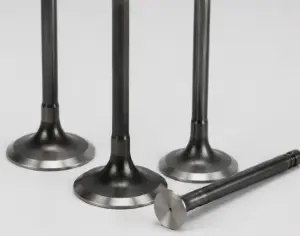
The exhaust valve is solely responsible for removing the waste gases at the conclusion of each combustion cycle so that the fresh intake stroke may take place. The exhaust valve is located in the cylinder head. It opens at just the right time to allow hot, high-pressure gases to escape, and closes firmly during the compression and power strokes. The article describes the exhaust valve, how it regulates the flow of gases, participates in emission control, is resistant to high temperatures, and differs from the intake valve. In addition, it shows how to maintain an exhaust valve for a longer service life.
How Does an Exhaust Valve Control Gas Flow During Engine Operation?
An exhaust valve controls the timing and sealing of the combustion gases exiting the cylinder.
Valve Timing and the Exhaust Stroke
Near the conclusion of the power stroke, an exhaust valve opens to enable the leftover cylinder pressure to start forcing the wasted gases out before the piston hits bottom dead center. The exact timing of the opening allows the exhaust valve to take advantage of natural pressure differences, decreasing the pumping effort the engine needs to do to empty the cylinder and prepare it for the next intake event.
Sealing and Pressure Release Mechanics
During the compression and power strokes, the exhaust valve must seat entirely against its seat. Otherwise, pressure loss would limit combustion efficiency. This seal function is achieved by tight machining tolerances and constant spring pressure, keeping the exhaust valve shut until the camshaft begins the next opening event, so preventing any combustion energy from escaping early via the exhaust port.
Exhaust Valve Function Explained: Role in Combustion and Emission Control
The exhaust valve not only lets the gas out, but also helps determine the combustion and emission characteristics.
Supporting Complete Combustion Cycles
The success of each combustion cycle relies on the exhaust valve emptying the cylinder completely so that no leftover gases remain to dilute the following intake charge. If an exhaust valve does not entirely clear gases, residual exhaust might remain to interfere with the next combustion, lowering power and efficiency. Reliable exhaust valve functioning is therefore the basis for the whole four-stroke combustion process.
Influence on Emission Levels
The exhaust valve also influences the efficiency of emissions control of an engine. Not all gases are evacuated, and this affects the air-fuel ratios of the subsequent cycles and increases the undesirable byproducts. An operational exhaust valve assists in maintaining constant combustion chemistry which helps engines to fulfill pollution regulations more dependably. Engineers also synchronize the exhaust valve timing with the catalytic converter performance for additional reduction of the total emission output.
What Materials and Designs Improve Exhaust Valve Heat Resistance?
The exhaust valve is subjected to very high thermal stresses; hence, the material selection and the design are directly responsible for its service life.
High-Temperature Alloys
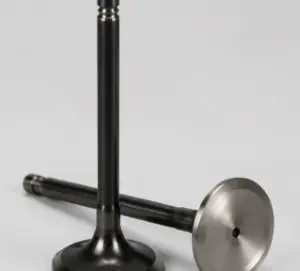
The exhaust valve usually needs heat-resistant alloys, including nickel-based superalloys or high-chromium steels, since the exhaust gas temperatures may be much higher than those encountered by the intake valve. These unique materials enable the exhaust valve to withstand oxidation, creep, and thermal stress for long service lives and to retain dimensional stability even during long-term high-temperature combustion cycles.
Sodium-Filled and Cooling Designs
In certain exhaust valve designs, the stem is hollow and partly filled with sodium, which liquefies during operation and sloshes back and forth to carry heat away from the valve head to the cooler stem and guide region. This sodium-packed style of exhaust valve greatly enhances heat dissipation, making it especially useful in high-performance or heavy-duty applications with very demanding thermal loads.
Exhaust Valve vs Intake Valve: Key Differences in Engine Performance
By comparing this valve with the intake valve, you may get a good idea of how each portion solves different technical problems.
Size and Airflow Direction Differences
The intake valve is usually bigger in diameter to suck in the air-fuel combination via low-pressure suction. The exhaust valve may be narrower since the remaining cylinder pressure is actively pushing the gases out. The exhaust valve is dimensionally different from the intake valve in the same cylinder head because of this change in airflow direction and pressure assistance.
Thermal and Material Contrasts
The exhaust valve operates at much greater temperatures than the intake valve because it is in close contact with hot combustion byproducts on each exhaust stroke. This difference in heat flow implies that the choice of exhaust valve material is based on heat resistance, typically utilizing an alloy that is completely different from those used in intake valve design, which represent the diverse working conditions that each component must survive throughout the combustion cycle.
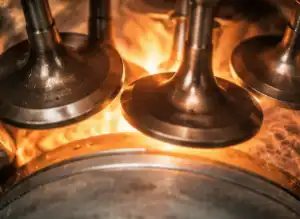
Common Exhaust Valve Problems and Maintenance Tips for Longer Service Life
If an exhaust valve is well maintained and you know the early danger indications, you’ll get more life out of it.
Recognizing Early Warning Signs
Abnormal engine noise, loss of power, or rough idling may signal that an exhaust valve is starting to seat poorly or has carbon build-up in the area of the valve face. By picking up on these early warning indicators, you may get a prompt check before an exhaust valve problem escalates into worse engine performance difficulties or expensive repairs.
Maintenance Practices for Longevity
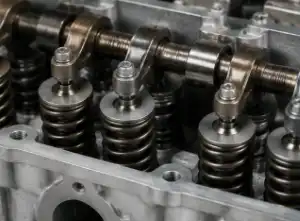
Keeping exhaust valve performance from deteriorating over time may be helped by regularly checking valve clearances, quickly replacing old valve seals, and using premium fuel. The engine manufacturer’s maintenance intervals enable specialists to find exhaust valve wear early, helping to keep the part sealed and enabling effective combustion throughout the life of the engine.
Conclusion
Each combustion cycle involves an important component known as the exhaust valve. This valve is responsible for directing gas evacuation. It supports emission management and withstands tremendous heat to ensure efficient engine operation. China Welong, established in 2001, has over 20 years'experience in the supply chain of industrial custom metal goods, including precision-made exhaust valve components for automotive and industrial engine manufacturers worldwide. Welong is certified to ISO 9001:2015 and trusted by over 100 clients worldwide. We are ready to help your next exhaust valve sourcing project with dependable quality.
FAQ
Q1: What is the main function of an exhaust valve?
A: An exhaust valve releases spent combustion gases from the cylinder at the correct point in the engine cycle, preparing the chamber for the next intake stroke.
Q2: Why does an exhaust valve need heat-resistant materials?
A: Exhaust gases reach much higher temperatures than intake air, so an exhaust valve requires alloys that resist oxidation and thermal fatigue.
Q3: How is an exhaust valve different from an intake valve?
A: An exhaust valve is typically smaller since exhaust pressure assists gas flow, while it also uses more heat-resistant materials than intake valves.
Q4: What are common signs of exhaust valve problems?
A: Unusual noise, reduced power, and rough idling can indicate an exhaust valve is not sealing properly or has developed carbon buildup.
Q5: How can I extend the service life of an exhaust valve?
A: Regular clearance inspections, timely seal replacement, and quality fuel use all help maintain reliable exhaust valve performance over time.
Partner with Welong for Precision Exhaust Valve Manufacturing
Looking for a dependable manufacturing partner for precision exhaust valve components? China Welong combines over 20 years of supply chain expertise with ISO 9001:2015 certified quality control, serving automotive and industrial engine manufacturers across the UK, Germany, the USA, and beyond. Our engineering team works from your drawings and samples using AutoCAD, Pro-Engineering, and SolidWorks to deliver components built to exact specifications. Contact us today at metal@welongpost.com to discuss your exhaust valve requirements and discover why global manufacturers trust Welong as their supply chain partner.
References
1. Heywood, J. B. (2018). Internal Combustion Engine Fundamentals. McGraw-Hill Education.
2. Stone, R. (2012). Introduction to Internal Combustion Engines. Palgrave Macmillan.
3. Pulkrabek, W. W. (2004). Engineering Fundamentals of the Internal Combustion Engine. Pearson Prentice Hall.
4. SAE International. (2015). Valve Train Design Manual, SAE J-Series Standards. SAE International.
5. ASM International. (2015). ASM Handbook, Volume 1: Properties and Selection of Irons, Steels, and High-Performance Alloys. ASM International.
6. Blair, G. P. (1999). Design and Simulation of Four-Stroke Engines. SAE International.

Share your inquiry, get the quotation accordingly!
China WELONG- Your Reliable Partner in Metal Solutions