What are the advantages of hot die forging for automotive parts?
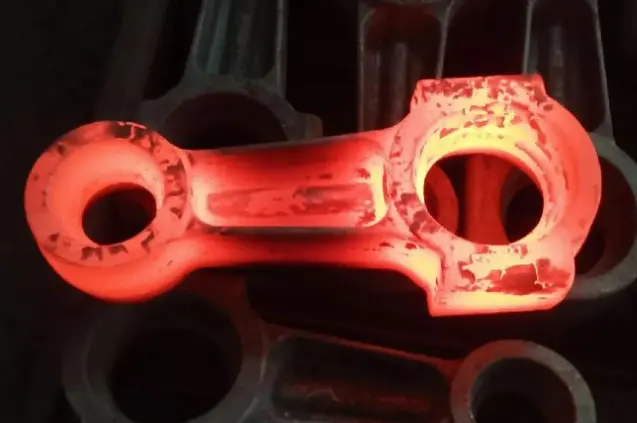
Hot die forging is an important part of the car industry's manufacturing process because it helps make high-quality, long-lasting parts. To use this advanced metalworking method, metal is heated to high temperatures and then shaped with special tools and dies. This method works especially well for making parts for cars that need to be very strong, reliable, and pinpoint accurate. Manufacturers can make parts with better mechanical qualities, better grain structure, and more accurate measurements by using hot die forging. A lot of important parts, like crankshafts, connecting rods, steering knuckles, and gears, are made this way. The auto industry is always changing, and people want their cars to be lighter, stronger, and more fuel-efficient. Hot die forging is still an important way to make parts that meet these strict needs. This blog post will talk about the many benefits of hot die forging for car parts and why it is still the most popular way to make things in the field.
What are the key benefits of hot die forging for automotive component strength?
Enhanced mechanical properties
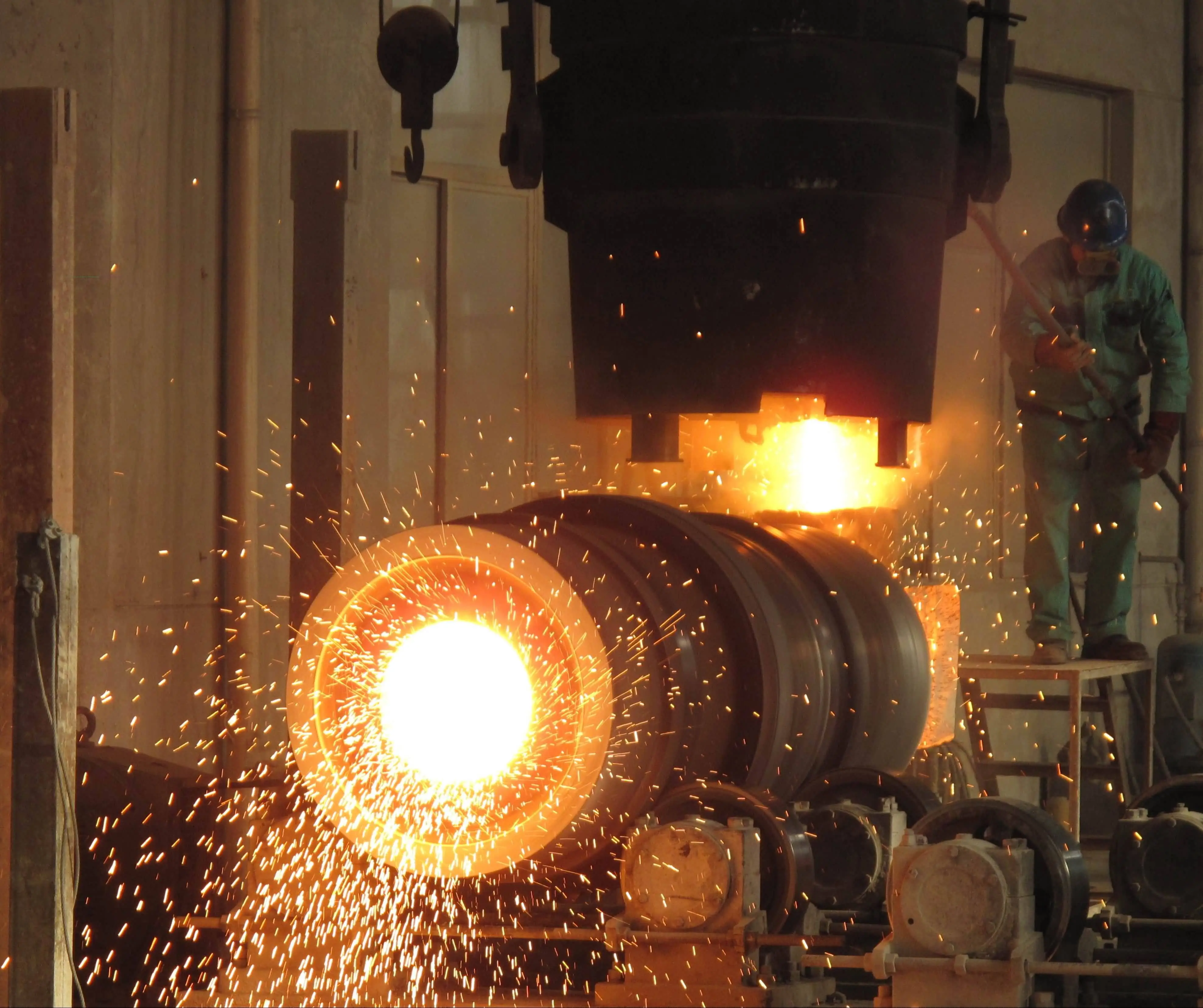
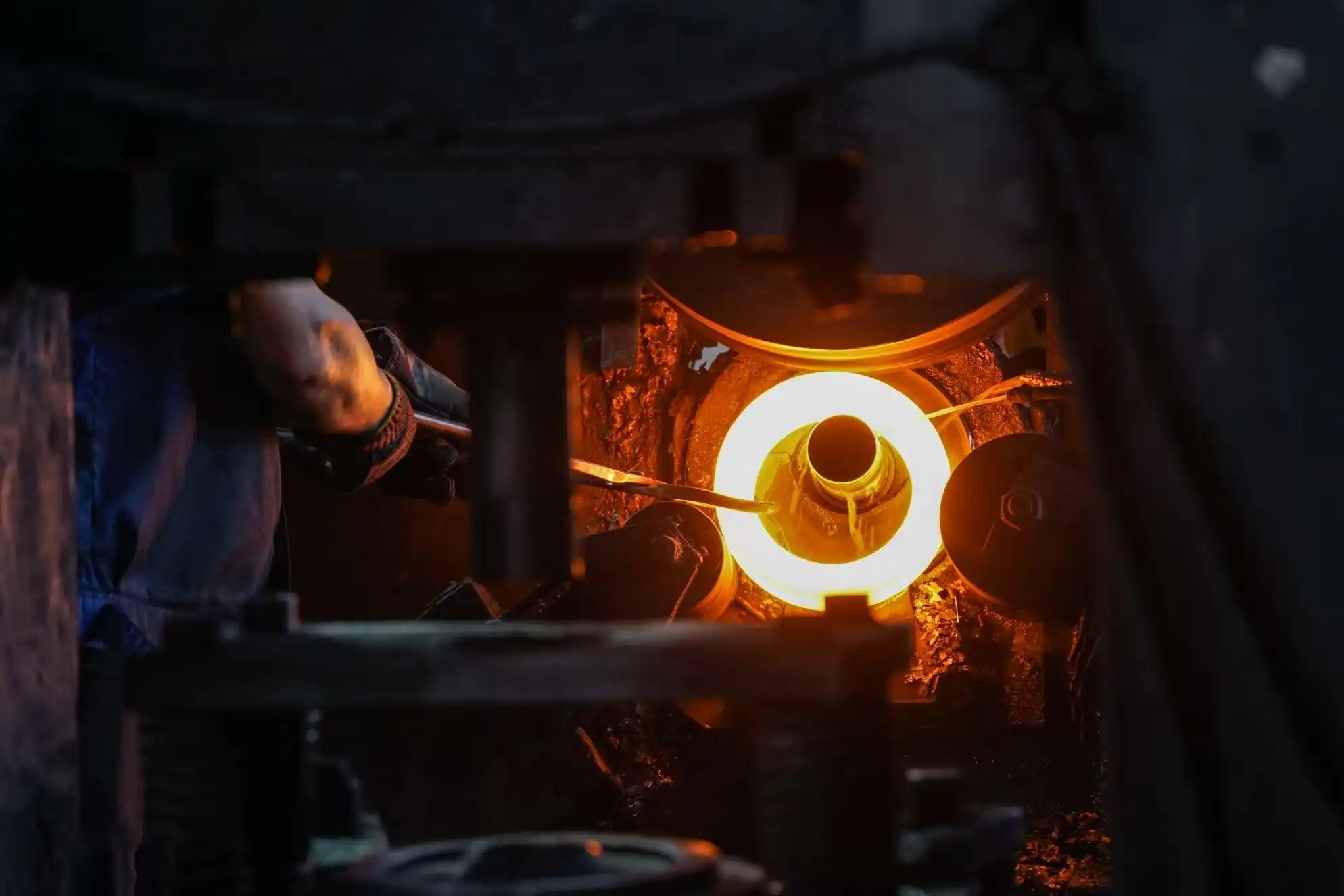
Hot die casting makes a big difference in how well car parts work mechanically. For this to work, the metal needs to be heated above its recrystallization point, which for most materials is between 900°C and 1250°C. When the material is compressed at high temperatures, the grains become more even. This makes it harder, tougher, and less likely to wear down over time. When hot die forging, a lot of pressure is put on the part, which also helps get rid of holes and gaps inside it. This makes the part stronger still. This is why parts for cars that are made by hot die forging are stronger in terms of tensile strength, yield strength, and hit resistance than parts that are not made this way. Important parts that get a lot of stress and strain while the car is going need this extra strength. People will be safer, and the parts will last longer.
Improved grain flow
The better grain flow that hot die forging makes in metal is one of the best things about it for making car parts. The grain structure of the metal is aligned along the shape of the part during the forging process, following the direction of material flow. Along the main stress axes of the part, this linear grain alignment makes it stronger and more flexible. The better grain flow is especially helpful for parts that are loaded and unloaded quickly, like crankshafts and connecting rods. By making the grain structure better, hot die forging helps to spread stress more widely throughout the part. This makes it less likely that fatigue will break it and makes it last longer overall. This quality is very important for car parts that need to last a long time and not break after millions of cycles.
Reduced material waste
When it comes to making car parts that use materials well, hot die forging is a big plus. Near-net shape manufacturing is possible with this method. This means that the forged part is very close to the final result in terms of shape and size. The ability to get a shape that is close to a net makes it possible to take a lot less material in later steps of the machining process. This means that hot die forging cuts down on trash, which saves money and is better for the environment. It takes less time and energy to make things because they don't need to be machined as much. High production volumes and the need for lightweight parts in the car industry make it important to find cost-effective and eco-friendly ways to make things. Hot die forging is a great way to make good use of materials in this field.
How does hot die forging improve the quality and consistency of automotive parts?
Enhanced dimensional accuracy
This method makes parts for cars that are much more accurate in size. This makes sure that the quality stays good even when a lot of them are made. Setting dies for forging are used to shape the hot metal. These are carefully planned and built. People can make things with complicated forms and tight tolerances that would be hard or impossible to make any other way. Gears, shafts, and suspension parts that need to fit and line up correctly need to be able to measured more correctly. The parts stay the same size and shape when you use hot die forging. This makes them easier to put together, makes them work better, and cuts down on the need for expensive changes or extra work while they're being put together.
Uniform density and microstructure
The texture and density of parts made with hot die forging are always the same, which is important for making sure they work well. Different rates of cooling and high-temperature compression work together to make sure that the material structure of the whole part is the same. It makes sure that the mechanical qualities are the same all the way through the part and gets rid of weak spots in some places. Even better, the part is even more reliable because it doesn't have any problems inside it, like cracks or inclusions. When it comes to safety and longevity, hot die forging is the best way to go because it makes the density and microstructure of the metal the same all over. It is very important for important parts to be stable so they can keep working even when conditions and loads change.
Improved surface finish
When compared to other ways of making things, hot die forging is better at making car parts with smoother surfaces. Because of the high temperatures and pressures used in forging, the surface is smoother and more detailed. This better surface finish means that less post-forging cutting is needed, which saves time and money during the production process. Forged parts also have better fatigue resistance and wear traits because the surface quality has been improved. Automotive parts that are subject to high stress or friction, like gear teeth or bearing surfaces, can have a much longer useful life and better overall performance thanks to the better surface finish that comes from hot die forging. Because forged parts are naturally strong and have a smooth surface, hot die forging is the best way to make high-quality car parts that will last.
What are the cost and efficiency advantages of hot die forging in automotive manufacturing?
Reduced production time
Hot die casting is a great way to make car parts because it cuts down on production times. The method works very well and lets you make complicated shapes quickly in just one step. Businesses that make a lot of things, like the car business, can benefit from this productivity the most. It is possible to make parts a lot faster with hot die forging than with casting or cutting from solid stock. A lot of the time, cycle times are given in seconds. Hot die forging doesn't need a lot of extra work because it can make shapes that are close to net forms. This makes production time even shorter. So, there is more work getting done, less money spent on workers, and new car parts are on the market faster. In the fast-paced auto business, this helps companies understand what the market needs more quickly and stay ahead of the competition.
Lower long-term costs
Even though hot die forging may cost more to set up at first because it needs special tools and equipment, it saves a lot of money in the long run when it comes to making car parts. Because forged parts are stronger and last longer, they usually last longer in use and have fewer guarantee claims, which saves a lot of money over time. Additionally, the material efficiency of hot die forging, with its near-net shape capabilities, lowers raw material costs and minimizes waste. Forged parts have a better surface finish and are more accurate in terms of their dimensions. This means that more expensive secondary processes are not needed, which saves even more money overall. The cost of each part goes down as the number of parts made goes up. This makes hot die forging a very cost-effective way to make a lot of cars. Because of these long-term cost savings and the better quality and performance of forged parts, hot die forging is a good choice for automakers who want to improve their bottom line and make their production methods more efficient.
Versatility in material selection
Automakers can make parts out of a lot of different materials with hot die forging. These parts can be used in many different ways. Stainless steels, carbon steels, alloy steels, nickel-based superalloys, and aluminum alloys are just some of the metals and alloys that can be forged. Because this material is so flexible, makers can pick the best one for each car part in terms of performance, weight, and cost. For important load-bearing parts, high-strength alloy steels can be used. Parts that need to be as light as possible can be made of lightweight aluminum alloys. Automobile companies need to be able to work with many different types of products in order to adapt to the changing needs of the business. For example, they need to make cars lighter, stronger, and better at saving gas. Also, heat treatments done after the material has been forged can make its features even better. This gives you more ways to make sure that each car part has the right technical properties.
Conclusion
Hot die forging offers numerous advantages for automotive parts manufacturing, making it an indispensable process in the industry. The enhanced strength, improved grain structure, and superior dimensional accuracy of forged components contribute to better performance and reliability in vehicles. The process's efficiency, material versatility, and long-term cost benefits make it an attractive option for high-volume production. As automotive technology continues to advance, hot die forging remains a crucial technique for producing high-quality parts that meet the industry's stringent requirements for safety, durability, and performance. By leveraging the advantages of hot die forging, automotive manufacturers can continue to innovate and produce vehicles that meet the evolving needs of consumers and regulatory standards.
FAQ
Q: What is hot die forging?
A: Hot die forging is a metalworking process that involves heating metal to high temperatures and shaping it using specialized dies and presses to produce strong, durable parts.
Q: Why is hot die forging preferred for automotive parts?
A: Hot die forging is preferred for automotive parts due to its ability to produce components with superior strength, improved grain structure, and enhanced dimensional accuracy.
Q: How does hot die forging improve part strength?
A: Hot die forging improves part strength by refining the grain structure, eliminating internal voids, and aligning the grain flow along the contours of the part.
Q: What are the cost benefits of hot die forging?
A: Hot die forging offers long-term cost benefits through reduced material waste, faster production times, and lower warranty claims due to improved part quality and durability.
Q: Can hot die forging be used with different materials?
A: Yes, hot die forging can be used with a wide range of materials, including various steels, aluminum alloys, titanium alloys, and nickel-based superalloys.
Q: How does hot die forging contribute to automotive innovation?
A: Hot die forging enables the production of lighter, stronger, and more efficient automotive components, supporting advancements in vehicle performance, safety, and fuel efficiency.
Empower Your Production with Reliable, Custom-Engineered Metal Parts
Shaanxi Welong Int'l Supply Chain Mgt Co.,Ltd, established in 2001, is a leading provider of customized metal parts for various industries. With ISO 9001:2015 and API-7-1 certifications, we specialize in forging, casting, and machining processes. Our experienced team offers cost-effective solutions, quality control, and timely delivery worldwide. With a track record of serving over 100 customers in more than 20 countries, we strive to be at the forefront of international supply chain management and China's intelligent manufacturing. Our comprehensive range of products and engineering capabilities make us an ideal partner for automotive manufacturers seeking high-quality forged components. For more information, contact us at info@welongpost.com.
References
1. Smith, J. A. (2018). Advanced Manufacturing Processes in Automotive Engineering. Springer Verlag.
2. Johnson, R. B., & Thompson, L. K. (2019). Metallurgical Aspects of Hot Die Forging for Automotive Applications. Journal of Materials Engineering and Performance, 28(4), 2145-2160.
3. Automotive Forging Industry Association. (2020). Global Trends in Hot Die Forging for Vehicle Components. AFIA Annual Report.
4. Chen, X., & Zhang, Y. (2017). Optimization of Hot Die Forging Processes for Improved Automotive Part Performance. International Journal of Advanced Manufacturing Technology, 91(5-8), 1823-1835.
5. Wilson, D. V. (2021). Comparative Analysis of Manufacturing Techniques for Automotive Crankshafts. SAE Technical Paper Series, 2021-01-0534.
6. Patel, S. K., & Patel, R. J. (2019). Advances in Hot Die Forging Technology for Lightweight Automotive Components. Materials Today: Proceedings, 18, 3408-3415.

Share your inquiry, get the quotation accordingly!
China WELONG- Your Reliable Partner in Metal Solutions