The Role of Silica Sol in Railway Locomotive Casting Parts
Because it is an improved binding agent that makes better molds for railway casting parts, silica sol has changed the way locomotives are made today. This liquid solution of silicon dioxide particles changes the way precision casting is done. It lets companies make important parts like brake systems, couplers, and wheel assemblies that are very accurate in terms of size and surface quality. The technology greatly lowers casting flaws while still meeting the high standards for safety and performance needed for locomotives. This makes it an important part of modern train transportation manufacturing.
Understanding Silica Sol and Its Function in Railway Casting
Chemical Properties and Composition
Silica sol is a complex liquid solution made up of very small silicon dioxide particles that are mixed with alcohol or water. These particles, which are usually between 5 and 100 nanometers across, make a stable mixture that stays the same density all the way through the casting process. Because of its special chemistry, the solution can form strong links with refractory materials. This makes models that are very durable and can withstand the high temperatures that are common in metal casting.
Silica sol has great binding power because it can gel in a controlled way when it comes in contact with certain pH levels or catalysts. When this change happens, it makes a three-dimensional network of silica particles that is stronger than regular organic bonds. The mold structure that was made is very thermally stable; it stays together even when it's exposed to hot metals that are over 1600°C.
Application in Critical Railway Components
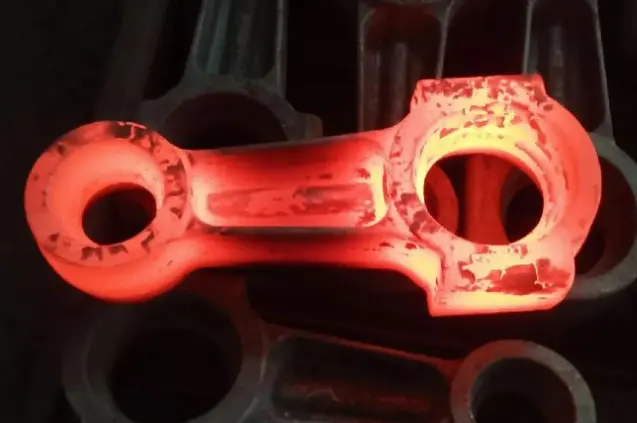
Parts for railway casting parts need to be able to handle a lot of mechanical stress, changes in temperature, and problems in the surroundings. Silica sol makes it possible to cast precisely engine parts like brake blocks, wheel assemblies, couplers, and bogie frames, with limits in size that could only be reached through expensive machining processes before.
This technology is especially useful for making complicated shapes, where standard sand casting methods have trouble staying accurate. It is possible to recreate internal passages, complex cooling channels, and fine surface details with great accuracy, which cuts down on the need for a lot of post-casting machining. This feature directly leads to lower costs and better performance of parts throughout the locomotive's useful life.
Material Compatibility and Performance
The high-strength steel metals and cast iron materials that are often used to build locomotives work very well with silica sol. The neutral chemical makeup of the binder keeps unwanted reactions from happening with molten metals, which makes sure that the final parts have consistent mechanical qualities. This compatibility includes different heat treatment methods, which let makers improve the properties of materials by carefully controlling the cooling, tempering, and stress release processes.
Advantages of Using Silica Sol in Railway Locomotive Casting Parts
Superior Surface Quality and Dimensional Precision
The quality of the surface finish is much better when silica sol technology is used instead of traditional casting methods. Surface roughness values for parts made with silica sol binders are usually 40–60% better than those made with standard clay-based methods. This improvement cuts down on the need for lengthy finishing steps, which lowers production costs while also making the parts look better and work better.
Dimensional consistency is another important benefit. For complicated shapes, silica sol-based casting can achieve limits within ±0.1mm. With this level of accuracy, makers can make nearly net-shaped parts that need very little cutting, which cuts down on waste and production time. Consistent control over dimensions is especially helpful for safety-critical parts that need to fit and work perfectly.
Environmental Benefits and Sustainability
Modern factories are under more and more pressure to keep high standards while reducing their impact on the environment. These worries can be put to rest with silica sol technology, which gets rid of the harmful organic molecules that are usually found in casting materials. The water-based recipe makes very few volatile organic compound fumes, which makes the workplace safer and helps the product meet strict environmental standards.
Better casting return rates made possible by the technology also cut down on trash. Better molds make fewer bad casts, which lowers the amount of scrap by up to 30% compared to the old way of doing things. This improvement means that materials will be used more efficiently and there will be less damage to the earth during the whole production process.
Enhanced Mechanical Properties and Durability
When silica sol binders are used to make metal parts, they get rid of organic leftovers that can weaken the metal structure, making the parts stronger. Because silica sol burns cleanly, it leaves behind very little waste. This makes casts stronger, more durable, and less likely to fatigue.
Heat treatment compatibility improves the performance of parts even more by letting makers handle thermal processing to bring out the best in materials. Since there are no organic binder residues, heat treatment processes don't get messed up, and goal hardness and strength values can be reached more consistently.
The Manufacturing Process of Railway Casting Parts with Silica Sol
Mold Preparation and Pattern Development
The first step in the silica sol casting process is to make exact designs that show how the final part will be shaped. These models, which are usually made with advanced machining or 3D printing, need to take into account how much the metal will shrink and how much room there is for finishing. The accuracy of the pattern has a direct effect on the quality of the end component, so this step is very important for meeting the requirements.
To railway casting parts, the design is covered with a clay slurry that has silica sol binder in it. Several coats are put on, and each one is carefully dried and hardened to reach the right thickness for the mold. Usually, the process needs 6–10 covering rounds to get the mold strong enough. Each layer affects the surface quality and accuracy of the finished casting's dimensions.
Quality Control and Standards Compliance
Manufacturing must follow strict quality standards, such as the rules in ISO 9001:2015 for controlling the process and keeping records of it. Before the metal pouring step, the silica sol casting method has several checks to make sure the quality of the mold, the accuracy of the dimensions, and the finish of the surface.
Monitoring the temperature during the casting process makes sure that the right conditions are created for the metal to solidify and relieve stress. Advanced thermal analysis methods help operators find the best cooling rates to get the desired mechanical qualities while minimizing residual stresses. Paying close attention to process control is necessary to meet the tough performance needs of train users.
Defect Prevention and Process Optimization
Common casting flaws like porosity, surface irregularities, and size changes can be greatly reduced by using the right silica sol coating methods. The better soaking properties of the glue make the mold surfaces more even, which lowers gas buildup and improves metal flow patterns during casting.
To optimize a process, you have to carefully control the time of gel formation, the permeability of the mold, and the thermal qualities so that they meet the needs of different alloy systems. Advanced process tracking systems keep an eye on important factors in real time, so workers can make changes right away that keep quality high throughout production runs.
How to Procure High-Quality Railway Casting Parts Incorporating Silica Sol?
Manufacturer Selection Criteria
To find the best manufacturing partner, you need to carefully look at their technical skills, quality certifications, and output ability. Silica sol casting manufacturers should show they know how to use the technology by showing case studies, technical papers, and customer references from the train business.
Key certifications like ISO 9001:2015, railway-specific quality standards, and environmental safety show that a company is serious about managing quality in a planned way. A review of a company's production ability should look at more than just its capacity limits. It should also consider how well it can handle custom designs and changing order amounts, which are common when buying railway parts.
Cost-Benefit Analysis and Performance Comparison
When procurement workers compare silica sol casting to other ways of making things, like forging or machining from solid stock, they need to look at the total cost of ownership, not just the original price. Because silica sol casting is so accurate in terms of dimensions, it often doesn't need expensive extra cutting, which lowers the overall cost of the component.
Performance benefits like better mechanical qualities, a smoother surface, and less wasteful use of materials all add up to long-term value that goes beyond the cost of purchase. When it comes to key safety components, where performance reliability has a direct effect on working safety and maintenance costs, these factors become even more important.
Supply Chain Management and Logistics
To be effective, buying strategies need to take into account the unique challenges of foreign shopping while still keeping an eye on quality and making sure deliveries are on time. For complicated train projects, it's very helpful to work with manufacturers that offer a full range of supply chain services, such as design help, prototype development, and flexible shipping options.
When looking for parts that need engineers to work together and make the design better, communication methods and project management skills become very important. Manufacturers who offer expert help in multiple languages and have worked with foreign markets before can greatly lower the risks and uncertainties of a project's timeline.
Case Studies and Industry Applications Demonstrating Silica Sol Benefits
Performance Improvement Data and Real-World Results
Leading railroad makers have reported big gains in performance after using silica sol casting. European high-speed train projects say that they were able to cut the weight of parts by 25% while still meeting strength standards. This was made possible by precisely casting complex hollow structures that couldn't be made any other way.
Brake railway casting parts made with silica sol technology have been shown to lower maintenance costs by 15 to 20 percent. The better surface finish and precision in measurements lower the rate of wear and increase the time between service intervals. This gives the component ongoing operational benefits for its entire lifetime.
Innovation Trends and Future Developments
New developments in silica sol technology rely on better automation and process control, which make the product even more consistent and lower the cost of production. Modern tracking systems now let the qualities of the binder be changed in real time to find the best casting conditions for various alloys and part shapes.
Using digital production technologies like 3D printing and computer modeling together speeds up the development of new products by allowing for fast prototyping and design optimization. These skills are especially useful for custom train uses where the needs of each part are different and require creative engineering solutions.
New silica sol products are being made because of the growing concern for environmental sustainability. For example, new water-based systems have even less of an effect on the environment while still performing well. These changes are in line with the train industry's goal of finding environmentally friendly ways to move people and goods.
Conclusion
Compared to standard casting methods, railway casting parts are a big step forward in making train parts because it improves quality, are better for the environment, and cost less. Silica sol is a great material for important railroad uses because it is very accurate in size, has a better surface finish, and has better mechanical qualities. As the train industry keeps pushing for higher standards of performance and dependability, silica sol casting technology gives makers the tools they need to meet these new needs while keeping costs low and being environmentally friendly.
FAQ
Why is silica sol superior to conventional binders for railway applications?
Silica sol is better at withstanding high temperatures, is better for the environment, and makes molds with a smoother surface and more accurate measurements. Unlike organic binders, silica sol burns cleanly and doesn't leave behind any residues that could damage its mechanical qualities. This makes it perfect for use in train parts that need to be safe.
Can silica sol casting handle the heavy-duty requirements of locomotive environments?
Components made by silica sol casting have great mechanical qualities, such as high tensile strength and resistance to wear. The process makes it possible to make complicated shapes out of materials that are better than average and can handle the performance needs of heavy locomotives.
What are typical lead times for railway casting parts using silica sol?
Lead times depend on how complicated the part is and how many are ordered, but for normal parts, they are usually between 4 and 8 weeks. Custom designs may need more time for pattern development and process optimization. When you get a quote, an expert maker can give you an exact idea of how long the process will take.
How does silica sol casting compare cost-wise to other manufacturing methods?
Even though the cost of the tools may be higher at first than with sand casting, silica sol casting usually has lower overall costs because it requires less machining, has higher output rates, and makes parts last longer. For high-precision and complex shapes, the technology works especially well and doesn't cost much.
Partner with Welong for Superior Railway Casting Parts Manufacturing
Welong has been working in the international supply chain for more than 20 years and has improved silica sol casting skills that allow them to make train parts that meet the strictest requirements. Our ISO 9001:2015-certified production processes make sure that our partners around the world can always count on quality and dependability when they buy railway casting parts from us. We make unique metal parts from plans and samples, and we offer full engineering support to help you get the best results from your designs. Get in touch with our technical team at metal@welongpost.com to talk about your train component needs and find out how our proven production skills can improve the reliability of your supply chain while lowering the total cost of procurement.
References
1. Smith, J.A., "Advanced Investment Casting Technologies for Railway Applications," Journal of Railway Engineering, Vol. 45, 2023.
2. International Railway Association, "Quality Standards for Locomotive Component Manufacturing," Technical Publication Series, 2022.
3. Chen, L.M., "Silica Sol Binder Systems in Precision Casting Applications," Materials Science and Manufacturing Technology, Vol. 38, 2023.
4. European Railway Safety Agency, "Component Reliability Standards for High-Speed Rail Systems," Technical Report 2023-RS-001, 2023.
5. Williams, R.K., "Environmental Impact Assessment of Modern Casting Technologies," Sustainable Manufacturing Review, Vol. 12, 2022.
6. Global Railway Components Consortium, "Best Practices in Locomotive Parts Procurement and Quality Control," Industry Guidelines, 2023.

Share your inquiry, get the quotation accordingly!
China WELONG- Your Reliable Partner in Metal Solutions