Precision Casting Meaning: Beyond Dimensional Tolerances
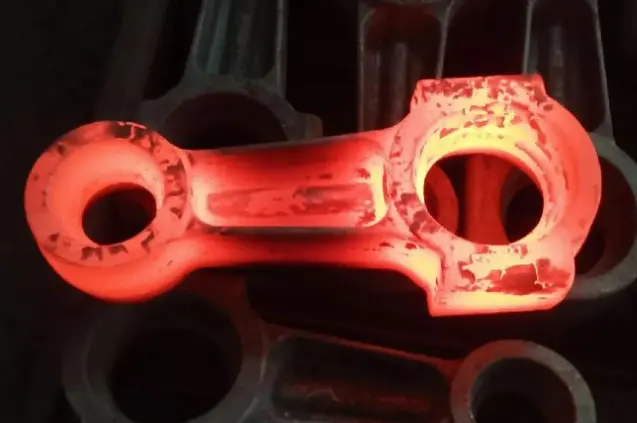
Precision casting is a lot more than just making sure that tight standards are met in manufacturing. This advanced metalworking method, which is also called investment casting, produces parts with great surface quality, the ability to make complex shapes, and better material qualities that change how businesses make parts. Dimensional correctness is still very important, but precision casting's real value lies in its ability to make complex metal parts with uniform quality, less need for machining, and better mechanical performance in medical devices, aircraft, and cars.
Understanding Precision Casting: Definition and Importance
Investment casting technology has changed the way things are made by making it possible to make parts with very precise net shapes. This method uses disposable wax designs covered by ceramic shells to make holes for molten metal. The parts that are made usually don't need much extra work after they are made.
The main benefit of precision casting goes beyond controlling dimensions and includes keeping the purity of the material and allowing for more design options. Unlike traditional casting methods that need fixed molds, investment casting can make complex external features, thin walls, and detailed internal passages that would be impossible or too expensive to make with traditional machining methods.
Superior Surface Quality and Finish
Precision casting gives surfaces great finishes, usually between 63 and 125 microinches Ra, so no need for a lot of work to be done after the casting process. This natural smoothness lowers friction in moving parts, makes them more resistant to rust, and makes parts that look good for uses that people will see.
The clay shell shaping process makes the surface of the whole part the same, even on the inside, where there are holes and complicated shapes. This stability is especially useful in places where surface contamination or roughness could hurt performance, like in medical implants or aircraft turbine parts.
Material Versatility and Performance
Investment casting can be used with a wide range of materials, from common stainless steels to rare superalloys made to work in harsh circumstances. 316 stainless steel, 17-4 PH, Inconel 718, and different aluminum alloys are all common materials. Each one was chosen based on its own mechanical and environmental needs.
In precision casting, the controlled solidification environment helps make sure that the material has tiny grains and the same qualities all over the part. This metallurgy edge means that the metal is stronger, less likely to wear down, and its mechanical behavior under stress can be predicted.
Precision Casting Process: Step-by-Step Breakdown
The investment casting method is a carefully planned series of steps that are meant to keep the dimensions accurate while working with complicated part shapes. By understanding these steps, procurement workers can better understand what precision casting companies can do technically and what they might not be able to do.
Pattern Creation and Assembly
The first step is to make injection-molded wax models that look like the end part's shape. Before being put together into groups or trees that make the best use of material and improve casting efficiency, these designs are checked for accuracy by measuring them. The quality of the pattern has a direct effect on the end part's size and finish.
Several designs are connected to a central sprue system, making an assembly that makes the most of the furnace's space while keeping the metal's flow features constant. This grouping method lowers the cost per unit while making sure that the quality of all the parts is the same.
Ceramic Shell Development
Wax designs that have been put together get several ceramic coats by dipping and stuccoing them, which gradually increases the shell thickness. The ceramic shell's make-up changes depending on the metal that will be made. Refractory materials are chosen to be able to handle certain pouring temperatures and chemical reactions.
For shell growth to happen, you need to wait 16 to 24 hours between coats so that each one can dry completely. This patience protects the structure of the shell and stops flaws that could lower the quality of the casting.
Dewaxing and Metal Pouring
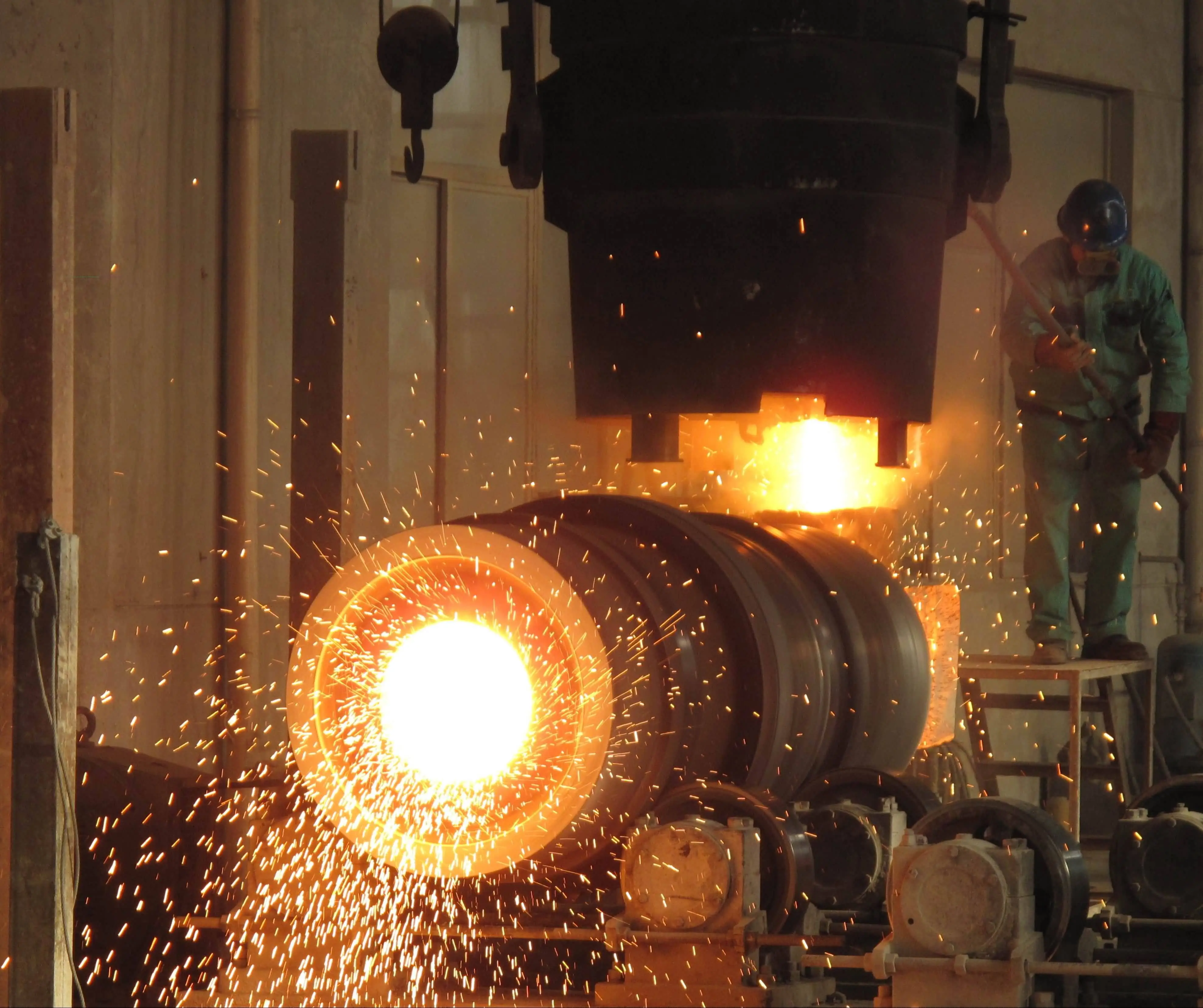
When the wax figures are removed with steam, exact holes are left in the ceramic shells. Before they are heated to receive liquid metal, the shells that have been waxed are preheated to get rid of any remaining wetness and organic contaminants. The temperature and method of pouring have a big effect on the quality and accuracy of the end part's dimensions.
Controlled cooling rates stop heat stress and help the grain structure grow in the best way possible. You can change the cooling environment to improve certain material qualities or get the microstructures you want.
Precision Casting vs. Other Manufacturing Methods: Informed Decision-Making
To choose the best way to make something, you need to carefully think about the part needs, the production number, and the cost. When compared to other ways of making things, precision casting has some unique benefits and some limits.
Comparison with Machining Operations
Traditional cutting is great at getting accurate measurements, but it's not so good at dealing with complicated internal shapes and waste. Precision casting produces almost net-shape results with little material loss, but it might need extra work to make critical measurements or threaded features.
When it makes economic sense to switch between casting and cutting relies on how complicated the part is and how many are being made. Parts with simple geometries are usually better for machining in small quantities, while parts with complicated geometries and internal features are usually better for casting, even in small amounts.
Advantages Over Die Casting and Sand Casting
Die casting is very good at repeating dimensions, but it limits the types of materials that can be used and needs expensive tools for making complicated shapes. Investment casting gives you better surface quality and measurement accuracy, but sand casting can't handle big parts or different materials.
Precision casting fills in these gaps by combining accurate measurements with the ability to bend the material and produce a smooth, high-quality surface. The process works well for medium to large amounts of output while still being cost-effective for small, unique parts.
Design Freedom and Geometric Complexity
Investment casting makes it possible to combine designs in ways that aren't possible with other ways of making things. Parts that need to be put together from several finished pieces can often be cast as a single unit, which cuts down on the time it takes to put together and the number of places where something could go wrong.
This design freedom includes openings inside for air flow or cooling, so there's no need to cut, which could weaken the structure of the part. Overall system complexity is lowered by being able to cast mounting bosses, cooling fins, and artistic features directly into components.
Procurement Insights: Sourcing Quality Precision Casting Services
To buy precision castings successfully, you need to carefully evaluate suppliers and communicate your needs clearly. Because investment casting is so technical, it needs providers with a track record of success and the right quality processes in place.
Supplier Certification and Capabilities
Quality management starts with ISO 9001:2015 certification. However, based on the needs of the application, certifications specific to the business may be needed, such as AS9100 for aircraft or ISO 13485 for medical devices. During audits of suppliers, the skills of the tools, process controls, and quality documentation methods should be looked at.
Different precision casting companies have very different technical skills. Key evaluation factors include knowledge of alloys, the ability to measure, the quality of the surface finish, and the ability to test without damaging the object being tested. Suppliers should show that they have worked with similar parts and working conditions before.
Geographic Sourcing Considerations
China has become a major source of precision castings, with low prices and high quality standards maintained by using modern tools and process controls. Established providers in this area often offer a wide range of services, such as engineering help, prototype development, and control of the supply chain.
The length of the lead time depends on how complicated the part is and how much time the seller has available. When making purchase plans, you should include time for pattern development, especially for new part designs that need pattern creation and process improvement.
Quality Control and Inspection Requirements
The quality of a precision casting relies on how well the process is controlled and how thoroughly it is inspected. Suppliers should keep track of statistical process control data and give material certificates that include checks on the materials' mechanical properties.
You can be sure that a component is intact with non-destructive testing methods like radiography viewing, fluorescent penetrant testing, and measuring its dimensions. Suppliers should work with third-party inspection and witness points requests from customers.
Applications and Industry Use Cases of Precision Casting
Investment casting is used in many industries to make important parts that need to be reliable and work well enough to support the cost of making them. Applications in the real world show how flexible and useful the technology is.
Aerospace and Defense Applications
Turbine engine parts are a standard example of a precision casting application. They need to have complicated internal cooling passages and use unusual materials, which show off the process's abilities. The near-net-shape precision and material qualities that can be achieved through investment casting are good for parts like rotor blades, vanes, and structural brackets.
The aerospace business has strict quality standards and wants to be able to track materials, so choosing the right source is very important for the success of a program. Precision casting lets you make designs that are light and have built-in features that cut down on the number of parts needed and the difficulty of assembly.
Medical Device Manufacturing
Precision casting is used to make smooth surfaces and complicated shapes out of safe materials for surgical tools and implantable devices. The process gives parts like orthopedic implants, surgery tools, and testing equipment housings better surface quality and consistency in size.
For medical uses, special materials like titanium alloys or cobalt-chrome are often needed. This calls for suppliers who know how to work with metals and have clean rooms. Regulatory accountability makes it harder to find suppliers and keep track of quality.
Automotive and Industrial Equipment
Precision casting is used in many car parts, from turbochargers to transmissions. Its complex internal pathways and accurate dimensions make the parts work better and last longer. Pump impellers, valve bodies, and specialized tools are all examples of industrial equipment uses.
Because the auto business cares a lot about cost, the casting process is always getting more efficient while quality standards are maintained. When production rates change, suppliers have to find a balance between lowering costs and meeting performance standards.
Conclusion
Precision casting is useful for more than just accuracy in measurements. It also improves surface quality, allows for more design options, and makes the best use of the material's performance. The technology makes it possible to combine parts, cuts down on extra work, and gives people access to modern materials that can be used in many different commercial settings. To be successful in precision casting buying, you need to carefully evaluate suppliers, communicate clear specifications, and make sure that the needs of the component and the process can be met. When procurement workers know about these bigger benefits, they can use investment casting to its fullest potential to find high-performance, cost-effective manufacturing options.
FAQ
What distinguishes precision casting from standard investment casting?
Precision casting is the best type of investment casting because it focuses on tighter standards for dimensions, better surface finishes, and better process controls. There are different levels of quality for investment casting, but precision casting is only used for tasks that need to be very accurate and consistent.
How do quality assurance practices ensure reliable precision casting output?
Statistical process control, material certifications, measurement verification, and non-destructive testing procedures are all parts of complete quality systems. Reliable providers keep their ISO 9001:2015 certification up to date with industry-specific changes, put in place strong process controls, and send full inspection paperwork with every shipment.
What tolerance ranges are achievable through precision casting processes?
For most measurements, precision casting can get within ±0.005 inches (±0.127mm), and for some features, it can get within ±0.003 inches (±0.076mm) in the best conditions. Tighter standards may need to be achieved by secondary cutting on critical dimensions, but these needs can be kept to a minimum with good design.
Which materials work best for precision casting applications?
Stainless steels (316, 17-4 PH), aluminum alloys (A356, 6061), and superalloys (Inconel 718, Hastelloy X) are all common choices. The working climate, mechanical needs, and corrosion protection needs all affect the choice of material. Suppliers should show that they know a lot about the metal families that are important to your uses.
Partner with Welong for Superior Precision Casting Solutions
Welong delivers high-quality parts for tough industrial uses by combining more than 20 years of experience in precision casting with full supply chain management. Our ISO 9001:2015-certified factory makes complicated metal parts from sketches or examples. AutoCAD, Pro-Engineering, and SolidWorks are used for engineering. We are an experienced precision casting provider that works with companies in Europe and North America that make things for the aerospace, automobile, and medical device industries. We guarantee quality control and on-time delivery. Get in touch with us at metal@welongpost.com to talk about your precision casting needs and see how committed we are to technical greatness and open communication.
References
1. Campbell, John. "Castings: The New Metallurgy of Cast Metals." Second Edition, Butterworth-Heinemann Professional Engineering Publishing, 2003.
2. Beeley, Peter R. and Smart, Richard F. "Investment Casting." Institute of Materials, Minerals and Mining, London, 1995.
3. American Foundry Society. "Investment Casting: Process Guidelines and Design Considerations for Engineers." Technical Publication, 2018.
4. Davis, Joseph R. "ASM Specialty Handbook: Cast Irons." ASM International Materials Engineering Dictionary, 1996.
5. Monroe, Robert W. "Investment Casting Handbook." Investment Casting Institute Technical Committee Publication, 2017.
6. Stefanescu, Doru M. "Science and Engineering of Casting Solidification." Third Edition, Springer International Publishing, 2015.

Share your inquiry, get the quotation accordingly!
China WELONG- Your Reliable Partner in Metal Solutions