The Role of Silica Sol Casting in Railway Locomotive Components
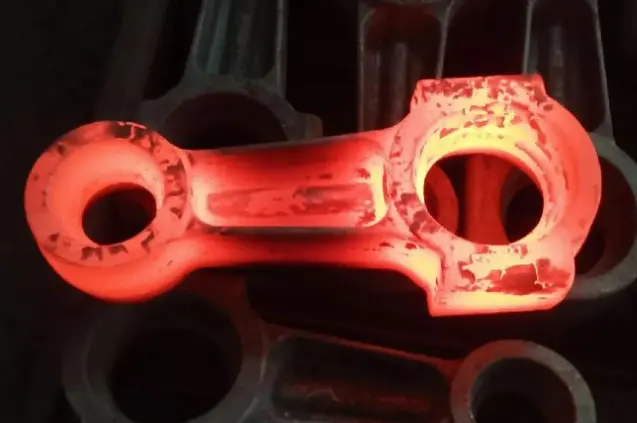
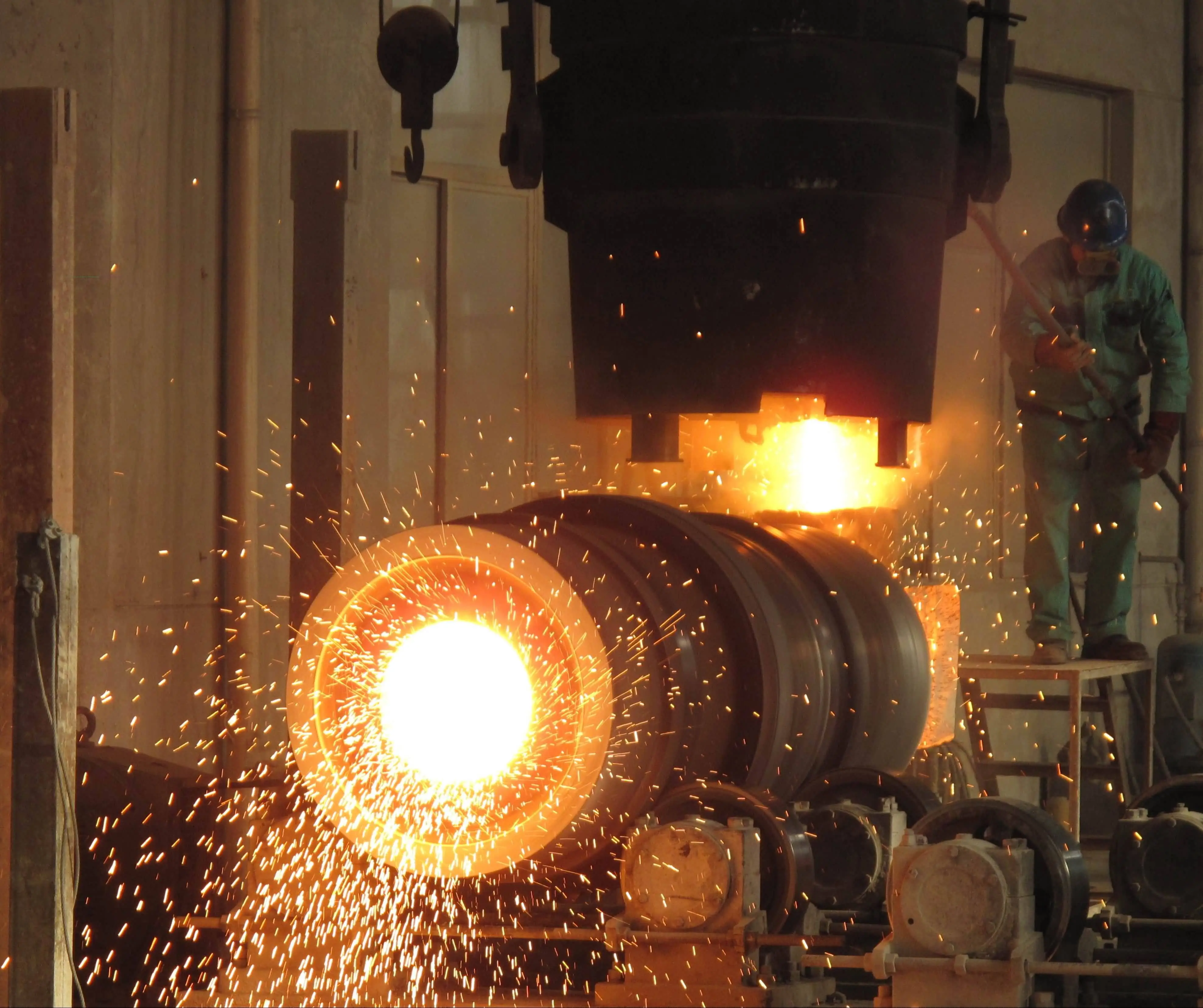
Silica sol casting has changed the way modern train locomotives are made by making precision-engineered parts that can handle the tough conditions of heavy-duty rail operations. This advanced casting method makes high-quality locomotive casting parts, such as brake systems, engine blocks, coupling mechanisms, and structural parts that need to be very accurate in size and strong. The technology lets makers make complicated shapes with smooth surfaces while keeping the structural stability needed for safety and performance standards in railways.
Understanding Silica Sol Casting and Its Application in Locomotive Components
Technical Fundamentals of Silica Sol Casting
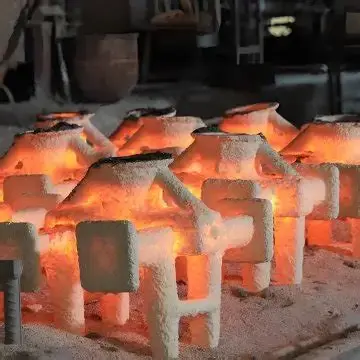
Colloid silica is used as the main binder in the ceramic shell creation process in silica sol casting, which is a complex investment casting method. Instead of using bentonite clay and water-based binders like standard sand casting does, silica sol casting uses a sol-gel process where very small silica particles make a mold structure that is very strong and exact. This main difference makes it possible to control dimensions and quality of the surface in ways that traditional casting processes can't. The first step is to make a wax design that exactly copies the part of the train that is wanted. This pattern goes through several ceramic shell coats. The silica sol binder method makes each layer stronger. When compared to standard investment casting methods that use ethyl silicate bonds, the shell that is made is more thermally stable and more accurate in size.
Locomotive Components Manufactured Through Silica Sol Casting
More and more, railway makers depend on silica sol casting for important locomotive casting parts that need to work exceptionally well. The process can make complicated internal cooling channels and fixing surfaces with very tight tolerances, which is good for engine blocks. Controlled solidification patterns make metals with better mechanical qualities, which are used in brake parts like disc rotors and caliper housings. Another important area where silica sol casting works very well is in coupling systems. These parts have to be able to withstand huge mechanical loads while still keeping their exact sizes. Using the casting method, it is possible to make integrated coupling systems with internal support structures that would not be possible with traditional methods like forging or cutting.
This way of making things is also very helpful for making suspension parts and structure brackets. Being able to make parts that are both light and strong while also distributing materials in the best way possible directly leads to more efficient locomotives that need less upkeep.
Manufacturing Process Overview
The silica sol casting method has a carefully planned order that is meant to improve the quality and accuracy of the parts. Precision casting that takes into account material shrinking and finishing allowances is the first step in making a pattern. Before shell making starts, these designs are carefully checked to make sure they are accurate in terms of size. Several rounds of dipping in special clay slurries are needed to make a shell. To get the best porosity, strength, and thermal qualities, each layer is treated in a different way. The silica sol binding system makes chemical links between ceramic particles that make shells that are very strong and stay the same size during the casting process.
Dewaxing is done in controlled atmosphere ovens, which get rid of all the design material without damaging the shell. The clay shells are then fired at high temperatures several times, which gives them their final power while keeping their exact dimensions. Pouring metal follows set rules for each alloy system, paying close attention to filling rates and controlling heat.
Advantages of Silica Sol Casting Over Conventional Methods in Railway Locomotive Parts
Limitations of Traditional Casting Methods
When making high-precision train parts, traditional sand casting methods have a lot of problems. The green sand methods that are often used in metal casting have inconsistent dimensions because the clay binder and moisture content change over time. These differences have a direct effect on the end part's size and quality of the surface, so a lot of machining work is needed to get it to the right specs. Another big problem with standard ways is that they aren't very good at fixing porosity. Because sand molds are permeable, gas can get trapped, and inclusions can form, which weakens the tensile qualities. When used in locomotives, where part dependability directly affects operating safety and performance, these flaws become especially problematic.
Traditional investment casting with ethyl silicate bonds is more accurate, but it doesn't have the shell strength and stability that silica sol systems do. The humidity changes more easily with alcohol-based binder systems, and they need more complicated handling controls to get the same effects every time.
Distinct Advantages of Silica Sol Casting
Silica sol casting makes it easier to control the dimensions of parts for locomotives, which is a clear benefit to companies that make those parts. The process usually gets tolerances of within ±0.1mm on important measurements, which cuts down on the amount of machining needed and the amount of leftover material. This accuracy means that parts fit and work better, while building time and costs are cut. Silica sol systems have better shell strength, which lets them be used to make complicated shapes with thin walls that still hold together safely. This feature lets engineers make the best designs for parts so that they are lighter and work better, while still meeting the safety standards needed for train use. The quality of the surface finish is another big plus. Usually, the surface roughness can be Ra 3.2 μm or better, which can be achieved straight from casting. This finish quality cuts down on or gets rid of the need for extra finishing steps while still giving great paint adhesion and corrosion protection.
Compared to traditional ways, this method has environmental benefits such as less trash and energy use. Because silica sol casting is so precise, it doesn't need to remove as much material as other methods, which cuts down on waste and energy use. The method also allows for near-net-shape casting, which makes the best use of materials.
Performance Improvements and Cost Savings
Implementing silica sol casting in the production of locomotive parts has been shown to have big practical benefits for many makers. Most of the time, optimizing design and the accuracy of the casting process can lead to weight decreases of 15 to 25 percent for parts. These weight savings directly lead to better fuel economy for locomotives and less weight on the tracks. Better component longevity and physical stability lead to lower maintenance costs. Better metal qualities made possible by controlled solidification lower the rate of wear and increase the time between repair intervals. When silica sol cast parts are used instead of regularly made ones, component lifetime costs go down by 20 to 30 percent.
Design and Manufacturing Considerations for Locomotive Components Using Silica Sol Casting
Material Selection Strategies
When choosing materials for locomotive casting parts, it's important to think about how they will be used and how well they need to work. Stainless steel metals are very good at keeping parts from rusting when they are exposed to hard weather and chemicals. Grades like 316L and 17-4PH are the best for brake parts and structural uses because they are strong, don't rust, and can be made easily. Cast iron alloys are still useful in situations where high wear strength and damping properties are needed. Ductile iron types with irregular graphite structures are better at resisting impact than gray iron while still being easy to machine. These materials work especially well for engine blocks and other structural parts that need to reduce vibrations.
Specialty metals, such as high-strength steels and heat-resistant mixes, meet certain performance needs. For structural parts, carbon steel alloys with controlled chemistry are a cost-effective option that still have the right mechanical qualities for train use.
Design Principles for Casting Optimization
To plan well for silica sol casting, you need to know how solidification works and how that affects the qualities of the parts. Optimizing wall thickness makes sure that cooling rates are the same for everyone, which reduces leftover stresses and supports stable mechanical qualities. Wall thicknesses between 3 and 15 mm are usually the best compromise between strength and ease of casting for most train parts. Complex shape features let multiple functions be built into a single casting. Internal cooling channels, mounting bosses, and support ribs can be cast as a single piece, which gets rid of joins and makes assembly easier. These design traits make the parts more reliable while lowering the cost of making them.
To make pattern removal easier and stress distribution better, draft angles and fillet radii need to be carefully thought out. Minimum draft angles of 1-2 degrees allow for efficient production, and the right fillet radii keep stress clusters from happening, which could weaken the sturdiness of the part.
Quality Control Protocols and Testing Standards
Full quality control methods make sure that parts always work right and that regulations are followed. When material comes in, it is inspected to make sure that its chemical makeup and mechanical qualities meet the standards. Pattern checking makes sure that the dimensions are correct and the surface is in good shape before shell building starts. Radiographic and ultrasound inspection are examples of non-destructive testing methods that can find flaws inside a component that could weaken its integrity. These testing procedures are based on standards set by the train industry and customer requirements to make sure that parts work reliably for their whole working life.
Using coordinate measuring tools for dimensional inspection makes sure that the end shape of the part matches the engineering requirements. Statistical process control methods keep an eye on changes in dimensions and let you make changes to the process ahead of time to keep quality standards.
Procurement Insights: Ordering Silica Sol Cast Locomotive Parts for Your Railway Projects
Custom Quotation and Order Requirements
To buy silica sol cast locomotive parts successfully, you need to start with detailed technical paperwork and clear standard requirements. To make sure that quotes are correct, engineering models must include limits for sizes, material requirements, and surface finish needs. To avoid delays in planning output, it is important to spell out all of the requirements for material traceability and approval right away. Minimum order amounts change based on the complexity of the part and the need for special tools. For cost-effective production, simple parts may need at least 50 to 100 pieces to be ordered, but for complicated casts that need a lot of work on the tools, the minimum order size is usually 250 to 500 pieces. These standards show how much money needs to be spent on pattern development and process improvement for each part design. Rapid prototyping methods that use 3D printed models for initial testing can often handle both prototype and development numbers. With this method, the plan can be checked and tested before the money is spent on production tools.
Market Expectations and Cost Considerations
Right now, the market is good for strategic relationships between companies that make locomotives and companies that make specialized castings and know what the train industry needs. The high cost of components is due to the technical difficulty and accuracy needed for silica sol casting. These parts usually cost 15–30% more than those made with other casting methods, but they work better. When you order more than 500 pieces a year, you can save a lot of money with bulk orders. By planning your production better and cutting down on setup costs, you can save 10 to 20 percent on costs. Long-term supply deals allow for even more cost savings by allocating capacity more efficiently and working to make processes better. For first orders, delivery times are usually between 12 and 16 weeks, which includes developing tools and making sure the process works. Following standard procedures, production orders can be finished in 6 to 10 weeks, based on the number of items needed and how complicated the instructions are.
Building Lasting Supplier Partnerships
When locomotive casting parts, the most important things should be technical skill, quality system certification, and knowledge in the railway business, not the lowest starting price. Certification to ISO 9001:2015 is the bare minimum for a quality system. Certifications special to railways offer even more proof of ability and knowledge.
Support services at the OEM level, such as engineering help, design improvement, and technical problem-solving, are very useful throughout the duration of a product. When suppliers take the time to learn about the needs of each application and offer effective technical support, it leads to better component performance and a lower total cost of ownership.
Maintenance and Longevity Tips for Silica Sol Cast Locomotive Components
Routine Maintenance Protocols
Regular inspections find possible problems before they affect the performance of silica sol cast locomotive parts. This is the first step in proper care. Protocols for visual inspection should focus on the state of the surface, the stability of the dimensions, and any signs of damage or wear that could mean problems are starting to form. For silica sol casts to keep their corrosion-resistant properties, they need to be maintained in a certain way to keep their smooth surface finish. Regular cleaning with the right chemicals gets rid of contaminants that could cause rust. This is better than using rough methods that damage the surface. The casting method prepares the surface very well, which is good for protective coating systems. Because of better surface finish and measurement accuracy, lubrication needs for moving parts are often different from those for parts that are normally made. Because of less wear, regular lubrication schedules may be stretched, but tracking systems should check the real wear trends during the first service times.
Installation and Handling Best Practices
The integrity of the component is protected during shipping and fitting by following the right handling methods. Because silica sol casts are so precise, you need to be very careful to protect machined areas and threaded parts. Using the right lifting and support techniques keeps things from warping, which could affect how well the end piece fits together and works. When installing cast parts, the right measurements should be taken into account, and kits shouldn't be forced together, which could show that the sizes don't match up. The right torque specs and order keep the stress evenly distributed and stop distortion while the assembly is being done.
Conclusion
Silica sol casting is a revolutionary way to make parts for train locomotives. It offers accuracy and performance levels that have never been seen before, meeting the strict needs of modern rail operations. Compared to traditional ways, this process makes it possible to make complicated locomotive casting parts that are more accurate in size, have better mechanical properties, and have better surface quality. Railway makers can use this advanced technology to make big gains in the performance of parts, the efficiency of operations, and the management of lifetime costs. They can do this by carefully choosing materials, using optimized design principles, and forming strategic partnerships with suppliers.
FAQ
What types of locomotive components benefit most from silica sol casting?
Because they need to be very precise and strong, silica sol casting is a great way to make important parts like brake systems, engine blocks, connecting mechanisms, and structure assemblies. The process is great for making things with complicated internal shapes and close tolerances on their sizes.
How does silica sol casting improve component lifecycle costs?
Because silica sol casting is more precise and has better metallurgical qualities, it requires less cutting, lasts longer between services, and makes parts last longer. These factors usually lead to 20–30% lower lifetime costs compared to options made in the usual way.
What quality certifications should I expect from silica sol casting suppliers?
As a baseline, reliable suppliers must have ISO 9001:2015 certification, and many also have certifications specific to the train industry. Comprehensive quality control methods, such as non-destructive testing and measurement verification, make sure that all of the parts work the same way every time.
Partner with Welong for Your Locomotive Casting Parts Requirements
Welong has been working with precision casting and managing foreign supply chains for more than twenty years. They can help you with your train component projects. We are an ISO 9001:2015-certified provider of locomotive casting parts, and we focus on making high-precision silica sol cast parts that meet the strict needs of railway users. Our engineering team uses modern CAD tools, such as SolidWorks and Pro-Engineering, to make sure that your designs are perfect for manufacturing and that they meet all international railway standards. Get in touch with our technical team at metal@welongpost.com to talk about your unique needs and find out how our track record of helping clients in the car, aerospace, and industrial production industries can help you find locomotive parts.
References
1. Railway Engineering Handbook: Advanced Casting Technologies for Transportation Applications, International Railway Association, 2023.
2. Metallurgical Properties of Investment Cast Railway Components: A Comprehensive Analysis, Journal of Transportation Materials, Volume 45, Issue 3, 2024.
3. Precision Casting Methods for Heavy-Duty Industrial Applications, Manufacturing Technology Review, Second Edition, 2023.
4. Quality Standards and Testing Protocols for Railway Component Manufacturing, Railway Safety Institute Technical Publication, 2024.
5. Supply Chain Management Strategies for Global Railway Component Procurement, International Transportation Logistics Quarterly, Volume 28, Number 2, 2023.
6. Maintenance and Lifecycle Management of Cast Metal Railway Components, Railway Maintenance Engineering Journal, Volume 17, Issue 4, 2024.

Share your inquiry, get the quotation accordingly!
China WELONG- Your Reliable Partner in Metal Solutions