Cast steel is an important part of modern industry because it is strong, durable, and flexible enough to be used in many different fields, such as oil drilling, aircraft, automobile, and medical device production. Procurement managers and engineers can make smart choices about which materials to use when they know about the different parts of steel casts and what they do. Each part adds its own special qualities that have a direct effect on performance, cost-effectiveness, and fit for use. This in-depth look at the makeup of cast steel helps industry buyers improve their buying strategies while making sure they meet strict quality standards.
Understanding Cast Steel and Its Composition
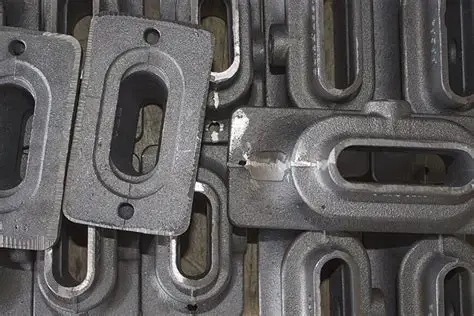
Cast steel is a special kind of steel that is made by pouring liquid metal into molds that have been carefully made to make complex shapes and forms. Forged or worked steel products are shaped mechanically, but steel casts get their final shape by slowly solidifying in molds that have been carefully designed. This way of making things lets for complicated internal routes, complicated external setups, and production that is close to net-shape, which cuts down on the need for further cutting.
What Is Cast Steel?
Steel molds are basically different from other types of steel because of how they are made and the material that is created. Forged steel is worked mechanically to match the grain structure and improve its linear properties. Cast steel, on the other hand, develops its qualities by being slowly cooled from a liquid state. This method makes the qualities of the steel the same in all directions. This makes cast steel parts perfect for uses that need strength in more than one direction and complex internal shapes that can't be made with standard forging methods.
The Basic Composition of Cast Steel
Iron is the main element that makes up steel. It usually makes up 95–99% of the whole makeup. Carbon content usually falls between 0.15% and 1.2%, which has a direct effect on how hard and strong something is. Manganese levels between 0.5% and 1.5% help remove rust and improve tensile qualities. Silicon content, which is usually between 0.2% and 0.8%, does a lot of different things. It removes oxygen during freezing and makes the end product stronger. It is possible to add extra elements like chrome, nickel, and molybdenum to meet particular performance needs for tough uses.
Importance of Elemental Balance in Cast Steel Properties
For steel casts to work at their best, the amounts of the elements must be carefully controlled, since even small changes in the makeup can have a big effect on the end qualities. The way carbon and manganese combine affects how hard and tough the material is, while the amount of silicon affects how flexible it is during casting and how strong it is in the end. Sulfur and phosphorus levels must stay tightly controlled to keep the material from breaking easily and to make sure it can always be machined. When buying teams, understand these basic links; they can choose the right grades for different uses while keeping costs low.
Key Elements in Cast Steel and Their Specific Functions
As a whole, the performing properties of cast steel are determined by the mechanical functions of each of its constituent elements. Because these elements are carefully balanced, makers can change features to fit a wide range of industrial uses while keeping quality and dependability high. Understanding how each element works helps buying workers explain technical needs clearly and choose the best grades for their needs.
Carbon (C)
Carbon is the main thing that makes steel molds harder, and the amount of carbon directly affects how strong and hard the steel is. Low carbon content (0.15-0.30%) makes casts that are flexible and easy to machine. These castings can be used to make parts that need to be able to be welded and shaped well. For general industrial uses, medium carbon types (0.30-0.60%) offer a good mix of strength and toughness. High carbon content (0.60% to 1.20%) gives the best hardness and wear resistance, but it can also make the metal more brittle, so it needs to be carefully heated to get the best toughness.
Manganese (Mn)
Manganese is very important for many reasons, such as removing oxygen during the steel-making process, controlling sulfur by forming sulfides, and making things harder. In normal grades, concentrations are usually between 0.50% and 1.50%. Higher amounts are used for specific tasks that need the ability to strengthen deeply. Manganese also makes the metal stronger when it is hot worked during casting and adds to its general toughness. It helps keep the mechanical properties of all casting parts the same and stops hot shortness that can be caused by sulfur contamination.
Silicon (Si)
Silicon is a strong deoxidizing agent that gets rid of dangerous oxygen during the melting of steel. Oxygen can make molds weak and porous. Also, silicon dissolves in the steel matrix to provide strong solution strengthening without making the steel much less flexible. Most of the time, amounts are between 0.20% and 0.80%. Higher levels are used when full strength is needed. Silicon also makes things less likely to rust at high temperatures and better at magnetic qualities in electrical uses.
Sulfur (S) and Phosphorus (P)
Most of the time, sulfur and phosphorus are thought of as flaws that need to be carefully managed so they don't change the qualities of the steel. Sulfur creates sulfide particles that can make a material hot short and less tough under impact, but they may also make it easier to machine in some situations. Phosphorus makes things stronger, but it also makes them much less flexible and tough, especially when temperatures are low. These days, when steel is made, both elements must be kept below 0.035% for most uses. For important parts in aircraft or high-pressure vessels, even better control is needed.
Additional Alloying Elements (Chromium, Nickel, Molybdenum)
Specialized alloying elements make it possible for cast steel to meet the needs of difficult applications where standard formulas are not enough. Adding chromium makes parts more resistant to rust and helps them strengthen, so they need to be used in harsh settings. Nickel makes metals tougher and more resistant to rust at low temperatures while still letting them be easily welded. Molybdenum makes steel stronger and less likely to creep at high temperatures, which is important for pressure vessels and power plants. All of these parts work together to make metal types that can withstand harsh working circumstances.
How Elemental Composition Impacts Cast Steel Properties and Applications
The relationship between elemental composition and final properties determines the suitability of specific Cast steel grades for diverse industrial applications. Understanding these connections enables informed material selection that balances performance requirements with cost considerations while ensuring long-term reliability in service.
Mechanical Properties Influenced by Elements
Tensile strength goes up in direct measure to carbon content, but it's at its best when manganese levels are just right to keep the hardness. When carbon is added, the yield strength changes in a similar way, but solid solution stiffening from silicon and substitutional alloying elements makes it stronger. Impact hardness goes down as carbon levels rise, but it goes up a lot when manganese levels are right, and sulfur and phosphorus levels are kept in check. Wear resistance is directly related to the strength that can be achieved by adding alloying elements and carbon to steel. Fatigue resistance, on the other hand, depends on how clean steel is made so that inclusion content is kept to a minimum.
Microstructure Evolution Due to Elemental Variation
The finished texture and characteristics are determined by the rate of cooling during solidification and the elements that make up the solid. A higher carbon content encourages the formation of carbides, which make things harder but may make them less tough if they are not spread out properly. Alloying elements change the transformation temperatures and dynamics, which lets you control how the microstructure grows during heat treatment. Different elements have different effects on grain size. Some help polish the grain, while others help it grow. This has a direct effect on the mechanical features and how the heat treatment works.
Application-Specific Element Requirements
For parts like steering knuckles and suspension, automotive uses usually need medium carbon types that are easy to machine and have consistent mechanical qualities. For use in pressure vessels, the metal needs to have a low sulfur/phosphorus content and a certain alloying for high temperatures and stress corrosion protection. Pipeline parts need a controlled makeup to be able to be welded and to resist hydrogen. On the other hand, making valves needs grades that are best for cutting and resisting rust in fluid handling applications.
Considerations for Procurement: Selecting the Right Cast Steel Grade
Successful procurement of cast steel components requires matching elemental composition to specific application requirements while considering cost-effectiveness and supplier capabilities. Understanding grade classifications and their elemental differences enables better communication with suppliers and more accurate cost comparisons across potential sources.
Matching Elemental Composition to Functional Needs
An application study should find out the main loading conditions, the surroundings, and the performance needs so that basic design can be made. For static load applications, smaller carbon grades that are easy to shape can be used. For dynamic load applications, however, balanced carbon/manganese ratios are needed for resistance to wear. In corrosive settings, certain alloying additions are needed, and for high-temperature service, elements must keep their strength and not bend or expand. Cost efficiency is achieved by defining only the important basic additions instead of special grades that have features that aren't needed.
Comparing Cast Steel with Alternative Materials (Cast Iron, Forged Steel)
Cast iron is cheaper than Cast steel, but it can't be bent as easily. This means it can only be used in situations where weak failure is acceptable. Forged steel has better linear qualities, but it limits design options and raises the cost of making complicated shapes. Cast steel is a good option because it is flexible, easy to create, and doesn't cost too much while still having great functional qualities. The decision is based on the geometry, efficiency needs, and cost factors that are unique to each application.
Working with Certified Cast Steel Suppliers
International standards like ISO 9001:2015 make sure that suppliers follow uniform quality control measures and can track the elements that make up steel. Qualified providers keep up-to-date testing tools like spectroscopic analysis, mechanical testing, and metallographic study to make sure their products meet specific requirements. Working with recognized sellers lowers the risk of buying things because they have clear quality control systems, can track materials, and offer expert help for choosing the right grade and making the best use of them.
Cast Steel Manufacturing Process and Quality Control with Element Focus
The ways that cast steel parts are made have a direct effect on how the elements are distributed, how the microstructure develops, and what the parts' end qualities are. Knowing about these connections helps people who buy things figure out what suppliers can do and set the right quality standards for their needs.
Overview of Casting and Melting Processes Influencing Element Distribution
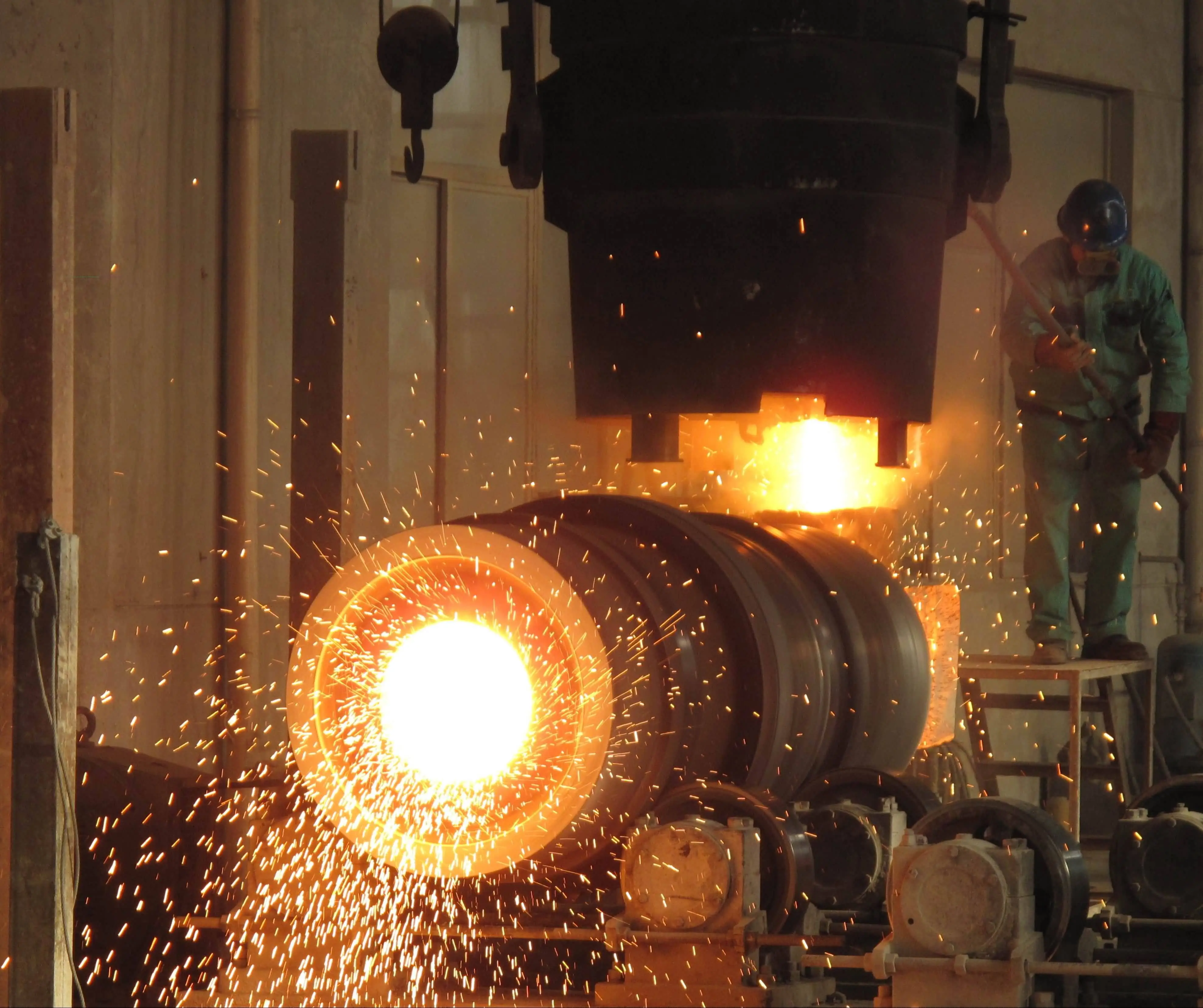
For constant chemical content, electric arc furnace melting gives you exact control over temperature and compositional correctness. Ladle polishing methods like degassing and inclusion removal make sure that the steel is clean and has few dangerous elements. Pouring methods and mold design affect how solids form, which in turn affects how elements are separated and how regular the microstructure is. For very important uses that need the highest level of reliability, advanced casting methods like vacuum casting make the casting even cleaner and lower the amount of gas that is present.
Role of Heat Treatment in Modifying Elemental Effects
Heat treatment methods bring out the best in the good effects of alloying elements while reducing their bad effects as much as possible. Normalizing processes smooth out the structure of the grains and even out differences in the makeup caused by casting. Based on the elements' make-up, quenching and tempering processes create the best mixtures of strength and toughness. Treatments for stress release lower leftover stresses without changing the way elements affect traits in a big way. The right heat treatment relies on both the material being treated and what it will be used for.
Testing and Inspection Methods for Elemental Content and Quality
Optical emission spectroscopy is a quick and accurate way to check the elements in a product during production or receiving review. X-ray light tests can check the makeup of a surface without damaging it. Mechanical testing proves that the mix of elements gives the material the right qualities, such as tensile strength, yield strength, elongation, and impact toughness. Metallographic analysis shows the substructure and proves that the elements are distributed correctly across the casting sections.
Conclusion
Understanding elemental composition and functions in Cast steel empowers procurement professionals to make informed decisions that balance performance requirements with cost considerations. Each element contributes specific properties that collectively determine suitability for diverse industrial applications. Successful procurement depends on matching elemental composition to functional needs while partnering with certified suppliers capable of consistent quality delivery. The investment in understanding these relationships pays dividends through improved component performance, reduced field failures, and optimized total cost of ownership across the component lifecycle.
FAQ
Q1: How does carbon content affect the durability of cast steel parts?
A: Carbon directly influences the hardness and strength of cast steel components, with higher carbon content providing increased wear resistance and strength. However, excessive carbon levels can reduce impact toughness and increase brittleness, potentially compromising durability under dynamic loading or impact conditions. Optimal carbon content balances strength requirements with necessary toughness for long service life in the intended application.
Q2: Why is manganese important in cast steel production?
A: Manganese serves multiple critical functions, including deoxidation during melting, sulfur control through sulfide formation, and enhancement of hardenability for improved mechanical properties. It also improves hot working characteristics during casting and contributes to overall toughness and tensile strength in the final component, making it essential for reliable cast steel performance.
Q3: How can I ensure the cast steel I purchase meets specified elemental standards?
A: Working with certified suppliers who maintain ISO quality systems and provide material test certificates ensures compliance with elemental specifications. Verify that suppliers utilize spectroscopic analysis for composition verification and maintain documented quality control procedures. Request material certificates that show actual elemental analysis results compared to specified requirements for each batch of components.
Partner with Welong for Premium Cast Steel Manufacturing
Welong brings over two decades of expertise in precision cast steel manufacturing, serving global clients across automotive, aerospace, oil drilling, and medical device industries. Our ISO 9001:2015 certified facility maintains strict elemental composition controls and comprehensive testing protocols to ensure consistent quality in every component. We specialize in custom cast steel parts manufactured to your exact specifications, whether from detailed drawings or sample components requiring reverse engineering. Our experienced engineering team utilizes AutoCAD, Pro-Engineering, and SolidWorks to optimize designs for castability while maintaining required elemental composition and mechanical properties. With proven supply chain expertise serving over 100 customers across North America, Europe, and Asia-Pacific regions, we understand the critical importance of reliable quality and on-time delivery for your operations. As your trusted cast steel supplier, we combine competitive pricing with technical excellence to support your procurement objectives and enhance your product performance. Contact us at metal@welongpost.com to discuss your cast steel requirements and discover how our manufacturing capabilities can optimize your sourcing strategy.
References
1. Campbell, John. "Complete Casting Handbook: Metal Casting Processes, Metallurgy, Techniques and Design." Second Edition, Butterworth-Heinemann, 2015.
2. Blair, Malcolm. "Steel Castings Handbook: Supplement 8 - High Alloy Data Sheets: Corrosion Series." Steel Founders Society of America, 2004.
3. Krauss, George. "Steels: Processing, Structure, and Performance." ASM International, 2015.
4. Monroe, Raymond W. "Risering Steel Castings: Steel Founders' Society Research Report." American Foundry Society, 2005.
5. Bhadeshia, H.K.D.H. and Honeycombe, Robert. "Steels: Microstructure and Properties." Fourth Edition, Butterworth-Heinemann, 2017.
6. Steel Founders' Society of America. "Engineering Properties of Steel Castings: A Guide for Engineers and Designers." Steel Founders' Society of America, 1995.