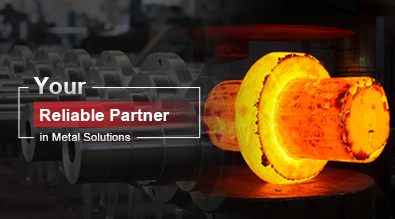
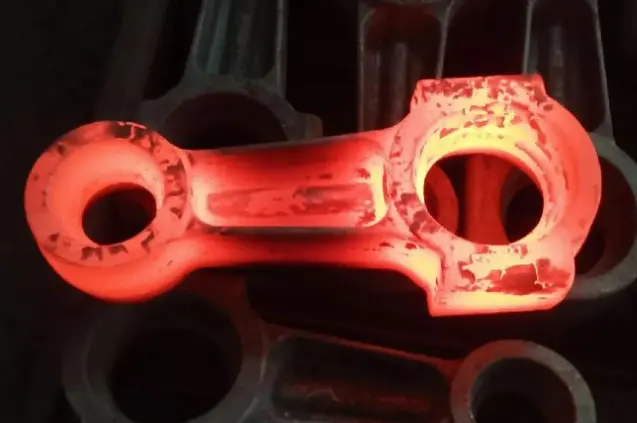
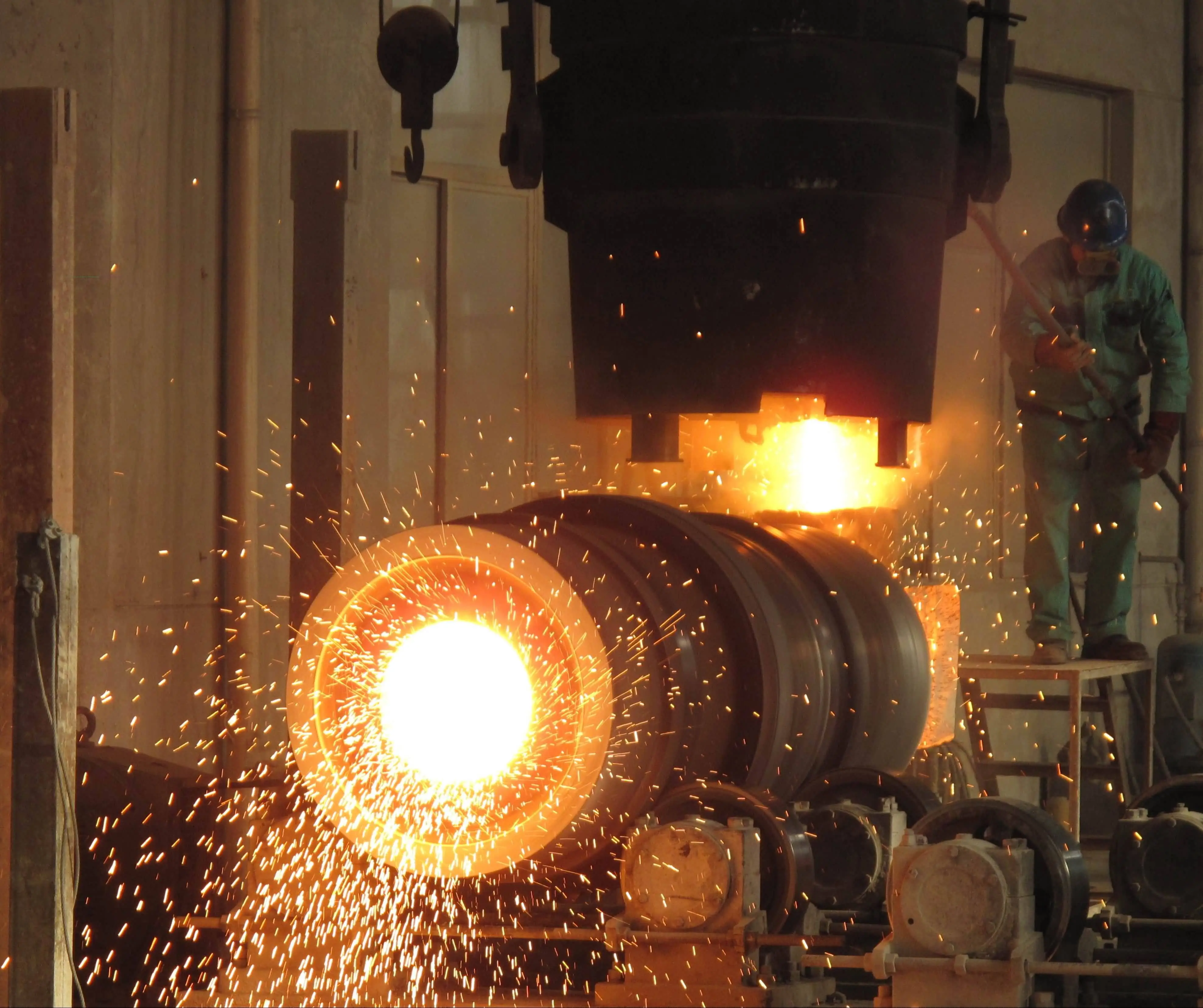
A very important part of making is surface heat treatment, which makes metal parts much more useful in a wide range of industrial settings. This special treatment changes only the top layer of metal parts, leaving the core material qualities the same. This makes it perfect for parts that need to be very durable and resistant to wear. Using these methods on castings, forgings, shafts, and guide rail products has changed how makers think about how to make parts last longer and work more efficiently in harsh conditions.
Understanding Surface Heat Treatment and Its Applications in Metal Components
When metal parts are subjected to surface heat treatment, only the top layer is hardened. This makes the parts last longer and fight wear and rust better without changing their core properties. In contrast to heat treatment, which changes the whole part, surface methods focus on practical areas that need the most power.
Primary Treatment Methods for Industrial Components
Modern manufacturing relies on a number of tried-and-true surface cleaning methods, each of which has its own benefits for certain uses. These methods were created to deal with the fact that different businesses have different material needs and part shapes. One of the most common methods is induction hardening, which works especially well for shafts and guide rails where exact depth control is needed. This method uses electromagnetic induction to quickly heat certain areas, which lets you harden only those areas without changing the structure of the whole part. The process usually gets hardness levels between 1.5 and 6 mm, which makes it perfect for parts that need a tough core and a harder surface. During nitriding processes, nitrogen is added to the top layer. This makes nitride materials that are very hard and resistant to wear. This process works especially well for aircraft parts and high-precision medical device parts that need to stay the same size. The process takes place at low temperatures, which keeps warping to a minimum while reaching surface hardness values of up to 1200 HV.
Material-Specific Applications and Benefits
Different types of metal react differently to different treatment methods. This means that the right process must be carefully chosen based on the material's makeup and its intended use. Case hardening methods make a secure top shell while keeping the core tough, which is very good for steel casts. Induction hardening is often used to improve the wear resistance of forged parts in key contact areas. When medium carbon steels are used to make guide rails, they are usually flame or induction hardened to get the best mix of surface hardness and core strength. This mix gives the material great wear resistance even when it's moving against something, and it keeps the core tough so it doesn't break in a catastrophic way.
Bottlenecks and Challenges in Surface Heat Treatment Processes
Surface heat treatment has some benefits, but it also has some technical and practical problems that can affect the quality of parts and the speed of production. Knowing these limits helps producers choose the right process and figure out how to put it into action.
Temperature Control and Uniformity Issues
One of the biggest problems in surface treatment is still keeping the temperature just right in places with complicated shapes. Temperature changes that cause uneven hardness distribution often happen in large shafts and long guide rail sections. This unevenness can cause areas that are softer to wear out faster and cause stress to build up in areas where the hardness changes. Using traditional heating methods makes it hard to keep the temperature even, especially on parts with complex shapes or cross-sections that change. Differential thermal expansion can be caused by differences in temperature, which can lead to warping that needs expensive grinding after treatment.
Material-Specific Limitations and Distortion Control
Different metal types react differently to surface heat treatment, which makes it hard to get the same results from different amounts of material. If working factors are not carefully controlled, high-carbon steels may become microstructurally weak. On the other hand, low-carbon materials may not reach a hardness depth that is sufficient for demanding uses. Another big problem is that the cleaning process can deform the parts, which is especially bad for precise parts that need to be very accurate in their measurements. Rapid heating and cooling can cause thermal forces that can lead to bending, especially in long, thin parts like guide rails and shafts. This distortion usually calls for more fixing steps or bigger cutting tolerances.
Energy Consumption and Environmental Considerations
More and more pressure is being put on modern industry to use less energy and have less of an effect on the earth. Using traditional ways to treat surfaces often needs a lot of energy, especially when doing a lot of them at once. Heating and cooling processes are needed for treatment to work, and they can use a lot of gas or power, which can raise the cost of production and leave a bigger carbon footprint.
Strategies to Overcome Surface Heat Treatment Bottlenecks
As surface heat treatment technology has improved, new creative solutions have been created to get around many of the problems that existed in the past. These solutions also make the process more efficient and improve the quality of the parts. Because of these changes, producers now have more ways to improve their production skills.
Advanced Control Systems and Process Optimization
Modern automatic induction systems have advanced temperature tracking and feedback control systems that make sure the results are the same from one production run to the next. These systems use computer-controlled power regulation and real-time temperature tracking to keep exact heating patterns. This makes it much less likely that the depth and spread of hardness will change. Recently, laser strengthening has become a very accurate option for parts that need to be treated only in certain areas. This method gives you great control over the amount of heat that goes in and the areas that are affected. This makes it perfect for complicated shapes and high-precision tasks. The process gets rid of many of the distorting problems that come with traditional ways and makes them easier to repeat.
Case Studies from Aerospace and Automotive Applications
Recent uses in aircraft show that better plasma nitriding methods have increased the life of parts by up to 300% while cutting the time needed for treatment by 40%. These improvements come from being able to better control process parameters and learn more about how materials react. Automotive companies have successfully set up combined heat treatment lines that change the surface of parts in more than one way all at once. This method cuts down on the time needed for handling, prevents warping through controlled temperature cycles, raises the quality of the final product, and lowers the cost of production.
Selecting the Right Surface Heat Treatment Service and Equipment
To pick the right surface heat treatment service, you need to carefully consider a number of factors that have an immediate effect on the quality of the parts, the timeliness of deliveries, and the long-term success of the relationship. Knowing these factors helps people who work in buying make choices that are in line with their practical needs.
Technical Capabilities and Quality Certifications
When looking at possible partners, the first thing to do is check out their professional knowledge and tools. Modern treatment centers should have advanced process control systems, a wide range of testing tools, and clear quality management methods that are written down. If a company has ISO 9001:2015 approval, it means that they follow structured quality control and ongoing growth methods. The quality and regularity of treatment are greatly affected by the age and level of technology of the equipment. Modern induction heating systems with computer-controlled power sources usually give better results than older equipment that has to be handled manually. If a company offers mechanical testing, such as hardness testing and microstructural analysis, it shows that they are dedicated to quality assurance.
Geographic Accessibility and Supply Chain Integration
Being close to a place changes how much it costs to move, when deliveries happen, and how well people can talk to each other. But when trying to find the best balance between geographical ease, scientific skills, and cost-effectiveness, it's common to have to look at companies from different areas. Clear communication rules and well-defined quality standards are often the key to building relationships that work, no matter how far apart the partners are geographically.
Enterprise Introduction and Our Product & Service Solutions
Welong has spent more than 20 years creating complete metalworking systems that meet the changing needs of industrial makers around the world. Since we started our business in 2001, we've focused on making custom metal goods for a wide range of fields, from oil and gas digging to aerospace and high-tech medical devices.
Our Surface Treatment Expertise and Capabilities
Our engineering team has a lot of experience making heat treatment methods work better for a wide range of component types and material requirements. We use modern CAD tools like AutoCAD, Pro-Engineering, and SolidWorks to help us plan processes and improve designs. We can work straight from customer plans and samples thanks to this technical ability. We can also give useful engineering feedback for better design. Our ISO 9001:2015-certified processes make sure that the product is always the same and that shipping times are always met. Over 100 happy customers in Europe, North America, and the Asia-Pacific region have become long-term friends with us thanks to our excellent technical skills and clear communication.
Integrated Supply Chain Solutions
In addition to treating each component separately, we offer full supply chain management services that include finding new suppliers, overseeing purchases, and checking the quality of the goods. Our clients can access cost-effective, high-precision production skills from China's strong industrial base through this combined method, which lowers the risks of buying.
Conclusion
Surface heat treatment is still an important part of making metal casts, forgings, shafts, and guide rails work better and last longer in many important industry settings. Traditional methods have some problems with controlling temperature, making sure results are regular, and having an effect on the environment. But new technologies are constantly coming out that solve these problems. Using these methods successfully depends on picking the right partners who have the technical know-how, tried-and-true quality management systems, and quick customer service.
FAQ
Q1: What factors determine the best surface heat treatment method for a metal component?
A: The optimal treatment method depends on material composition, required hardness depth, component geometry, and intended application. Carbon content significantly influences process selection, with high-carbon steels responding well to induction hardening while low-carbon materials may require nitriding for adequate surface hardness. Component size and shape also affect feasibility, as complex geometries may necessitate laser or plasma treatments for precise control.
Q2: How does surface heat treatment improve wear resistance for guide rail products?
A: Surface treatment creates a hardened outer layer that resists abrasive wear while maintaining core toughness to prevent cracking under load. For guide rails, this combination provides extended service life under continuous sliding contact while preserving dimensional accuracy. The treatment typically increases surface hardness to 55-62 HRC, significantly reducing wear rates compared to untreated materials.
Q3: What are the typical lead times and cost ranges for contracting surface heat treatment services?
A: Lead times generally range from 2-4 weeks, depending on component complexity, batch size, and treatment method. Simple induction hardening operations may complete within one week, while specialized processes like plasma nitriding require longer cycles. Costs vary significantly based on component size, treatment complexity, and volume, making detailed quotations essential for accurate project planning.
Partner with Welong for Advanced Surface Heat Treatment Solutions
Welong stands ready to support your surface heat treatment requirements with our comprehensive manufacturing expertise and proven quality systems. Our experienced engineering team can optimize treatment processes specifically for your applications while ensuring compliance with international standards. Whether you need customized metal components or complete supply chain solutions, our ISO 9001:2015 certified operations deliver reliable results that meet your performance expectations. As a trusted surface heat treatment supplier, we combine technical excellence with responsive customer service to support your production goals. Contact us at info@welongpost.com to discuss your specific requirements and discover how our capabilities can enhance your manufacturing operations.