For 42CrMo4 molds, forgings, gear discs, and gear shafts, heat treatment processing technology is an important engineering answer that turns raw steel parts into high-performance parts for tough industrial uses. This low-alloy steel has great dynamic qualities thanks to precise heat processing steps that control the growth of the microstructure. It is made of chromium and molybdenum. By carefully choosing the right heat treatment settings, 42CrMo4 parts can have better tensile strength, better resistance to stress, and the best wear properties that are needed for gears in cars, parts for spacecraft, and heavy machinery. As businesses push for better performance standards while keeping costs low, understanding heat treatment technology becomes more and more important. To choose parts that meet strict practical standards in a wide range of industries, procurement managers and engineering teams need to know a lot about these heat processing methods.
Understanding 42CrMo4 Steel and Its Heat Treatment Requirements
42CrMo4 is a flexible low-alloy steel that is known for having a balanced chemical makeup with 0.38 to 0.45% carbon, 0.90 to 1.20% chromium, and 0.15 to 0.30% molybdenum. This mix of elements makes a material matrix that answers very well to controlled heat treatment methods. This lets specific mechanical qualities form that are perfect for the needs of the component.
Chemical Composition and Microstructural Characteristics
The chromium in 42CrMo4 makes it easier to harden and less likely to rust. The molybdenum add-ons make it stronger at high temperatures and keep it from becoming rigid during heat treatment processes. Carbon levels provide the basic hardening ability needed to make areas on gears and shafts that don't wear down easily. Knowing how these elements interact with each other helps buying teams choose the right heat treatment methods that keep the dimensions of the component stable while improving its performance.
International Standards and Quality Compliance
42CrMo4 steel meets many foreign standards, such as EN 10083-3, DIN 1.7225, and AISI 4140, similar types. This makes sure that the quality is the same all over the world's supply lines. These uniform standards spell out the limits for chemical makeup, the mechanical properties that must be met, and the best ways to heat treat the material. Following ISO 9001:2015 quality control systems during production and heat treatment gives extra security for important uses in the aircraft, automobile, and medical device industries.
Heat Treatment Processes Tailored for 42CrMo4 Components
To heat treat 42CrMo4 parts effectively, you need to follow a set process with several steps that are meant to improve their mechanical qualities while keeping their dimensions accurate. Each step in the working process has its own metallurgical goals, which are met by turning raw steel into precision-engineered parts that can work in harsh circumstances.
Pre-Treatment and Preparation Procedures
A successful heat treatment starts with fully preparing the part, which includes cleaning the surface, heating to relieve stress, and checking the dimensions. Pre-treatment steps get rid of surface contaminants that could get in the way of even heating patterns and any leftover stresses from the cutting process. Stress relief annealing at temperatures between 550°C and 650°C lowers the stress inside the metal while keeping it easy to work with in the final stages of processing.
Core Heat Treatment Methodologies
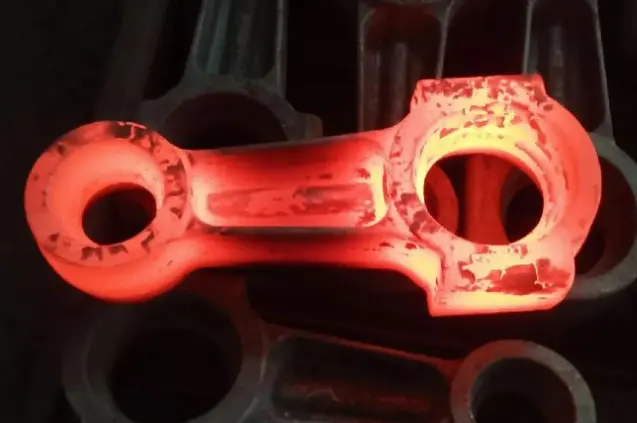
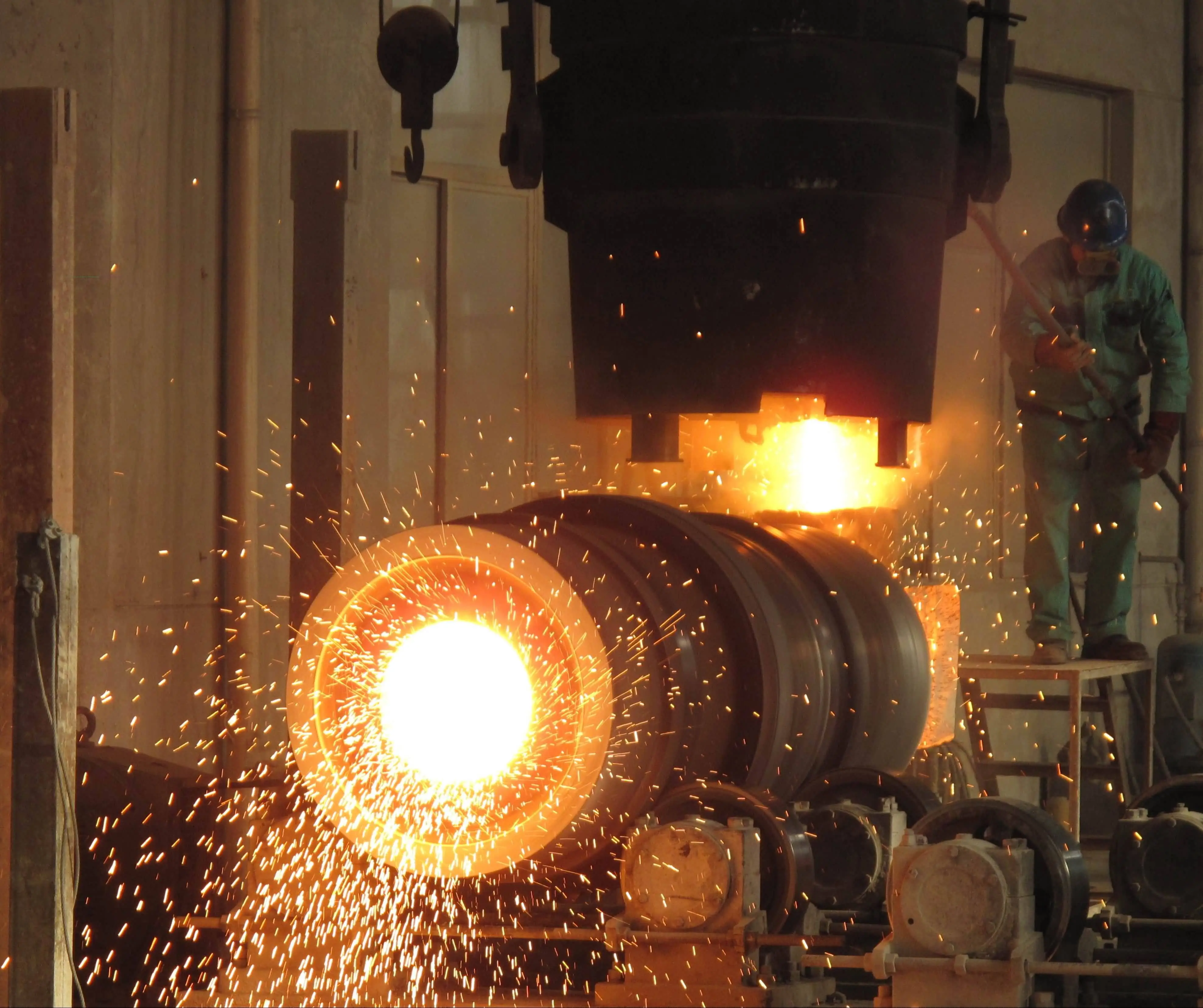
To get the mechanical qualities you want, 42CrMo4 parts go through a basic heat treatment cycle that includes controlled austenitization, fast cooling, and exact hardening. Here are the important steps in the process that determine if the heat treatment worked or not:
- Austenitization heating to 830-860°C creates a uniform austenitic grain structure essential for subsequent hardening operations
- Quenching in oil or water-based media develops a martensitic microstructure, providing maximum hardness and strength characteristics
- Tempering at 400-650°C balances hardness with toughness while reducing internal stresses that could cause component failure
- Surface hardening techniques, such as induction heating, create wear-resistant surfaces while maintaining ductile core properties
These processing stages require precise temperature control and timing to achieve consistent mechanical properties across production batches. Modern heat treatment facilities utilize computer-controlled furnaces and automated quenching systems to ensure repeatability and quality consistency.
Advanced Heat Treatment Technologies
Modern heat treatment centers use controlled oxygen and vacuum processes to improve the quality of parts while lowering the effects of rust and decarburization. Vacuum heat treatment gets rid of air pollution during high-temperature processing, which makes the surface better and keeps the shape more stable. These advanced techniques are especially helpful for precision gear parts where the quality of the surface has a direct effect on how well they work and how long they last.
Optimizing Performance Through Heat Treatment Parameters
To get the best mechanical qualities from 42CrMo4 parts, you need to carefully control important heat treatment factors like temperature profiles, heating rates, holding times, and cooling methods. These factors have a direct effect on the end microstructure development and the dynamic properties that make a part suitable for a certain application.
Temperature Control and Timing Optimization
Choosing an austenitizing temperature between 830°C and 860°C changes the growth of grains and the breakdown of carbides, which has a direct effect on how hard the material becomes and its final mechanical properties. Longer holding times at the austenitizing temperature help make sure that the temperature is the same across all of the cross-sections of the component. On the other hand, too much contact can cause grain growth, which lowers the impact hardness. Using regulated thermocouples to keep an eye on temperatures accurately ensures that working conditions are the same from one batch of products to the next.
Quenching Media Selection and Cooling Rate Management
The choice of quenching medium has a big effect on how fast 42CrMo4 parts cool and how their microstructure develops as a result. Oil quenching cools metals at modest rates that make them good for complex shapes while reducing the risk of warping. Water quenching, on the other hand, makes metals as hard as possible but also makes them more likely to crack and change size. Polymer quenchants offer medium cooling rates and better shape stability for precision parts that need to be made with close tolerances.
Tempering Temperature Optimization for Specific Applications
Choosing the right tempering temperature has a direct effect on how hard or tough finished parts are. Lower tempering temperatures, around 400–450°C, make the metal harder for wear-resistant uses, while higher temperatures, around 650°C, make the metal tougher for shock-loaded parts. When buying, teams know what the specific needs of an application are, they can set the right setting conditions to get the best performance and service life from components.
Comparative Insights: 42CrMo4 vs Other Alloy Steels in Heat Treatment
To choose the right steel types for important parts, you need to know how the different alloys compare in terms of performance and how they react to heat treatment. There are clear benefits to using 42CrMo4 in certain situations, while other types may work better in other operating settings.
Performance Comparison with Common Alternatives
Compared to AISI 4140, 42CrMo4 has the same ability to strengthen, but its high-temperature strength is slightly higher because molybdenum has been added. EN24 steel is stronger, but it needs to go through more complicated heat treatment processes and usually costs more. The 34CrMo4 grade is similar in how it can be processed, but it has less carbon, which lowers the highest level of hardness that can be reached.
Heat Treatment Complexity and Lead Time Considerations
The need for heat treatment has a big effect on production schedules and the cost structures of parts. Standard heat treatment processes with regular processing times work well with 42CrMo4. More complicated types may need longer cycle times or special tools. To get the best results for the whole project, procurement choices need to match technical performance standards with delivery dates and price limits.
Practical Guidance for Procurement and Collaboration with Suppliers
To successfully buy 42CrMo4 parts that have been heat-treated, you need to carefully evaluate each supplier's technical skills, quality control systems, and process control methods. Setting clear specs and communication rules reduces the risks of buying while maintaining uniform component quality.
Supplier Qualification and Assessment Criteria
Suppliers that are qualified show that they have ISO 9001:2015 certification, controlled heat treatment facilities, and a wide range of testing tools, such as the ability to check mechanical properties and do metallographic analysis. The process paperwork should have thorough steps for heat treatment, tools for keeping track of temperatures, and statistical process control methods that make sure quality is always delivered. Since 2001, Welong has had strict quality standards and has worked with top companies in the aircraft, medical device, and automobile industries. Our ISO 9001:2015-certified methods make sure that the quality of the heat treatment is always the same, and our engineering team uses AutoCAD, Pro-Engineering, and SolidWorks to help with design optimization. We use plans and models that you send us to make sure that the parts you order are exactly what you want.
Conclusion
Heat treatment processing technology for 42CrMo4 casts, forgings, gear discs, and gear shafts is an important skill that turns ordinary steel parts into high-performance engineering solutions. To achieve regular quality results, knowing the properties of the materials, optimizing the process, and working together with suppliers are all necessary for a successful application. Professionals in procurement need to know a lot about heat treatment factors and how different materials work in order to make smart buying choices that balance technical needs with business goals.
FAQ
Q1: What is the ideal tempering temperature for 42CrMo4 to maximize fatigue life?
A: The optimal tempering temperature for maximizing fatigue life in 42CrMo4 typically ranges from 550°C to 600°C, which provides an excellent balance between strength and toughness while maintaining good ductility for cyclic loading conditions.
Q2: Can 42CrMo4 steel be welded after heat treatment without compromising properties?
A: Yes, 42CrMo4 can be welded after heat treatment, but the heat-affected zone will require post-weld heat treatment to restore optimal mechanical properties and relieve welding stresses.
Q3: How does the quenching medium affect the final hardness and toughness of 42CrMo4?
A: Faster cooling rates from water quenching achieve maximum hardness but may reduce toughness and increase distortion risk, while oil quenching provides moderate hardness with improved toughness and dimensional stability.
Partner with Welong for Premium 42CrMo4 Components
Ready to secure reliable 42CrMo4 supplier partnerships that deliver consistent quality and performance? Welong combines two decades of manufacturing expertise with advanced heat treatment capabilities to provide customized metal components meeting your exact specifications. Our global supply chain management and engineering support services help reduce sourcing risks while ensuring on-time delivery to markets across Europe, North America, and Asia-Pacific. Experience the advantage of working with a trusted 42CrMo4 manufacturer committed to long-term partnerships and technical excellence. Contact us at metal@welongpost.com to discuss your component requirements and receive a comprehensive solution proposal.
References
1. ASM International Handbook Committee. "Heat Treatment of Steel: Principles and Practice of Heat Treating." ASM International Materials Handbook, Volume 4, 2018.
2. Bhadeshia, H.K.D.H. and Honeycombe, Robert. "Steels: Microstructure and Properties, Fourth Edition." Butterworth-Heinemann Engineering Materials Series, 2017.
3. Thelning, Karl-Erik. "Steel and Its Heat Treatment: Bofors Handbook." Second Edition, Butterworths Technical Publications, 2016.
4. Krauss, George. "Steels: Processing, Structure, and Performance, Second Edition." ASM International Publishing, 2019.
5. Callister, William D. and Rethwisch, David G. "Materials Science and Engineering: An Introduction, Tenth Edition." John Wiley & Sons Engineering Textbooks, 2018.
6. Brooks, Charlie R. "Principles of the Heat Treatment of Plain Carbon and Low Alloy Steels." ASM International Heat Treatment Series, 2017.