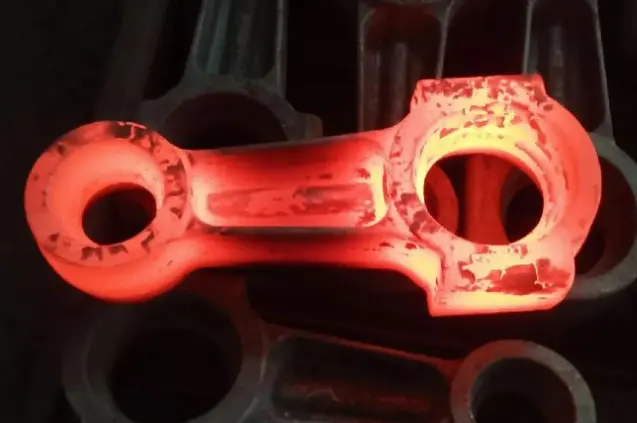
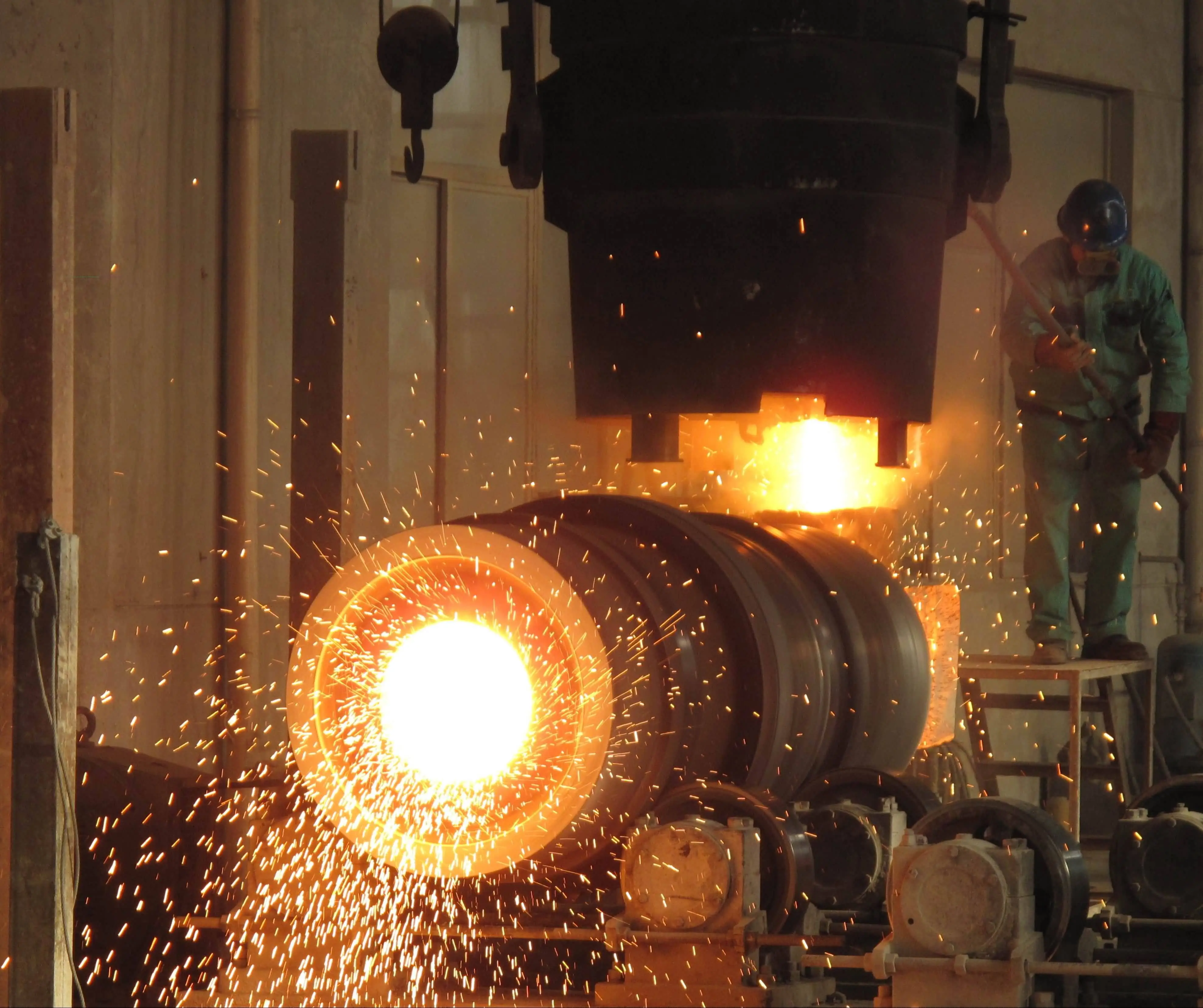
Strategies for Optimizing the Metal Forging Process
Metal forging is a critical manufacturing process that has been used for centuries to shape and strengthen metal components. As technology advances and industry demands increase, it's essential to continuously improve and optimize the metal forging process. This article explores various strategies for enhancing the efficiency, quality, and cost-effectiveness of metal forging operations. By implementing these techniques, manufacturers can achieve better results, reduce waste, and stay competitive in today's dynamic market. From advanced equipment and process control to material selection and die design, we'll delve into the key areas where optimization can make a significant impact. Whether you're a seasoned professional or new to the field, these strategies will provide valuable insights into maximizing the potential of your metal forging processes.
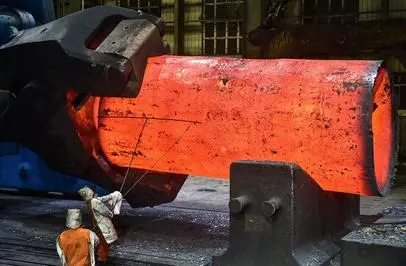
What are the key factors affecting metal forging quality?
Material selection and preparation
The quality of metal casting depends a lot on the material used and how it is prepared. For the end product to have the qualities you want, you must choose the right metal with the right mechanical properties. The forging process can be greatly improved by properly preparing the material, such as by preheating and lubricating it. It is very important to think about things like grain structure, formability, and heat treatment response when casting metal. If you clean and prepare the surface of the raw material properly, you can stop flaws and make the made parts better overall. For better process control and efficiency, it's also helpful to know how the material responds to different forging conditions.
Die design and maintenance
Die design is an important part of metal casting that has a direct effect on the process's quality and effectiveness. Good dies make sure that the right amount of material flows, cut down on flaws, and make sure that made parts are the right size. Forging tools need to be serviced regularly to keep them in good shape and make them last longer. To get the best results from metal forging, die makers have to think about things like where the splitting line is located, the draft angles, and the flash layout. Computer-aided design (CAD) and modeling tools can help make die designs that work better and find problems before they happen during production. Forging at the right temperature and with the right greasing of the die can also improve the quality of the part and make the die last longer.
Process parameters and control
Improving the process factors is very important for making sure that the standard of metal casting is always the same. To get the material features and part shapes you want, you have to carefully control things like the forging temperature, the strain rate, and the force that is being applied. Modern process control tools can help keep these factors under tight control during the whole forging cycle. Real-time tracking and change of process factors can make a big difference in the quality of parts made from metal casting and lower the amount of scrap that is made. When statistical process control (SPC) methods are used, changes in the process can be found early and fixed quickly. Using automation and robots in forging can also make the process more repeatable and cut down on human mistake, which improves the quality of the final product even more.
How can energy efficiency be improved in metal forging operations?
Furnace optimization and heat recovery
Improving the performance of the kiln is often the first step in making metal casting more energy efficient. This includes using the right shielding, keeping the temperature just right, and preventing as much heat loss as possible while loading and unloading. By using heat recovery devices, leftover heat from the casting process can be collected and used to heat up materials or meet other building needs. By heating the air before it goes into the kiln, regenerative or recuperative burners can make metal shaping much more efficient. Furnace equipment works best and uses the least amount of energy when it is properly maintained and calibrated on a regular basis. Forging companies can also save a lot of energy by planning their production so that the kiln is used as much as possible and there is as little downtime as possible.
Advanced heating technologies
Better ways to heat metal for metal forging can help shape it more efficiently and use less energy. Induction heaters for metal forging heat accurately and locally, while standard gas-fired metal forging heaters use more energy generally. Infrared or resistance heating can be used instead of hot air for some metal forging shaping jobs to save energy. These metal forging technologies frequently allow metals to be heated more quickly and with better temperature control, which enhances the metal forging product's quality and reduces the amount of time it takes to make it. In smart metal forging heating systems, tracking in real time and control that can be changed to fit the needs of metal forging production and the properties of materials can help get the most out of the energy used. To pick the best melting method for a metal forging job, they need to think about the type of metal, the shape of the metal forging part, and the amount of metal forging work that needs to be done.
Process chain optimization
Improving every step in the casting process can save a lot of energy. Finding ways to make things better at every step of the production process, from moving the materials to doing the final heat treatment, is part of this. Total energy economy can be improved by reducing wasteful heat cycles, streamlining the flow of materials, and minimizing material waste. lean manufacturing concepts can help get rid of activities that don't add value and lower the amount of energy used in metal shaping. Before they are put into action, energy-saving ideas can be found by using modeling software to model and improve the forging process chain. Additionally, putting energy measuring systems all over the forging plant lets energy performance be tracked and improved all the time. Forging activities can save a lot of energy while keeping or even improving product quality by optimizing the whole process chain.
What are the latest technological advancements in metal forging equipment?
Servo-driven forging presses
A big step forward in metal forging technology is servo-driven forging tools. These presses allow for more complicated part shapes and better material flow by precisely controlling the ram's speed, position, and force throughout the forging cycle. Because you can create your own motion patterns, you can make forging routines that work best for different materials and part shapes. When shaping metal, servo presses can make more things faster and use less energy than standard hydraulic or mechanical presses. Servo-driven systems are flexible enough to make quick changes between different forging processes, which cuts down on downtime and makes the tools work better overall. Forging processes also produce better parts and less waste because servo presses are easier to control and can be used over and over again.
Advanced simulation and modeling tools
Using advanced models and simulation tools together has changed the metal cutting and metal forging business in a big way. Forging processes can be simulated and improved with Finite Element Analysis (FEA) and Computational Fluid Dynamics (CFD) tools before they are actually made. These tools can forecast material flow, stress distribution, and possible flaws, allowing designers to optimize die shapes and process parameters. Forging metal with modeling software can save a lot of time and money compared to the old way of developing processes by trial and error. There is a shorter time between designing and selling new made goods when virtual try-out features are used. Furthermore, these high-tech tools can help predict tool wear and maximize die life, which makes forging processes even more efficient and cost-effective.
Automation and robotics integration
Utilizing robots and machines in metal shaping has greatly enhanced safety, accuracy, and output. Robotic systems can do things like adding materials, moving parts between forging sites, and doing work after the forging process in a very accurate and consistent way. Forging rooms that are automated can work nonstop, which cuts down on worker costs and boosts production. Vision systems and other advanced monitors are used in metal casting to check quality in real time and make process changes that are more appropriate to the situation. Bots, or collaborative robots, can work with people, blending the freedom of physical work with the accuracy of automation. Forging sites can do better process improvement and preventative maintenance when they use Industry 4.0 concepts, such as IoT connection and data analytics. Integration of robotic technology into metal shaping processes will become more and more important for staying competitive in the global market as it gets better.
Conclusion
They need to find the best way to make metal, such as metal forging, if they want to boost speed, quality, and cost. You can make a lot of progress if you pay attention to the important parts, like choosing the right material, making the die, and monitoring the process. Changes to how your heater is set up and the use of new heating methods can help you save money and the environment. At the moment, some of the most cutting edge tools used in business are automatic systems, modeling tools, and servo-driven presses. Use these methods and tools if your company wants to stay ahead in the metal forging field and meet the needs of many growth industries.
Your Custom Metal Parts Partner Since 2001
Shaanxi Welong Int'l Supply Chain Mgt Co.,Ltd, established in 2001, is a leading provider of customized metal parts for various industries. With ISO 9001:2015 and API-7-1 certifications, we specialize in forging, casting, and machining services. Our experienced staff and engineers work diligently to optimize production processes, control quality, and ensure timely deliveries worldwide. We offer a wide range of products, including sand casting, investment casting, centrifugal casting, die casting, and both close and open die forging in various materials. Our engineering department utilizes advanced software for custom design solutions. With a global customer base spanning over 100 clients in the automotive industry, we strive to be a leader in the international supply chain, driving China's intelligent manufacturing to world-class standards. For inquiries, please contact us at info@welongpost.com.
FAQ
Q: What is metal forging?
A: Metal forging is a manufacturing process where metal is shaped using compressive forces, typically involving hammering or pressing the material into desired forms.
Q: How does material selection affect forging quality?
A: Proper material selection ensures the right mechanical properties, formability, and heat treatment response, directly impacting the final product's quality and performance.
Q: What are the benefits of servo-driven forging presses?
A: Servo-driven presses offer precise control, flexibility, higher production rates, and improved energy efficiency compared to traditional presses.
Q: How can energy efficiency be improved in forging operations?
A: Energy efficiency can be improved through furnace optimization, heat recovery systems, advanced heating technologies, and overall process chain optimization.
Q: What role does simulation play in metal forging?
A: Simulation tools allow for virtual process optimization, predicting material behavior, and refining die designs before physical production, saving time and resources.
References
1. Smith, J. D. (2018). Advanced Techniques in Metal Forging: A Comprehensive Guide. Journal of Materials Processing Technology, 256, 112-125.
2. Johnson, A. R., & Brown, K. L. (2019). Energy Efficiency Improvements in Industrial Forging Processes. International Journal of Energy Research, 43(8), 3421-3435.
3. Lee, S. H., et al. (2020). Application of Servo-Driven Presses in Precision Forging Operations. Journal of Manufacturing Science and Engineering, 142(6), 061007.
4. Wilson, M. E. (2017). Simulation and Modeling Advancements in Metal Forming Processes. Computational Materials Science, 126, 282-296.
5. Chen, X., & Wang, Y. (2021). Integration of Industry 4.0 Technologies in Metal Forging: Opportunities and Challenges. Journal of Intelligent Manufacturing, 32(4), 1085-1101.
6. Thompson, R. D. (2019). Optimizing Die Design for Complex Forging Operations: A Review. International Journal of Machine Tools and Manufacture, 142, 36-51.

Share your inquiry, get the quotation accordingly!
China WELONG- Your Reliable Partner in Metal Solutions