Production and manufacturing of metal components
Metal parts creation and making are important parts of modern business. These parts are made to power a wide range of things, from medical devices to spacecraft. Aluminum, steel alloys, stainless steel, and other metals are used to make Metal components, which are then carefully shaped through casting, forging, cutting, and pressing. These parts are very important in fields like cars, oil and gas, machinery, and technology, where reliability and efficiency are very important. If supply chain experts know how things are made, how materials work, and how to buy things, they can get high-quality parts that meet strict standards while also cutting costs and speeding up delivery times.
Understanding Metal Components in ManufacturingTypes of Metal Components and Their Industrial Applications
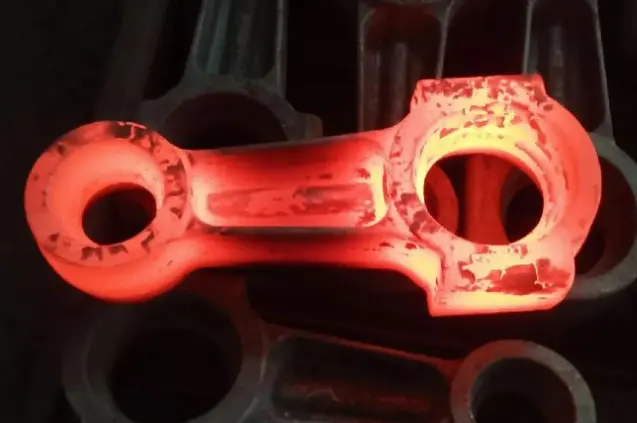
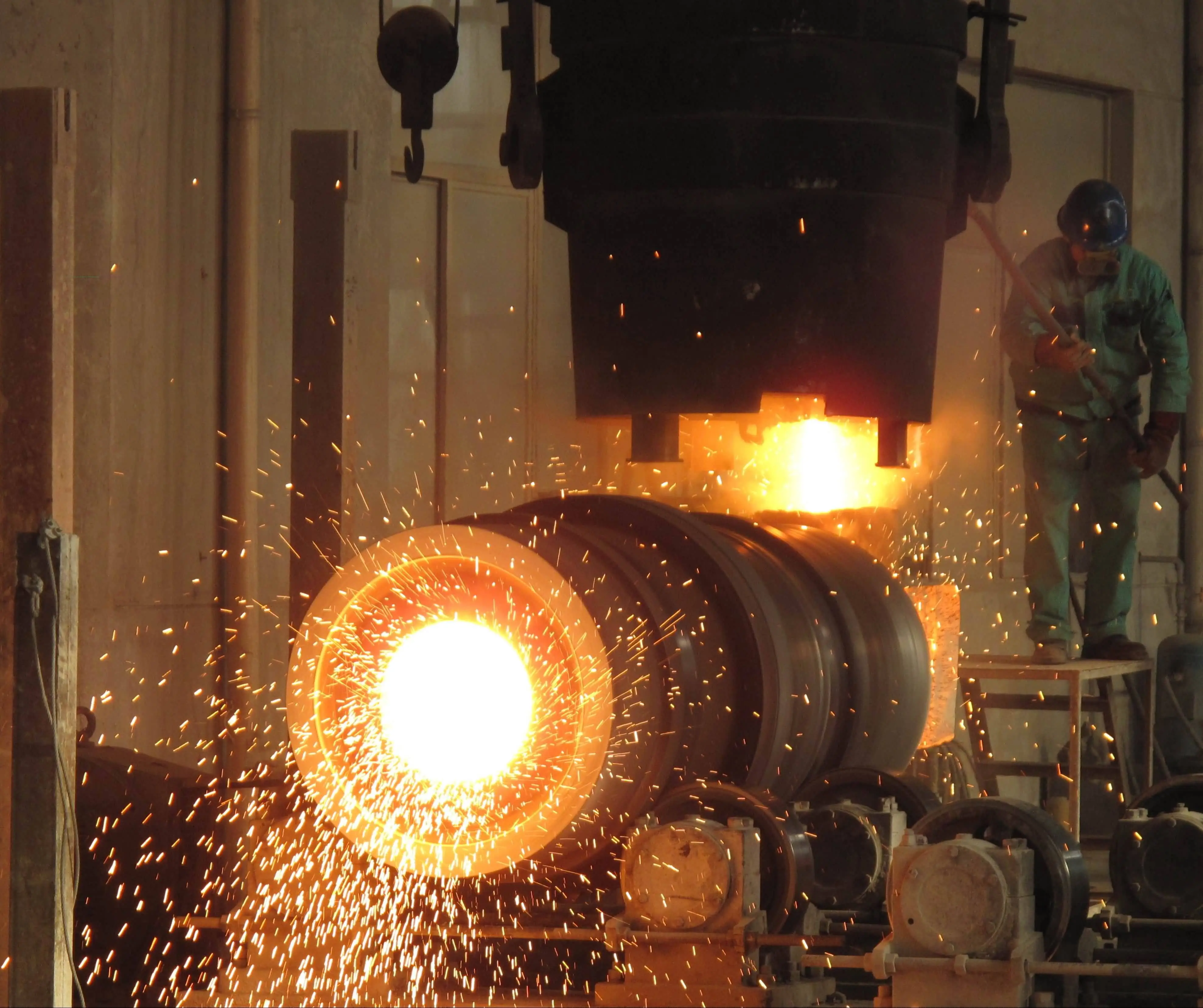
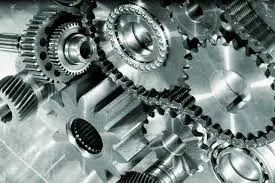
Metal components are a lot of different parts that are made to fit the needs of different businesses. Castings can make complicated forms that can be used for engine blocks and pump housings. Forgings, on the other hand, can make stronger crankshafts for cars and landing gear for planes. For medical equipment and precise tools, parts that are machined can have tolerances that are very close to each other. On the other hand, stamped parts are a cheap way to make a lot of car bodies and doors.
Manufacturers of cars use metal parts in transmissions, suspensions, and supports for the body. The cutting tools, pipes, and valves used in oil and gas work need to not rust and be able to handle high pressures and rough circumstances. Parts used in aerospace have to be strong but not too heavy, and they have to meet strict safety standards. Medical gadget makers need materials that are safe and have perfect finishes on the outside. Because each area has different technical needs, the materials used and how they are made are different too.
Material Properties That Drive Performance
It is important to use stainless steel in chemical processes and sea areas because it doesn't rust or corrode easily. By adding chromium, a safe metal layer is made that stops rust and other damage. This makes the metal last longer, even when things get tough. Aluminum is strong for its weight, which means it can help the transportation industry use less fuel while still being strong. When it comes to building things, carbon steel is a cheap way to get strength, but it needs to be coated to keep it from rusting.
Titanium and Inconel are two specialty metals that are used in places where temperatures are high, like on turbine blades and in exhaust systems. These materials can keep their mechanical properties at high temperatures, where metals would normally break. It's important for parts to be able to handle heat and wear well when they are put through repeated stress or temperature cycles. When buying something, knowing these things about it helps them match what they need with how they will use it in real life.
Metal Versus Plastic: Procurement Considerations
A study of lifecycle costs shows that metal parts are often more valuable, even if they cost more at first. Metals can handle heat and stress changes that break down plastics over and over, so they don't need to be changed as often and have less downtime. This makes it last longer, which is good for heavy-duty industries because it means lower total cost of ownership over longer service times.
Engineered plastics are lighter, which makes them better for some market goods and small devices. But metals are still the best choice when proven performance is needed for things like structure loads, heat management, or following the rules. It's important to weigh budget limits against real risks, since key systems that break down too soon cost a lot more than they save. Because you are looking at the needs of the program, you can make decisions that are fast and save you money.
Metal Components Manufacturing Process: Step-by-StepDesign and Prototyping Phase
If you want to make something easily, you should make sure that the shape of the part is optimized so that it takes less time to cut, less material is wasted, and there are fewer problems during production. Some things that make casting better and lower the risk of flaws are draft angles, even wall thickness, and placing ribs in the right place. Customers and makers work together to review designs and find ways to make them better that balance how helpful they are with how quickly they can be made. In the end, this makes things that work well and don't cost too much.
Material Selection and Preparation
Cutting and preparation steps take raw materials and turn them into shapes that can be used. The right laser cutting, sawing, and shearing methods are used for each type of material and part size. When you prepare your materials the right way, you get clean surfaces and accurate starting numbers that make the next steps in the process easier. The part you make will be as strong as possible if you pay attention to the shape and direction of the material's grain.
Core Manufacturing Techniques
Pieces are added one layer at a time in additive manufacturing, which gives designers more freedom than with subtractive methods. This is a good way to make small amounts of unique Metal components and quick prototypes when the cost of tools would be too high. Each way of making things has its own pros and cons when it comes to number, complexity, cost, and lead time.
Surface Treatment and Finishing Operations
Finishing the surface makes it look better, keeps it from rusting, and adds useful layers that change how wear or friction works. Electroplating adds thin layers of metal that protect the main material and make it look good. Polymer finishes that won't chip or fade are used in powder coating. They are perfect for harsh environments and tools used outside because of this.
Quality Control and Inspection Protocols
Cracks, holes, differences in measurements, and other flaws are carefully checked for on parts before they are sent to customers. Arrange measuring tools so that important measurements are in line with CAD requirements. Keep track of how well they meet margin requirements. Two types of non-destructive testing that can find flaws in a product without damaging any of its parts are ultrasonic examination and imaging.
Design Guidelines and Maintenance for Long-Term PerformanceEngineering Best Practices for Component Design
Coverings that protect against corrosion, switching to stainless steel or a certain alloy, and building features that keep water out of cracks are some ways to stop corrosion. The need to get rid of heat changes the shape of a part by adding air holes, cooling fins, and materials that are good at moving heat around. Making smart design choices in the engineering stages can help you avoid mistakes that cost a lot of money in the field and back up your claims.
Preventive Maintenance Strategies
Moving parts don't break down before they're supposed to because lubrication systems keep them from rubbing against each other, etc. Cleaning gets rid of dirt and other things that make things rust faster or stop them from working right. Environmental controls keep Metal components safe from things like too much water or too low a temperature that aren't right for how they were made.
Lifecycle Value Through Design and Maintenance
When you build something well and take care of it, the equipment lasts longer and breaks down less often, which saves you a lot of money. With reliable parts, production stays on track, which keeps customers happy and saves money on delays that cost a lot. It is safer at work when tools don't break down as often. This is because broken tools could put people in danger.
Procurement Insights: Choosing and Sourcing Metal ComponentsEvaluating Supplier Credentials and Capabilities
It is important for sellers to keep up quality management systems that meet international standards like ISO 9001:2015. This is done by checking their approval. These licenses show that the process is being controlled, documented, and grown in a planned way. Years of success in the same area help people trust that a seller is reliable and knows what they're talking about.
Sustainable business practices that are in line with today's ideals in buying include programs to cut down on waste, responsible material sources, and efforts to save energy. By letting people work together to fix problems, clear supply chains with easy-to-use phone lines and friendly customer service, and lower the risks of buying. Site surveys and capability tests show how much can be made, how up-to-date the tools are, and how good the workers are at keeping their word about quality.
Key Purchasing Considerations
Instead of just going with the cheapest option, pricing systems should be rated on how well they deliver, how well they help customers, and how much they cost. You can deal better and make more accurate budgets if you know what affects prices, such as the type of material used, how hard the manufacturing process is, and how often inspections are needed. Customers who buy more get deals, but these have to be weighed against how much it costs to keep goods on hand and how demand changes.
Parts that are custom-made and need special tools have very different lead times than parts that can be bought right away. You can get fast service and rush solutions if you need them right away, but they generally cost more. It's important to read the contract carefully because the terms of payment, the guarantee, and the return policy all affect how much the buy will cost and how risky it is.
Building Strategic Supplier Partnerships
When a supplier has a long-term relationship with a customer, they can invest in tools that are special to that customer, process optimization, and professional know-how. People who buy from sellers get better deals and faster ordering when they buy the same number of items over and over again. It's easier to make designs that are better when experts work together. These designs also cost less and still work properly.
Being open and honest about changes in specs, quality issues, and estimates of demand helps people understand each other and work together toward the same goals. Suppliers become an extension of their customers' businesses. By giving them expert advice and fixing issues before they happen, suppliers make their customers more competitive. In strategic buying, long-term relationships are more important than one-time deals. This makes the Metal components supply line stronger, which is important for businesses that need to stay open.
Future Trends and Innovations in Metal Component ProductionEmerging Manufacturing Technologies
It keeps getting better to use additive manufacturing. New metal 3D printing technologies can now make things that are bigger, faster, and made of better materials. Because of these features, clothes can be made only when they are needed. This cuts down on the need for stock and makes mass customization possible, which wasn't possible before because it was too expensive. Making complex forms that aren't possible with regular tools lets designers make things that are lighter, stronger, and more useful.
Robots and automation are changing the way companies work by doing boring, repetitive jobs very accurately, which frees up skilled workers to do more important work. Because they work with people, collaborative robots can increase output without removing skilled workers. New devices and machine learning techniques make it possible to fix things before they break, keep track of quality, and improve processes. All the time, these things make business better.
Evolving Buyer Expectations
The need for customization grows as markets split into parts that need unique solutions instead of standard ones. People who want to buy something expect sellers to offer tech support, design help, and quick testing tools that cut down on the time it takes to make a new product. Because just-in-time manufacturing cuts down on product costs and lets businesses react quickly to changes in the market, wait times need to get faster in order to stay competitive.
Quality assurance standards include more than just review records. They also include thorough process paperwork, statistical process control data, and steps that can be taken to stop problems before they happen. With digital integration tools for supply chain management, you can see in real time how orders are going, how many things are being sent, and where they are. The choice of providers is affected by sustainability reports and the fact that carbon footprint information is open to the public, as corporate responsibility programs become more common.
Strategic Guidance for Procurement Leaders
Businesses can benefit from new technologies that make them more efficient and give them an edge over their competitors when they work with suppliers who are open to new ideas and invest in their employees' skills. Diversified supplier networks focus on key relationships with key providers while spreading risk across several different sources. Having backup plans and planning for different results can help protect you from problems with room, supplies, and quality.
Market knowledge that is updated all the time about products that are available, price trends, and new ways to make things helps businesses decide what to buy before the market changes. When the operations, engineering, and buying teams work together across functions, they make sure that the products and suppliers picked are in line with the company's general goals. To stay competitive as industries change, buying strategies that focus on the future stress relationships that are strong, flexible, and open to new ideas regarding Metal components.
Conclusion
The people who make Metal components need to know a lot about material science, production methods, quality processes, and how to buy things. When you compare providers' expert skills, certifications, and ties with customers, you should look at more than just prices if you want to make smart purchases. Companies need to be able to plan and work with makers who are committed to always getting better as trends and technologies change. Companies can get an edge over their competitors by making smart buying decisions that balance cost, quality, and reliability. This leads to better supply lines that support operational success.
FAQWhat materials are commonly used for metal components?
In business, different types of steel are used in different ways. These include stainless steel, carbon steel, aluminum alloys, and rare metals like titanium. The type of material you choose will depend on how it will be used physically, how it will be exposed to the world, how much it costs, and how much it weighs. Types of stainless steel don't rust, aluminum is strong but light, and carbon steel is a cheap way to build Metal components.
How do I ensure quality when sourcing from international suppliers?
To make sure the company is approved to ISO 9001:2015, ask to see some samples of their work, and make sure there are clear review procedures and standards for what is acceptable. Third-party testing services check the quality of the work on their own. Quality standards are kept high in production partnerships by having clear specs, keeping in touch regularly, and auditing suppliers.
What lead times should I expect for custom metal components?
Lead times range from four to twelve weeks, but they change based on how hard the process is, how many tools are needed, and how much is being made. Most trial runs take six to eight weeks, but once everything is set up, faster lead times may be possible for high-volume production. People who need services quickly can pay more for rush services and book before anyone else.
Partner with Welong for Reliable Metal Component Manufacturing
Welong has helped purchasing managers and supply chain leaders make exact metal parts that meet strict standards for more than twenty years. Thanks to ISO 9001:2015 certification, the standard of our work stays the same from the sample to the finished item. Businesses like those that make cars, planes, oil wells, and medical products benefit from these steps. We accept sketches and samples, and we can help with engineering. AutoCAD, Pro-Engineering, and SolidWorks work together to make designs cheaper and easier to make. We've shipped to more than 100 businesses in North America, Europe, and the Asia-Pacific region. Because of this, we know how to speak clearly and reduce sourcing risk in the China supply chain. Send us an email at metal@welongpost.com to talk about your specific metal components and find out why top companies choose Welong as their metal component provider of choice.
References
1. Davis, J.R. (2018). Metals Handbook: Properties and Selection of Metals. ASM International Publishing.
2. Kalpakjian, S., & Schmid, S.R. (2020). Manufacturing Engineering and Technology. Pearson Education Limited.
3. Campbell, J. (2015). Complete Casting Handbook: Metal Casting Processes, Metallurgy, Techniques and Design. Butterworth-Heinemann.
4. Groover, M.P. (2019). Fundamentals of Modern Manufacturing: Materials, Processes, and Systems. John Wiley & Sons.
5. ASM International Handbook Committee. (2017). ASM Handbook Volume 4: Heat Treating of Steel Components. ASM International.
6. Boothroyd, G., Dewhurst, P., & Knight, W.A. (2021). Product Design for Manufacture and Assembly. CRC Press.

Share your inquiry, get the quotation accordingly!
China WELONG- Your Reliable Partner in Metal Solutions