Metal Parts Manufacturing: 3 Key Considerations to Make
When purchasing metal parts for industrial uses, procurement managers and engineering teams have to make important choices that have a direct effect on how well the product works, how much it costs, and how reliable the supply chain is. Metal components, which are produced parts mostly made of stainless steel, aluminum, carbon steel, titanium, or other alloys that have been specifically named, must meet strict quality standards and be finished correctly according to industry standards. Businesses can lower their sourcing risks, improve production results, and build relationships with makers who can deliver consistent, high-precision parts that are made to exact specs by understanding the three basic things that need to be thought about when making metal parts.
Selecting the Right Metal Material for Your Components
Choosing the right materials is one of the most important parts of making metal parts. The metal you pick will affect not only how well your parts work right away, but also how long they will last and how reliably they will work.
Understanding Core Metal Properties
Different metals have unique properties that make them useful in different business settings. Stainless steel, which is mostly made up of iron, carbon, and chromium, has great mechanical strength and doesn't rust. This makes it very useful for oil pumping equipment that has to work in tough environments or medical devices that need to be able to be sterilized. Aluminum is the best material for aircraft uses where every gram counts because it has the best weight-to-strength ratio. Carbon steel is widely used in the car industry because it is very hard and doesn't break down easily, and it's also very cheap. Titanium is extremely strong, very light, and biocompatible. However, it is very expensive, so it can only be used in certain situations.
Industry-Specific Material Requirements
Each area needs things that can solve its own specific problems. Metals that can resist constant shaking, changes in temperature, and mechanical stress while still being cost-effective for high-volume production are highly valued by automakers. Materials used in aerospace engineering need to be able to safely work in high temperatures and high pressures without adding extra weight. When making high-end medical devices, metals must not rust from body fluids and must be able to go through many cleaning processes without breaking down. For oil and gas digging, you need metals that don't break down when they're exposed to harsh chemicals, high pressures, and rough materials.
The makeup of materials has a big effect on how complicated making is. When working with harder metals, you need stronger tools and slower cutting speeds, which adds to the time and cost of production. Softer metals are easier to work with, but they may need extra surface processes to get the right amount of hardness. Working with makers who have done this before and understand the trade-offs helps buying teams balance the need for performance with the need to stay within budget.
Strategic Material Selection Process
For material choices to work well, the procurement, planning, and manufacturing teams need to work together. Engineering managers should give exact information about the amount that needs to be carried, the environment, the temperature, and the expected service life. Procurement experts give information to the market about what materials are available, how prices are changing, and what suppliers can do. Manufacturing partners can help you figure out problems before they get too expensive by showing you how different materials work during production.
When people work together on Metal components, they don't make common mistakes like choosing over-engineered materials that drive up costs needlessly or choosing alloys that aren't strong enough and break down early in service. Early on in the product creation process, a careful material selection process cuts down on revisions, speeds up time-to-market, and improves the general economics of the project.
Optimizing the Metal Components Manufacturing Process
The method used for manufacturing has a big effect on the accuracy, cost, and shipping times of your metal parts. Understanding the methods that are offered helps people make better decisions throughout the span of a product.
Common Manufacturing Methods Explained
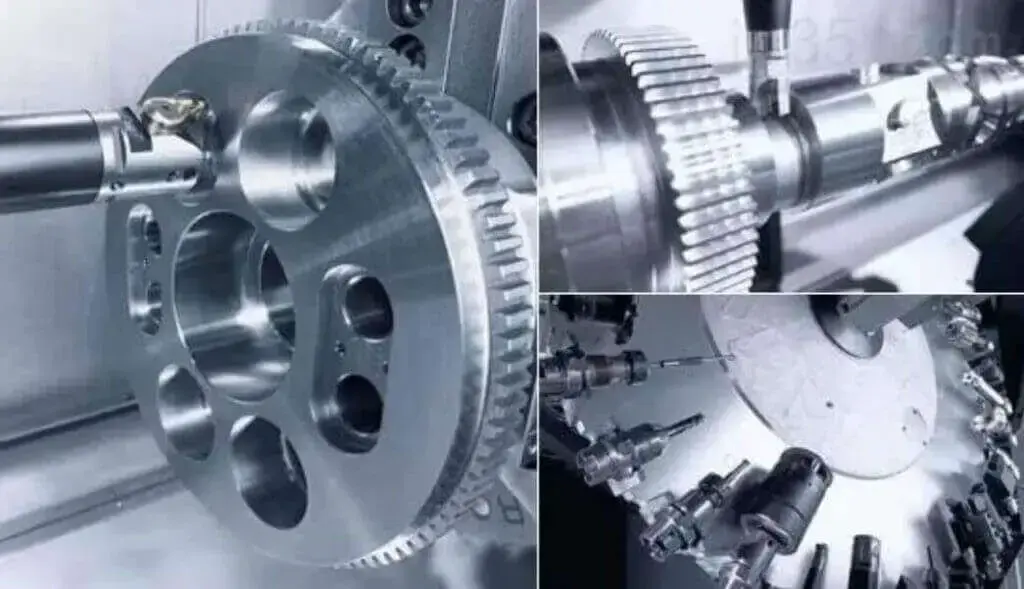
Cutting tools are used in machining to take material from solid stock so that exact sizes and styles can be achieved. This subtractive process is great at making complicated shapes with tight tolerances, which makes it perfect for making complex parts in small to medium quantities. CNC machining centers can work with almost any metal that can be machined and are very good at repeating tasks.
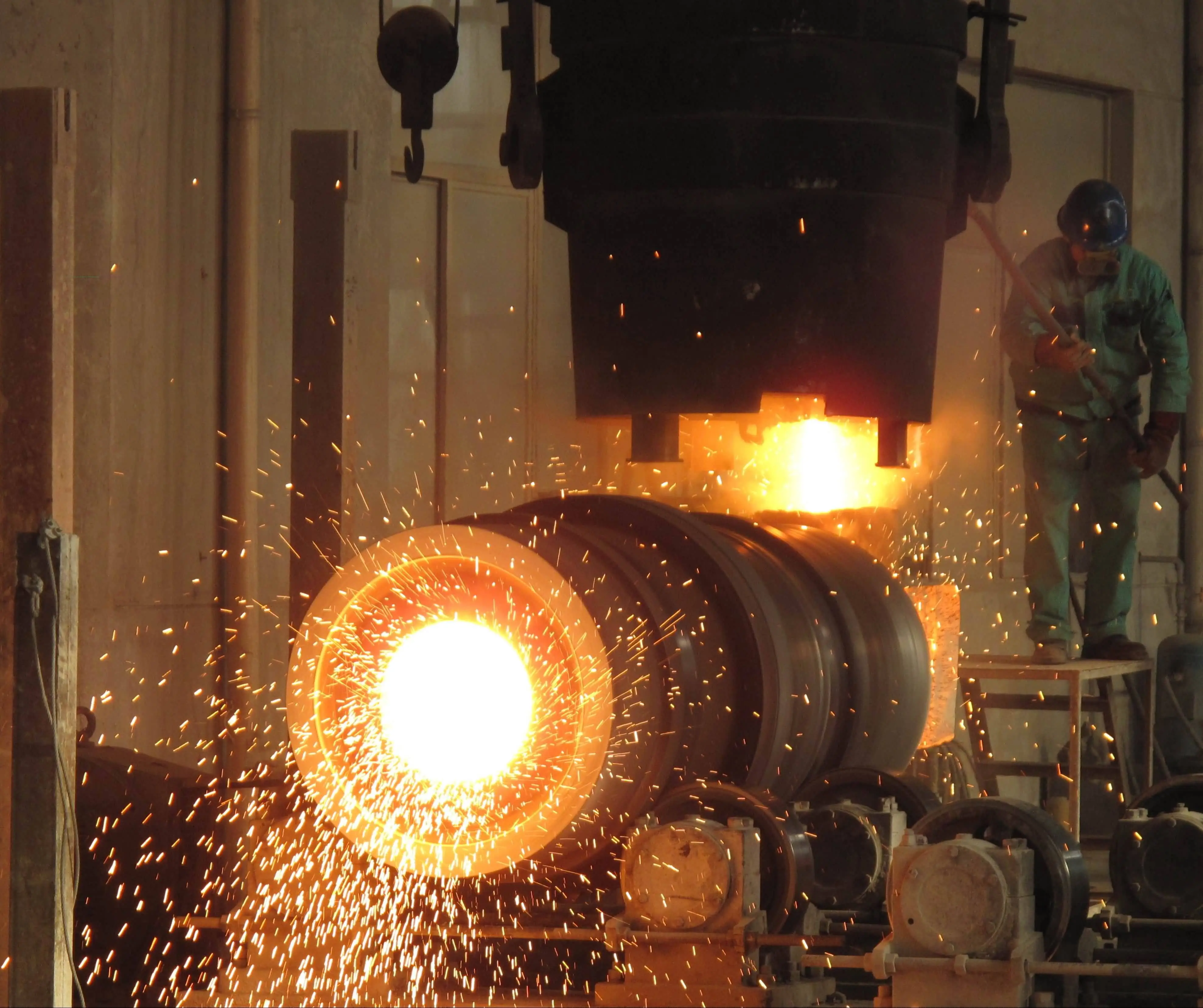
When you cast something, you pour liquid metal into molds to make almost net-shaped parts. Sand casting is the most popular way to cast iron. It uses high-quality silica sand mixed with about 10% bentonite clay as a glue, 2% to 5% water, and about 5% sea coal to make the surface smoother. Casting is a good way to make a lot of complicated forms that would be too expensive to machine from solid material.
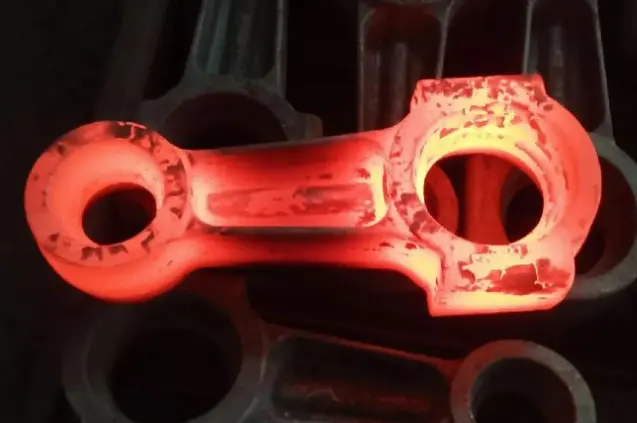
Forging changes the shape of metal by applying controlled compressive forces. This makes parts with better tensile qualities by improving the grain structure. This process makes parts that are very strong for how light they are, which makes it useful for safety-critical uses in the aircraft and automobile industries.
Die sets are used in stamping to cut or make sheet metal into the shape that is needed using mechanical or hydraulic tools. Making a lot of fairly simple parts quickly and consistently with little waste is what this high-speed process does best.
With additive manufacturing, metal powders or wire feedstock are used to build parts layer by layer. This new technology is slower and costs more than old ways of doing things, but it can handle physical complexity that old ways of doing things couldn't handle, and it doesn't require expensive tools for prototype development.
Custom Metal Parts Advantages
Instead of adopting off-the-shelf options, custom manufacturing creates parts that are designed to work directly with your application. This method makes the design more flexible by letting you find the best balance between weight, strength, material use, and connection places. Custom parts make assembly easier by combining several parts into a single piece. This cuts down on the number of parts and possible failure spots.
Making parts to exact specs cuts down on waste by only using the material that is needed. Custom production, on the other hand, usually needs longer lead times to allow for quality control, design approval, and tooling manufacturing. Purchasing teams should make plans based on this, weighing the benefits of customization against the need to meet deadlines.
Quality Assurance and Certification
Testing and approval procedures that are very strict make sure that the parts that are made meet the international standards that are needed for global supply lines. Getting ISO 9001:2015 approval shows that a company is dedicated to quality management systems that always make sure goods meet the needs of customers and government regulations. Dimensional checking makes sure that final parts match the specs on the drawing within the allowed ranges. Material testing shows that the composition and mechanical qualities of the alloy meet the needs of the design. X-rays and ultrasound screening are examples of non-destructive testing methods that find problems inside a product without breaking any of its parts.
Certified parts come with documentation packages that make it possible to track them all the way through the supply chain. This helps with legal compliance and makes it easier to find the root cause of quality problems if they happen. Working with makers who have thorough quality control systems lowers the risks of buying things and keeps your company's image safe.
Choosing Reliable Suppliers and Managing Procurement Effectively
Choosing the right supplier for Metal components has a big impact on the long-term economy, stability, and quality of the supply chain. Partners who can meet your technical and business needs will be found through thorough review methods.
Evaluating Manufacturing Partners
The state of a supplier's certification gives you a first idea of what they can do. ISO 9001:2015 certification shows that quality management processes have been in place for a while, while industry-specific certifications like AS9100 for aircraft or ISO 13485 for medical products show that the company has specific knowledge. Look at the audit reports and certification scope to find out what the certification really covers.
Global Sourcing Considerations
When you buy from other countries, especially well-known manufacturing areas, you can get access to expert skills and save money. China has built up a sophisticated industrial system that makes it possible for many businesses to use high-precision metal fabrication. As a way to make foreign relationships work, manufacturers need to know about global quality standards, communicate clearly, and offer full supply chain management services.
Pricing Structures and Commercial Terms
Transparent price models make it possible to accurately predict costs and control budgets. Figure out how makers put together quotes by looking at things like material prices, handling fees, tooling charges, and the cost of quality inspections. Unit costs are affected by minimum order numbers, especially for custom parts that need special tools. Larger commitments earn volume discounts, but they need to be carefully planned for so that there aren't too many items in stock, which costs money.
Building Strategic Partnerships
Having a long-term relationship with a seller is more valuable than just saving money on transactions. Strategic partners put time and money into getting to know your business, predicting what it will need in the future, and suggesting ways to make it better. When people work together, they can solve problems during the planning phase, which cuts down on costs and speeds up time to market. Innovation partnerships with suppliers that share their technical knowledge and suggest new materials or ways to make your products can help your products stand out in a crowded market.
Practical Applications and Case Studies
Real-life examples show how smart choices in manufacturing can give any industry a competitive edge.
Automotive Component Success
To help vehicles use less gas, a Tier 1 car supplier needed unique bracket systems for Metal components that were both strong and light. Through joint material selection, the engineering team chose an aluminum alloy that is 40% lighter than standard steel parts while still being able to hold the same amount of weight. Precision CNC machining made it possible to get the tight specs that were needed for regular fitting on a manufacturing line. The reworking of the part cut the weight of each car by 2.3 kilograms and the cost of materials by 18%. This shows that smart manufacturing choices can have multiple benefits at the same time.
Aerospace Innovation Through Material Optimization
An aircraft company that was making parts for the next generation of satellites needed parts that were both very strong and stable at very high and very low temperatures. Material research found a titanium alloy that met the functional needs and had better thermal qualities than aluminum options. Using investment casting to make nearly net-shape parts cuts down on the need for later cutting and material waste. The way the parts were made cut their weight by 35% compared to older designs and made them better at handling heat, which allowed for more volume and longer operating life.
Medical Device Manufacturing Excellence
A high-end medical device business needed parts for surgical instruments that met strict biocompatibility standards and could withstand being sterilized many times. Grade 316L stainless steel was used because it was resistant to rust and could be used with human tissue. Precision machining created surface finishes that are necessary to keep bacteria from sticking. Regulatory approval processes were backed up by a lot of quality paperwork, such as material licenses, measurement reports, and proof that the product was sterilized. The manufacturing relationship made it possible for the product to be launched successfully in several foreign markets. This shows how important it is to have suppliers who know what the industry needs.
Conclusion
To be successful at making metal parts, you have to make smart choices about which materials to use, how to improve the process, and how to work with suppliers. Selecting the right metals based on the needs of the application sets the stage for long-lasting and effective component performance. Understanding how things are made helps buying teams find the best mix between accuracy, cost, and delivery times. Partnering with qualified makers who can show they have the technical skills, commitment to quality, and open communication methods lowers sourcing risks and gives you access to low-cost, high-precision production. When companies systematically think about these three things—working together across engineering, procurement, and manufacturing—they can gain a competitive edge through better parts, more reliable supply chains, and long-term relationships with suppliers that lead to continuous improvement.
FAQWhat advantages do metal parts offer compared to plastic components?
When compared to plastic alternatives, metal components offer better strength, longevity, and performance under stress. They can handle higher temperatures, don't break down as easily when exposed to chemicals, and keep their shape over a wider range of weather conditions. Metal parts work great in situations where they need to be structurally sound, resistant to wear, or able to conduct electricity and heat. Metals are usually more expensive than plastics, but they last longer and are more reliable in tough situations, so the total cost of ownership is often lower.
What are typical lead times for custom metal manufacturing?
Lead times depend on how complicated the product is, what materials are used, and how it is made. It could take two to four weeks for simple machined parts made from common materials, but eight to twelve weeks for complicated systems made with special alloys or more than one process. Making tools for casting or forging takes a few extra weeks on top of the original order. Prototyping and design approval take more time overall, but they lower the chance of making mistakes that cost a lot of money during production. Working with experienced makers who give you realistic schedules and keep the lines of communication open helps you keep your expectations in check and make sure your production needs are met.
How should I evaluate potential manufacturing suppliers?
Check out certifications that show you can handle quality, especially ISO 9001:2015 for general manufacturing standards or standards specific to your business. Look at their technical skills, such as their engineering help, how well their equipment works, and how much they know about the process that is related to your components. Review the ways of talking, how quickly people respond, and how well their culture fits with yours to work together effectively. Ask for and check recommendations from past clients in the same industry. Think about logistics like location, wait times, and your ability to handle the supply chain. If you can, go to the buildings to see how they work and get a sense of how professional the group is.
Partner with Welong for Your Metal Components Manufacturing Needs
As an international integrated supply chain service provider that specializes in unique industrial metal goods, Welong has spent more than 20 years getting better at what we do. Since our start in 2001, we've shipped precision parts to over 100 clients in the UK, Germany, France, Italy, Poland, the USA, Canada, the Netherlands, Sweden, Australia, New Zealand, Singapore, and India. These clients are big names in the oil drilling, aerospace, automotive, and high-end medical device industries. Our ISO 9001:2015-certified businesses make sure that the quality is always the same by providing strict supplier growth, buying supervision, and quality control services. We make parts based on your samples and sketches, and our engineering team uses AutoCAD, Pro-Engineering, and SolidWorks to help with creation. Our team has the technical skills, open communication, and global standards that your buying strategy needs, whether you're looking for a trusted metal parts manufacturer or need full supply chain management that lowers sourcing risks. Email us at metal@welongpost.com to talk about how we can help you make the best metal parts and give your business access to China's best supply chain services.
References
1. Davis, J.R. (2018). Metals Handbook: Properties and Selection of Metals. ASM International Publishing.
2. Kalpakjian, S. & Schmid, S.R. (2020). Manufacturing Engineering and Technology (8th ed.). Pearson Education.
3. Budinski, K.G. & Budinski, M.K. (2019). Engineering Materials: Properties and Selection (10th ed.). Prentice Hall.
4. Groover, M.P. (2017). Fundamentals of Modern Manufacturing: Materials, Processes, and Systems (6th ed.). Wiley Publishing.
5. Campbell, J. (2015). Complete Casting Handbook: Metal Casting Processes, Techniques and Design (2nd ed.). Butterworth-Heinemann.
6. Anderson, M.G. & Katz, P.B. (2021). Strategic Sourcing in the Manufacturing Sector: Best Practices for Global Procurement. Industrial Press Inc.

Share your inquiry, get the quotation accordingly!
China WELONG- Your Reliable Partner in Metal Solutions