Marine Industry Casting: Resisting Corrosion with Proper Alloys
For making parts that can handle the harsh saltwater climate of maritime uses, marine casting is a key manufacturing method. Advanced metallurgical methods and carefully chosen metals that don't rust are used together in this specialized process to make long-lasting parts for ships, offshore platforms, and shoreline infrastructure. To make marine casting work, you need to use the right materials. Bronze, stainless steel, and copper-nickel metals are all good choices because they don't rust or crack and don't break down when they come into contact with water.
Understanding Marine Casting and Its Role in Corrosion Resistance
Marine casting includes a variety of unique production techniques created just for parts that need to be exposed to sea and marine environments for long periods of time. Pouring molten metal into precisely engineered molds is how this complicated production method makes it possible to make shapes that would be hard or impossible to make any other way.
Key Processes in Marine Casting Production
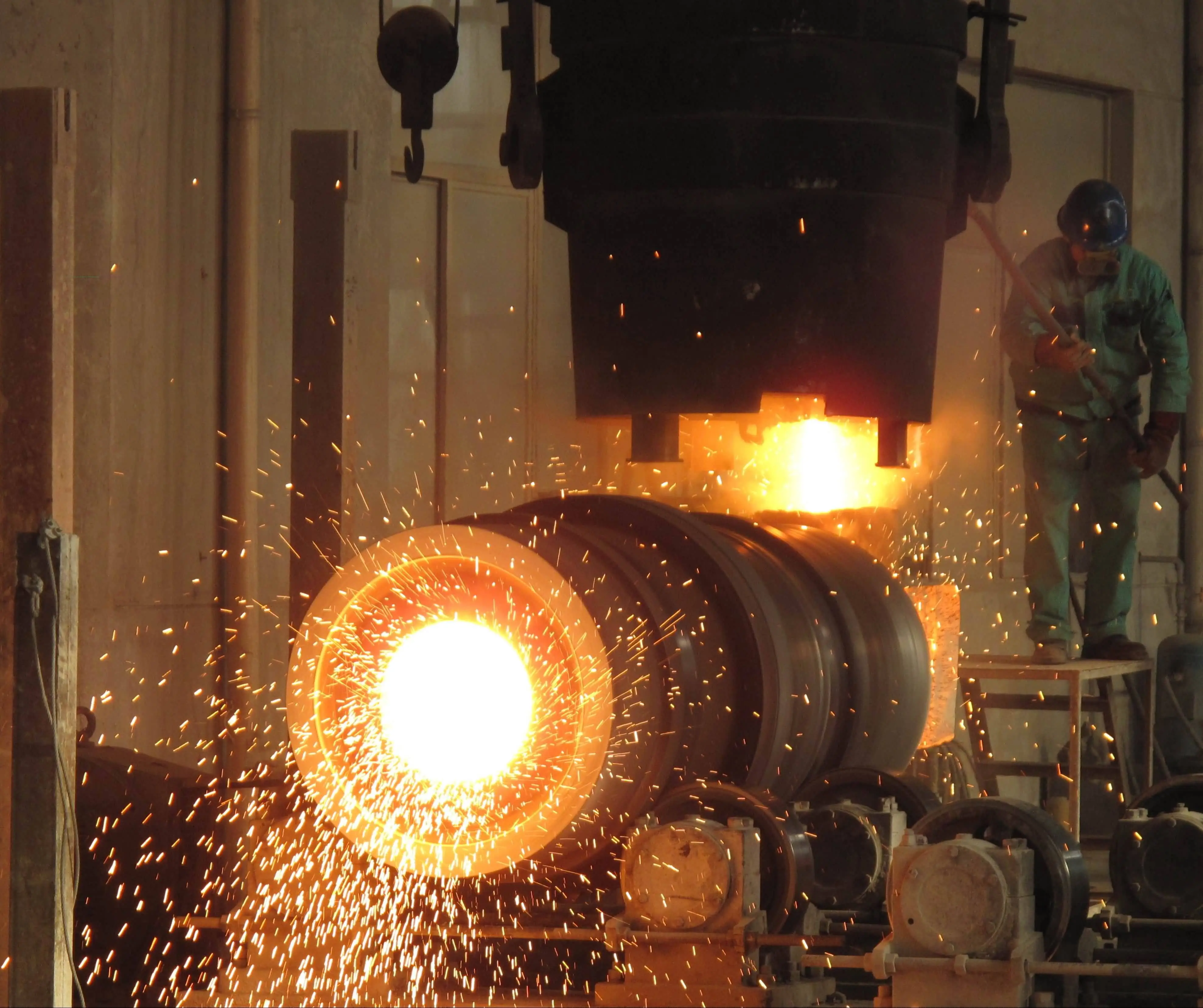
The first step in the marine casting process is carefully choosing the metal based on the conditions the part will be in. To find the best material formulas, engineers look at things like the amount of chlorine present, changes in temperature, and mechanical stress loads. In the casting process, the chosen alloy is melted at exact temperatures, impurities are removed by degassing, and the liquid metal is poured into molds made of sand, clay, or metal that will last.
During the casting process, quality control measures include checking the chemical makeup in real time, keeping an eye on the temperature, and using non-destructive tests to find any possible flaws. Because holes, inclusions, and rough surfaces can make rust resistance worse, these methods are necessary to make sure that parts last a long time.
Importance of Marine-Specific Alloy Selection
Choosing the right alloys is the first step to good marine casting uses. Copper-based metals, especially aluminum bronze and nickel-aluminum bronze, are very good at resisting corrosion in salt water and still have great mechanical qualities. These materials form protective oxide layers that fix small surface damage on their own, shielding them from harsh marine conditions for a long time.
Because they contain a lot of chromium and molybdenum, stainless steel types like 316L and duplex stainless steels are very resistant to rusting. By carefully balancing the alloying elements, an inactive film is formed on the surface that stops chloride from penetrating and starting rust.
Challenges of Corrosion in Marine Industry Casting and Alloy Solutions
The biggest threat to marine cast parts is corrosion, which happens quickly because saltwater is an active chemical that breaks down metals. By understanding these problems, engineers can come up with good ways to solve them by choosing the right alloys and applying the right surface treatments.
Root Causes and Impact of Marine Corrosion
When chloride ions get through protected surface films, they create attack points that can quickly move through component walls. This is called pitting corrosion. This happens a lot to stainless steels in warm waters where the chloride levels are higher than what is considered safe.
Crevice corrosion happens in small areas where there isn't enough oxygen, which makes difference aeration cells. These problems usually happen where gaskets meet, where bolts join, and where surfaces cross. This is because saltwater that stays still for a long time becomes more aggressive over time. Electrical potential differences between different metals in seawater cause galvanic rust, which speeds up the breakdown of the less desirable material.
Advanced Alloy Properties for Corrosion Resistance
Modern marine casting metals contain certain elements that make them more resistant to corrosion in more than one way. Chromium creates solid oxide layers that act as a barrier to protect, and molybdenum makes it harder for things to pit in chloride settings. Nickel makes stainless steels more resistant to rust and helps keep their stable austenitic structures.
Copper alloys depend on patina layers that grow and get stronger over time to protect them. Adding aluminum, iron, and nickel to copper-based metals makes them more complicated, which protects them from both general and specific corrosion and gives them great mechanical qualities.
Heat treatment methods improve the microstructures of alloys so that they are more resistant to rust. Solution annealing gets rid of dangerous precipitates that can be used to start rusting, and controlled cooling rates make sure that the phases are spread out correctly. Passivation and other surface finishing methods create even protecting layers that improve long-term performance.
Comparing Marine Casting Alloys and Techniques for Optimal Performance
To choose the best casting methods and metal combos, you need to carefully think about how well they work, how much they cost, and how much you can make. Each method has its own benefits that make it better for certain sea uses and part shapes.
Casting Method Comparisons for Marine Applications
Sand casting gives you a lot of options for making big, complicated parts, and it's a pretty good way to save money on medium-volume production. This method works with a variety of marine metals and lets you make the complicated internal tunnels that heat exchangers and pump housings need. To meet certain standards, the surface finish quality may need more machining processes.
Investment casting is perfect for making precise naval parts like impellers, valve bodies, and sensor housings because it gives the best surface finish and dimensional accuracy. The process makes it possible to have thin walls and complicated shapes while wasting as little material as possible. Investment casting is most cost-effective for high-value parts or big production runs because the tools are more expensive.
Controlling the cooling rate allows for better mechanical qualities and uniform control of the dimensions in permanent mold casting. This method works well for making parts in medium to large quantities, like propeller hubs, stern tube bearings, and deck gear. The method gives the surface a great finish while keeping production costs low.
Material Performance Analysis
Aluminum bronzes are very resistant to rust in salt water and have good strength-to-weight ratios. These metals don't get biofouling and keep their shape even when the temperature changes. Because aluminum bronze can fix itself, it is a great material for parts that need to last a long time with little upkeep.
Duplex stainless steels have the power of ferritic structures and the resistance to rust of austenitic grades. Because they are so good at resisting stress corrosion cracking and wear, these materials are perfect for naval parts that are under a lot of stress. Compared to other types of stainless steel, this one is lighter because it is stronger.
Nickel-aluminum bronze is very good at resisting cavitation and working well with ocean rust. This alloy's mechanical qualities stay the same over a wide range of temperatures, and it doesn't crack from stress corrosion in marine environments. The work-hardening properties of the material make it more resistant to wear in moving uses.
How to Choose Reliable Marine Casting Suppliers and Products
To find good marine casting providers, you need to look closely at their technical skills, quality control methods, and track record of working with tough marine uses. Marine conditions are very complicated, so providers need to have a lot of experience with metals and manufacturing.
Essential Supplier Evaluation Criteria
Technical understanding, such as metallurgical knowledge, process control skills, and technical support services, is what suppliers are chosen based on. Suppliers should be able to show that they understand how marine rust works and have labs where they can make and test alloys. If you have experience with marine industry standards like ASTM, ABS, and Lloyd's Register ratings, it means you know how to meet strict quality standards.
Systematic quality management is guaranteed by ISO 9001:2015 certification. Other certifications, like ISO 14001 and AS9100, show a dedication to environmental responsibility and quality control at the aircraft level. These licenses show that there are set ways to keep track of documents, make changes, and keep getting better.
Production skills should match the needs of the project, such as limits on casting size, compatibility with alloys, and the ability to do secondary operations. When it comes to quality control and keeping to plan, suppliers who offer combined services like machining, heat treatment, and testing are more useful.
Performance Verification and Partnership Development
Case studies and examples from customers are great ways to learn about how well a provider does in the real world. When reviewing possible suppliers, people who work in procurement should look into how well they produce and solve problems using similar applications. Site trips let you directly check out the buildings, tools, and workers to make sure they are qualified.
Managing lead times is very important for marine projects that have regular installation windows or plans for when ships need to be dry-docked. Suppliers should show that they can adjust their capacity and speed up work while still meeting quality standards and tight deadlines. Clear communication about the state of output and possible delays makes project planning easier.
Collaborative development partnerships are helpful for marine casting jobs that are complicated and need to improve the design or change the metal. Suppliers who are good at engineering can give useful feedback during the design process. This can help lower costs and boost performance by making designs that are easy to make.
Best Practices for Maintenance and Longevity of Marine Cast Components
Proper care greatly increases the useful life and keeps the performance of marine cast parts that are subject to harsh conditions. Proactive repair stops small problems from turning into expensive breakdowns and improves the performance of parts throughout their useful life.
Preventive Maintenance Strategies
When you do regular inspections, you should look at both the obvious parts of the surface and the secret parts where crevice corrosion can start. Visual inspections find wear and tear on the surface, loss of the coating, and mechanical damage that could make rust protection less effective. Ultrasonic measures of thickness keep track of how much material is being lost and estimate how long the service will last.
Protective coating systems need to be renewed every so often to keep working well as barriers. When you properly prepare a surface, you get rid of old coating degradation and rust products and make it possible for new coats to stick well. To make sure even coverage, application methods must take into account how the parts will be used and how they will be exposed to the sea environment.
Cathodic protection systems offer electrical defense against rust, which works with material choice. Monitoring the anode's use and the protective current flow on a regular basis makes sure that the system works well between repair times. Using the right electrical separation stops galvanic rust between materials that are not the same.
Repair and Refurbishment Techniques
In cases where the damage isn't too bad, localized repairs can fix a part without having to replace it completely. When fixing welds, marine alloys and their heat treatment needs must be taken into account so that the resistance to rust stays high. Repair quality is guaranteed by proper pre-heating, temperature control between passes, and cleaning after the welding process.
Dimensional repair through welding and grinding makes worn-out parts last longer while keeping their original performance. Galvanic corrosion doesn't happen at replacement surfaces when the base metal and repair materials are compatible with each other. Non-destructive testing checks the quality of the fix and finds any problems that need more work.
Planning for the supply chain should include thinking ahead about when repair will be needed and making sure that replacement parts are available during planned maintenance times. Setting up bulk shopping agreements with qualified sources lowers the cost of buying things and makes sure that the materials used in different parts are all the same.
Conclusion
Marine casting technology keeps changing to meet the needs of coastal and marine settings that are becoming more and more demanding. For these uses to work, it's important to choose the right metal, use the right manufacturing methods, and build smart partnerships with suppliers. When businesses buy high-quality marine castings, they get longer-lasting equipment, lower upkeep costs, and more reliable operations. Marine cast parts can survive the harshest environmental conditions because they are made using modern materials science and tried-and-true manufacturing methods. They also keep their structural integrity and dimensional stability.
FAQ
What are the best alloys for marine casting applications?
Aluminum bronze and nickel-aluminum bronze are very resistant to rust in salt water and have good mechanical qualities. Duplex stainless steels are stronger and less likely to split, and copper-nickel metals work great in heat exchangers because they don't let biofouling grow on them.
How does marine casting compare to forging for corrosion resistance?
Marine casting lets you make parts with complicated inside shapes and gets rid of the need for bonded joints, which can rust. Forging has better mechanical qualities, but it may need to be welded for complicated shapes, which could leave parts that are more likely to rust.
What quality standards should marine castings meet?
Marine casts should meet ASTM standards for the types of materials used and how they behave mechanically. If the application calls for it, classification society standards from ABS, DNV, or Lloyd's Register may apply. Having ISO 9001:2015 approval makes sure that quality control stays the same throughout production.
How long do marine cast components typically last?
Service life relies on the type of alloy used, the climate, and how well it is maintained. When used in salt water, properly chosen aluminum bronze parts can last 20 to 30 years, and similarly, properly chosen stainless steel parts may last the same amount of time.
What factors affect marine casting costs?
Choosing the right alloy has a big effect on the cost of the material, with specialty stainless steels selling for a lot more. The casting method affects both the cost of tools and the rate of production. Overall project costs are also affected by the complexity of the parts, the tolerances that need to be met, and the number of sizes.
Partner with Welong for Superior Marine Casting Solutions
Welong makes marine casting options that are perfect for the harshest saltwater settings. Our ISO 9001:2015-certified facility blends more than 20 years of experience in metalworking with cutting-edge production skills to make parts that are more resistant to corrosion than the industry standard. We are experts at custom marine casting projects, from making prototypes to mass production. Throughout the lifecycle of your project, we will provide full tech help and clear communication. Email our technical team at metal@welongpost.com to talk about your marine casting needs and find out how our proven supply chain knowledge can help you get the best deals.
References
1. "Corrosion Resistance of Marine Casting Alloys in Seawater Environments," Journal of Materials Engineering and Performance, Vol. 28, 2019.
2. "Advanced Metallurgy for Marine Applications: Casting Techniques and Alloy Development," International Conference on Marine Materials Science, 2020.
3. "Comparative Study of Bronze Alloys in Marine Casting Applications," Materials and Corrosion Engineering Quarterly, Vol. 15, 2018.
4. "Quality Control Standards for Marine Industry Castings," American Society for Testing and Materials Technical Publication, 2021.
5. "Lifecycle Cost Analysis of Marine Cast Components," Maritime Technology Review, Vol. 42, 2019.
6. "Maintenance Best Practices for Marine Casting Components in Offshore Applications," Offshore Engineering International, Vol. 33, 2020.

Share your inquiry, get the quotation accordingly!
China WELONG- Your Reliable Partner in Metal Solutions