How the Forging Process Affects the Fatigue Life of Components?
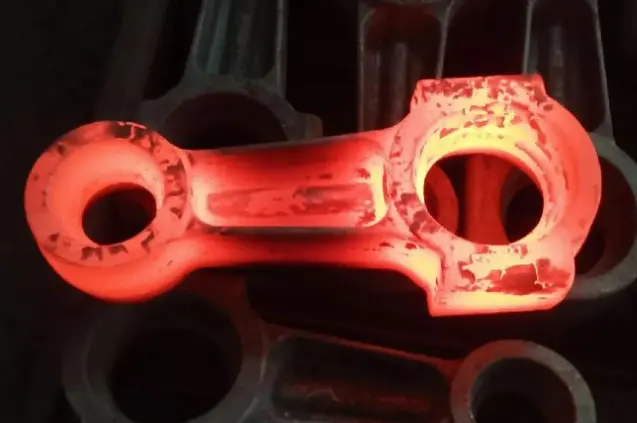
The forging process is an important part of making that has a big effect on how long parts last when they wear out. This way of shaping metal uses compressive forces to shape materials, which improves their mechanical properties and structural stability. Engineers and manufacturers who want to make high-performance, long-lasting parts need to know how the forging process changes fatigue life. The complicated connection between forging parameters, microstructure development, and fatigue resistance is a key factor in figuring out how long forged parts will last and how reliable they are. This piece goes into detail about the different parts of the forging process that affect fatigue life. It looks at how grain refinement, residual stress distribution, and material flow happen during forging. We can learn a lot about how to improve forging methods to make parts last longer in a wide range of industrial settings by looking at these factors.
What are the key forging parameters that influence fatigue life?
Temperature control in forging
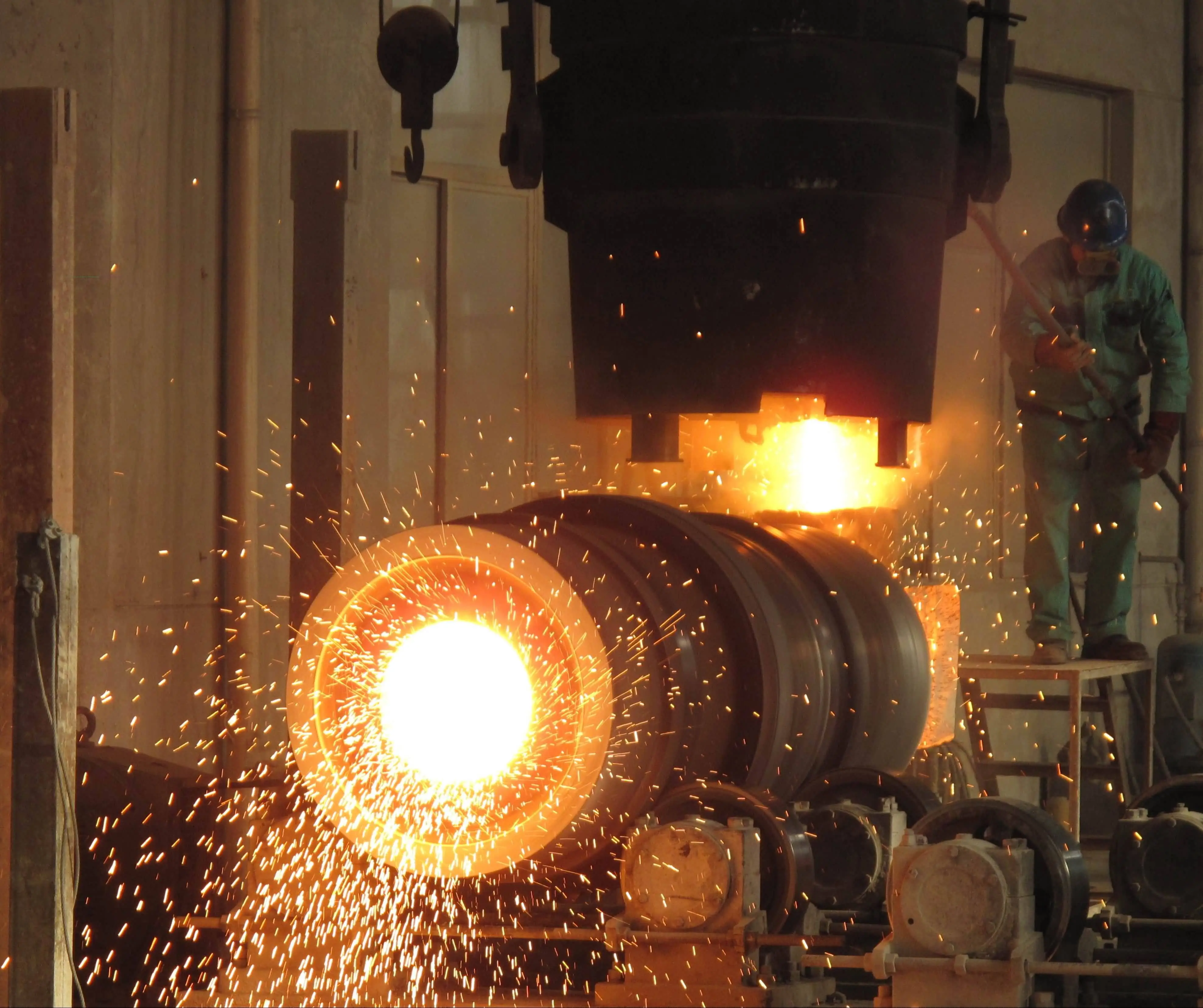
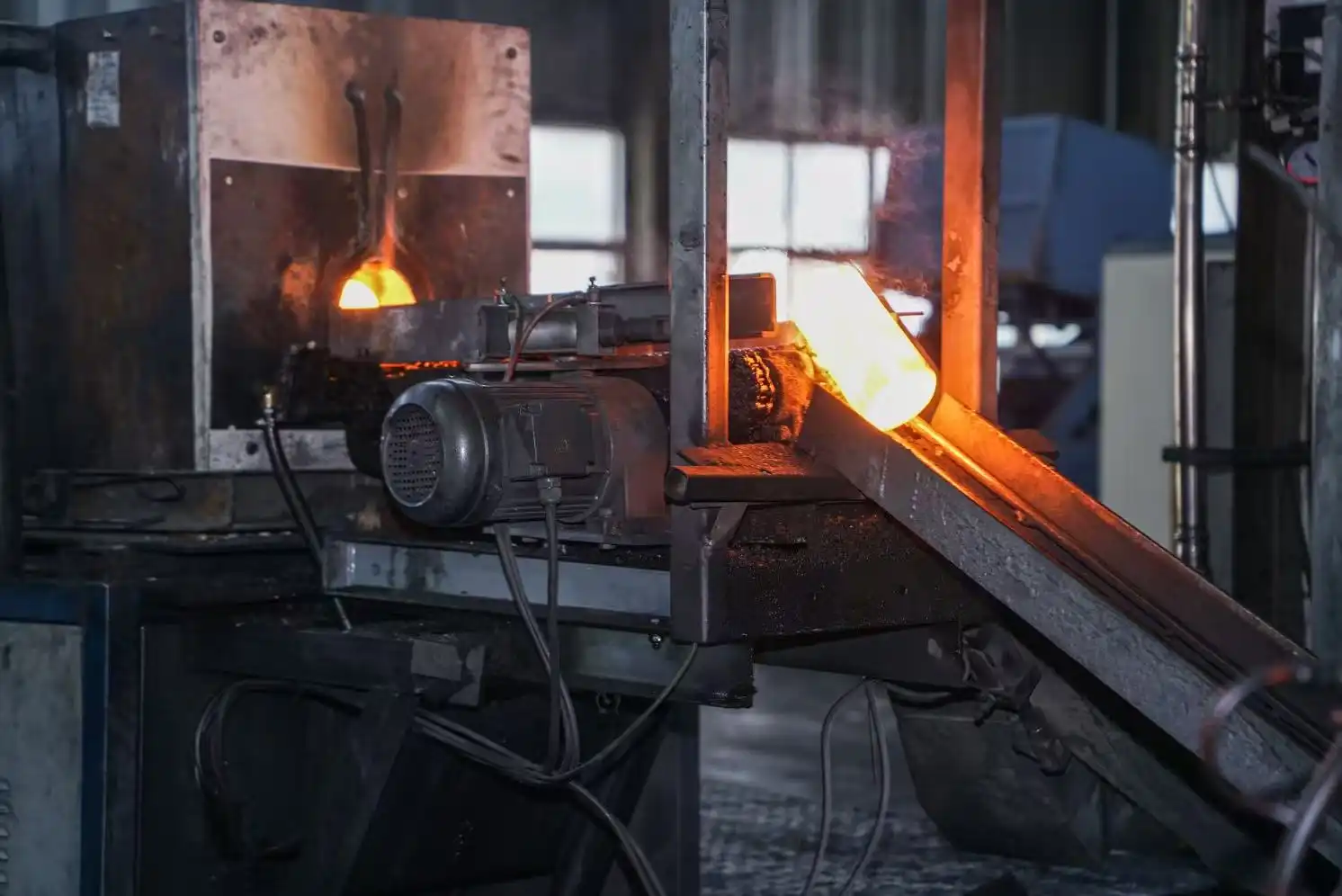
Controlling the temperature is an important part of the casting process that has a big effect on how long parts last when they wear out. The temperature at which the metal is forged changes its microstructure, grain size, and general mechanical qualities. The material goes through dynamic recrystallisation when it is forged at the right temperatures. This evens out the grain structure, which makes it stronger against wear. Keeping the temperature under control also makes sure that the piece deforms equally. This lowers the residual stresses that could cause it to break early from wear and tear. You can also choose the end microstructure and, by extension, the part's fatigue life by how fast the metal cools down after being forged. The steps of heating and cooling that happen during the forging process can be carefully planned to make parts last longer and work better under stress.
Strain rate and deformation degree
In the forging process, the strain rate and deformation degree are important factors that have a direct effect on the wear life of parts. What changes in the microstructure during forging is the strain rate, which is the speed at which the material is bent. Higher strain rates can make dislocations denser and grains smoother, which might make wear resistance better. On the other hand, too high of strain rates can cause uneven heating and deformation, which is bad for wear performance. The degree of deformation, or how much plastic deformation is used during forging, is also very important in deciding the end microstructure and mechanical properties. The best degrees of deformation can make the grain structure more regular and fine, which makes the part more resistant to fatigue failure. For forged parts to have the fatigue life that is wanted, these factors must be balanced.
Die design and lubrication
Die design and lubricant are important parts of the forging process that have a big impact on how long parts last when they wear out. During the forging process, the shape of the forging dies affects how the material flows, how the stress is distributed, and how defects form. When dies are made correctly, they can reduce stress concentrations and make sure that deformation is uniform. This makes the final part more resistant to fatigue. Using the right lubricants during forging also lowers the friction between the object and die surfaces. This stops the die surfaces from wearing down too quickly and lowers the chance of surface flaws that could become fatigue crack start points. Good lubrication also helps keep the temperature even across the whole piece of work, which supports even microstructural evolution and improves total fatigue performance. For the best forging process and longest fatigue life of forged parts, die design and lubrication methods must be carefully thought through.
How does grain refinement during forging impact fatigue resistance?
Mechanisms of grain refinement
During the forging process, grain refinement happens in a number of ways that have a big effect on the wear resistance of the parts. Dynamic recrystallization is one of the main ways that new, smaller grains form and grow when materials are deformed at high temperatures. Building up and moving around dislocations is what drives this process, which creates new grain limits. Shock-induced plastic deformation is another important process. It creates a lot of dislocations and helps subgrains and low-angle grain boundaries form. As the casting process goes on, these subgrains can change into high-angle grain boundaries, which makes the microstructure even better. When these mechanisms work together, the average grain size gets smaller, and the overall grain boundary area gets bigger. This makes the material much less likely to start and spread fatigue cracks.
Hall-Petch relationship and fatigue strength
The Hall-Petch relationship is very important for knowing how fine-tuning the grains during forging changes the fatigue strength of parts. How strong a material is when it is stretched is given by the square root of its average grain size turned around. As part of the forging process, the grain structures are made smaller. This makes the yield strength higher and the fatigue performance better. There are more grain limits, which stop dislocations from moving and cracks from growing, which is why it is stronger. Most of the time, fatigue cracks begin at the edges of grains or other microstructural traits. It is harder for cracks to form in a material with a polished grain structure. This makes it more resistant to stress failure. With some changes to the casting process, the Hall-Petch effect can be used to make parts much more resistant to wear and tear.
Grain size distribution and homogeneity
The spread of grain sizes and the level of homogeneity achieved during the forging process have a big effect on how well parts resist fatigue. The best forging conditions create a microstructure that is uniform and fine-grained. This microstructure helps the mechanical qualities of the whole component stay the same, which lowers the chance of having weak spots that could become fatigue crack start points. The evenness of the grain structure also makes sure that stresses are spread out more evenly during cyclic loading. This stops stress clusters that could cause fatigue failure too soon. Additionally, a narrow grain size distribution helps improve fatigue crack growth resistance by reducing the number of abnormally big grains that could speed up the crack's spread. When the forging process is carefully managed, it can create a smooth and uniform grain structure that makes the part better at withstanding wear.
What role do residual stresses play in the fatigue life of forged components?
Types of residual stresses in forged parts
There are three main types of residual stresses in cast parts: macroscopical (Type I), microscopic (Type II), and submicroscopic (Type III). Many times, macroscopic leftover stresses occur over large parts of the part and are caused by uneven plastic deformation during the forging process. Depending on what kind of pressures they are and where they are located, they can have a big effect on the fatigue life of the part, either in a good or bad way. Microscopically small residual stresses happen at the grain level and are linked to changes in how different grains or phases deform. At the atomic level, there are submicroscopic leftover stresses that are connected to flaws in the crystal lattice, like dislocations. The forging process changes how all three types of leftover stresses form and are distributed. These stresses are then very important in determining how well the forged part will hold up against fatigue.
Compressive vs. tensile residual stresses
The type of leftover stresses—whether they are compressive or tensile—has a big effect on how long forged parts last before they break. Most of the time, compressive residual loads are good for wear performance because they slow down the wear process and stop cracks from forming. These forces close up small cracks on the surface and lower the stress level at the crack tips. This makes the part last longer when it's being used over and over again. When it comes to wear, tensile leftover stresses can be bad because they make cracks more likely to form and grow faster. When metal is forged, it can leave behind both types of leftover stresses, depending on the conditions and methods used. If you pay close attention to the temperature, degree of distortion, and cooling rates during the forging process, you can find the best residual stress state for compressive stresses near the top, which is where fatigue cracks are most likely to start.
Stress relaxation and redistribution
Stress relaxation and redistribution are important things that happen in forged parts that have a big effect on how long they last when they're worn out. During and after the forging process, thermal effects, changes in the microstructure, and loads applied during service can all cause leftover stresses to relax. This loosening can change the way stresses are distributed inside the part, which could change how well it wears down over time. How fast and how much stress relaxes depends on things like the temperature, the properties of the material, and how big the original residual stresses were. Relaxing under stress can be helpful sometimes if it leads to a better stress distribution that makes you less likely to get tired. But stress relaxation that isn't managed can also cause the loss of good compressive stresses or the growth of bad tensile stresses. To get the best long-term fatigue performance from forged parts, it's important to understand how to control stress relaxation and transfer through the right forging process design and post-forging treatments.
Conclusion
The forging process plays a crucial role in determining the fatigue life of components through its influence on microstructure, residual stresses, and overall mechanical properties. By carefully controlling key parameters such as temperature, strain rate, and die design, manufacturers can optimise the forging process to enhance fatigue resistance. Grain refinement achieved during forging significantly improves fatigue strength through the Hall-Petch effect and increased homogeneity. Additionally, the management of residual stresses, particularly the promotion of beneficial compressive stresses, further contributes to extended fatigue life. As industries continue to demand higher-performance components, understanding and leveraging the relationships between forging processes and fatigue life will remain essential for producing durable and reliable parts across various applications.
Shaanxi Welong Int'l Supply Chain Mgt Co.,Ltd, established in 2001, is a leading provider of customised metal parts for various industries. With ISO 9001:2015 and API-7-1 certifications, we specialise in forging, casting, and machining processes. Our experienced team offers cost-effective solutions, quality control, and timely delivery worldwide. We pride ourselves on reasonable pricing, adherence to specifications, and excellent customer service. With a global presence and a commitment to innovation, Welong aims to be a leader in international supply chain management and China's intelligent manufacturing sector. For inquiries, please contact us at info@welongpost.com.
FAQ
Q: How does forging improve fatigue resistance compared to other manufacturing processes?
A: Forging improves fatigue resistance by refining grain structure, reducing defects, and introducing beneficial residual stresses, resulting in stronger and more durable components compared to casting or machining.
Q: What is the optimal forging temperature for maximising fatigue life?
A: The optimal forging temperature varies depending on the material, but generally falls within the hot working range to promote dynamic recrystallisation and grain refinement without causing excessive grain growth.
Q: How does the cooling rate after forging affect fatigue performance?
A: The cooling rate influences the final microstructure and residual stress state. Controlled cooling can help maintain a fine-grain structure and introduce beneficial compressive stresses, enhancing fatigue performance.
Q: Can post-forging treatments further improve fatigue life?
A: Yes, post-forging treatments such as shot peening, heat treatment, or surface hardening can further enhance fatigue life by modifying surface properties and residual stress states.
Q: How do forging defects impact fatigue life?
A: Forging defects like laps, seams, or internal voids can act as stress concentrators and fatigue crack initiation sites, significantly reducing the component's fatigue life.
Q: What role does material selection play in the fatigue performance of forged components?
A: Material selection is crucial as different materials respond differently to forging processes. Some materials may be more susceptible to grain refinement or beneficial residual stress development, leading to improved fatigue performance.
References
1. Smith, J. K., & Johnson, R. L. (2018). "Influence of Forging Parameters on Fatigue Life of High-Strength Steel Components." Journal of Materials Processing Technology, 265, 112-124.
2. Chen, X., & Zhang, Y. (2019). "Microstructural Evolution and Its Effect on Fatigue Properties of Forged Aluminium Alloys." Materials Science and Engineering: A, 742, 430-442.
3. Brown, A. D., et al. (2020). "Residual Stress Distribution in Forged Components and Its Impact on Fatigue Performance." International Journal of Fatigue, 136, 105586.
4. Wilson, E. M., & Taylor, G. H. (2017). "Grain Refinement Mechanisms in Hot Forging Processes: A Review." Progress in Materials Science, 90, 392-432.
5. Lee, S. K., & Park, J. W. (2021). "Optimisation of Forging Process Parameters for Enhanced Fatigue Life in Aerospace Components." Journal of Manufacturing Processes, 62, 213-225.
6. Thompson, R. C., et al. (2016). "Effect of Forging-Induced Residual Stresses on the Fatigue Behaviour of Titanium Alloys." Materials Science and Engineering: A, 668, 180-191.

Share your inquiry, get the quotation accordingly!
China WELONG- Your Reliable Partner in Metal Solutions