How Grain Flow Design Influences the Fatigue Life of Forgings?
To figure out how the design of the grain flow affects the wear life of forgings, you need to know how metal crystal orientation affects the ability to withstand stress. Grain flow is the direction of the metal crystals that form during forging. It has a big impact on how well forged parts can handle repeated loads. When grain flow directions are aligned with main stress directions, wear life can be increased by 300 to 500% compared to structures that are not aligned properly. In aircraft, automobile, and industrial manufacturing, this metallurgical concept has a direct effect on the dependability and longevity of key parts.
Understanding Grain Flow in Forged Parts
Grain flow is the way that metal crystals line up in the right direction during the forging process. It is a key factor in choosing the end part's mechanical features. Forging makes a continuous, flexible grain structure that follows the shape and outlines of the part, unlike casting, where the crystals are arranged at random.
Through plastic distortion, the forging process changes the structure of the original cast ingot into a fine, directionally orientated grain pattern. When hot forging, temperatures between 1800°F and 2100°F allow metal crystals to move back into place along the flow direction of the material. This controlled compression breaks up the large grains that are common in cast materials and makes small, long grains that improve the mechanical properties.
The edges of metal grains naturally stop cracks from spreading. When the grains line up correctly with the stress patterns in the part, they make winding paths that stop fatigue cracks from starting and spreading. Because the grains run continuously in forged parts, they don't have the weak interfaces and holes that are common in cast parts. This makes them more resistant to wear.
Different materials have different grain flow patterns that affect how well they handle wear. When carbon steels are forged, the grains become much longer. This happens because the ferrite and pearlite phases line up to make the steel very directional. Grain refinement is directly related to the amount of carbon in the steel. For fatigue-critical uses, medium-carbon steels (0.3-0.6% carbon) have the best grain flow properties.
Because they are austenitic and tend to harden when they are worked, stainless steels pose special problems. To get the right grain flow without too much work hardening, the forging process has to carefully control the temperature and distortion rates. Aluminum alloys respond very well to improving grain flow because their face-centered cubic structure makes it possible to polish and line grains a lot during forging.
Forged and cast parts have very different grain structures, which leads to big differences in how well they work in uses that are sensitive to wear. Randomly arranged, coarse grains with intrinsic porosity and inclusion flaws that act as stress concentrators are found in cast components. By creating many places for cracks to start, these microstructural traits greatly lower fatigue life.
Because the grains move continuously and the microstructure is finely tuned, forged parts have better wear performance. When flaws in the casting are taken out, and the grains are oriented in a good way, the wear life is usually 2 to 10 times longer than with cast options. This performance edge stands out more in high-cycle wear situations, where crack initiation is the main cause of component failure.
How Grain Flow Design Directly Impacts Fatigue Life?
One of the most important things to think about when designing a forging is the connection between grain flow direction and wear performance. If the grain flow lines are aligned perfectly with the main stress directions, the parts will not fail from wear in multiple ways. On the other hand, if the grain flow design is bad, the parts will not last nearly as long.
For grain flow design to work, the component's load distribution during service must be carefully studied. Computer-aided stress analysis helps find the main stress directions, which lets forging engineers make die setups that direct grain flow in the best way. The part is least likely to wear out when the grain flow directions are parallel to the lines of tensile stress.
When grain flow isn't aligned properly, it makes weak planes that aren't in the direction of stress, which greatly reduces wear life. Parts whose grain flow is perpendicular to the main loads may have 50–80% shorter wear lives than parts whose designs are properly oriented. Because of this connection, airplanes and automakers put a lot of money into improving grain flow for important parts like connecting rods, crankshafts, and landing gear parts.
When you forge something cold instead of hot, the grain flow is different, and each has its own benefits for tired performance. Cold forging creates very fine-grained structures with a high dislocation density. This gives smaller parts better strength and wear resistance. When you forge something cold, it hardens the metal and leaves behind compression forces that make it last longer.
For bigger, more complicated parts, hot forging lets more material flow and grain polishing happen. The higher temperatures make it possible for more plastic distortion, which makes the grain flow patterns stand out more. Most of the time, hot-forged parts are more flexible and tough, which means they can be used in situations that need both wear resistance and impact resistance.
Optimized grain flow design has been shown to improve wear life by a large amount by aerospace makers. When compared to machined options, aircraft landing gear parts made with controlled grain flow have wear lives that are 4 to 6 times longer. The smooth microstructure stops cracks from spreading, and the continuous grain flow gets rid of the stress clusters that are caused by cutting.
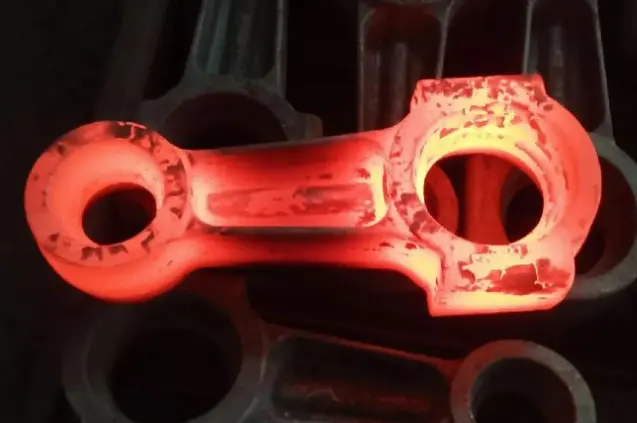
Another great example of how optimizing grain flow can help is the production of connecting rods for cars. Modern forged connecting rods with improved grain flow work consistently at high engine loads that would quickly break down cast or machined rods. The rod's shape is followed by the grain flow, which makes the strongest areas stronger while reducing weight by distributing the material in the best way.
The Forging Process Steps Affecting Grain Flow Quality
The end grain flow quality is affected by many steps in the forging process, and each one needs to be carefully managed to get the best wear performance. When buying, workers understand these steps, and they can properly evaluate a supplier's skills and quality systems.
The first step in the casting process is carefully choosing and preparing the material so that it can move smoothly. The starting state of the material has a big effect on how the grains move in the end. Things like previous cold work, heat treatment, and the amount of inclusions in the material all affect how it deforms. To make sure that starting conditions are always the same, suppliers must show that they can fully track materials and check them when they come in.
The first steps of preforming set the grain flow patterns that affect the next steps of forging. As a result of upset forging and drawing operations, the grain polishing process starts, and initial flow patterns are made. To avoid flaws like surface cracks or interior gaps that lower the quality of the final component, these steps need to be carefully controlled in terms of temperature and deformation rates.
The most important thing for getting the best grain flow patterns is the shape of the die. Forging experts with a lot of experience use computer simulations to guess how materials will flow and find the best die shapes to meet specific grain flow goals. The shape of the die has to find a balance between the needs for material flow, accuracy in measurements, and a smooth surface.
Keeping an eye on the forging process's temperature has a direct effect on the quality of the grain flow and the growth of the microstructure. Temperature changes can make grain structures less regular, which lowers the wear performance. Today's forging shops use complex temperature tracking and control systems to keep conditions stable during the whole forging process.
After casting, heat treatment steps can be used to improve the grain structure and make the mechanical traits better. Normalizing processes can get rid of leftover stresses and even out the grain structure, and quench and temper cycles create the best mixes of strength and toughness. In order to get the desired mechanical properties, the heat treatment method must keep the good grain flow that was formed during forging.
To make sure the quality of the heat treatment process, time, temperature, and cooling rates must be carefully watched. Suppliers who have been certified to ISO 9001:2015 show that they know how to control these important factors reliably. Modern providers use digital heat treatment systems that can log all data to make sure the process can be repeated and tracked.
Comparing Forged Parts with Other Manufacturing Methods in Terms of Fatigue Life
The choice of making method has a big effect on how well a component performs over time, with forging having clear benefits over other methods. Knowing these differences helps you make smart purchasing choices based on the needs of the product and the cost.
Due to basic differences in microstructure, forged parts always perform better than cast options in uses that are sensitive to fatigue. Forgings don't have the pores, inclusions, or random grain direction that shorten the wear life of cast components. Instead, they have continuous grain flow. For complicated shapes, casting is a cost-effective option, but it can't get the grain alignment and polish that forging can.
Investment casting can get a better surface finish and more accurate measurements than forging, but it can't match the wear performance of forging. When you cast something, the process of solidification forms tiny structural features that can become stress crack start points. These problems can't be fixed by more modern casting methods like HIP (Hot Isostatic Pressing), so forging is still the best choice for important tasks.
When you machine something, you always mess up the grain flow patterns. This makes surfaces with broken grain borders that are less resistant to wear. Parts that are made from forged stock still have some grain flow benefits in their cores, but their surface wear resistance is lower. The machining process also leaves behind tension stresses that make wear performance even worse if stress reduction operations are not done later.
While stamping can make grain flow patterns, it usually can't get the finer grain polishing that forging can. Because of the limited flow of material in pressing processes, it is not possible to achieve high levels of grain alignment and refinement. While stamped parts may have linear qualities, they usually can't match the fatigue performance of forged parts that are the same size and shape.
When choosing carbon steel for uses that need to be strong, tough, and easy to shape, it's important to find a good mix between these qualities. When properly forged and heat-treated, medium-carbon steels (1040–1050) have great fatigue resistance. Low-alloy steels, on the other hand, have better qualities for tough uses. The amount of carbon directly impacts how small the grains become during forging, and the best ranges depend on the needs of the product.
Forging stainless steel takes special skills because of how it hardens when it's worked on and how temperature affects it. When made correctly, austenitic stainless steels can have great wear resistance, but the process needs to be carefully managed to avoid too much work hardening. To get the best results, procurement teams should make sure that suppliers have knowledge with certain types of stainless steel.
Procurement Considerations: Buying Forged Parts with Optimized Grain Flow
To find providers who can make forged parts with the best grain flow, you need to carefully look at their technical skills, quality systems, and production methods. Investing in high-quality forging pays off in the form of lower upkeep costs, better dependability, and longer component life.
As a basic necessity, makers of fatigue-critical parts must have technical knowledge in grain flow design. Suppliers should show that they know how to use computer-aided design and modeling tools that can help with optimizing grain flow. The engineering team should know how the design of the die, the process factors, and the end grain flow characteristics are all connected.
Quality certification methods show what a company can do and how consistent it is. Systematic quality management is shown by ISO 9001:2015 certification, while industry-specific certifications like AS9100 or ISO/TS 16949 show more knowledge. To make sure that the quality of the grain flow is always the same, suppliers should keep detailed process data and statistical process control systems.
OEMs and forging providers often need to work together on design for forging projects to be successful. Early participation of the provider allows optimization of grain flow during the design phase of the component, which could avoid costly design changes later on. Suppliers who offer technical support services can help with choosing materials, optimizing shapes, and making sure the process is possible.
For collaboration to work well, CAD tools are necessary, and providers need to be able to work with standard design software systems. Finite element analysis and forging modeling make it possible to give feedback on designs, which is a big plus for the supplier partnership. These features allow design improvement that strikes a balance between cost, performance, and ease of manufacture.
Even though expensive forged parts cost more at first than other options, quality forging solutions often end up being cheaper in the long run. Longer component lives mean less money spent on replacements and less time lost for upkeep, which is especially helpful in high-use situations. By improving the flow of grains, you can make them more reliable and get rid of costly field failures and the guarantee costs that come with them.
Long-term relationships with skilled forging providers allow for ongoing growth and cost reduction over time. Suppliers with a lot of experience can suggest changes to designs and ways to improve processes that cut costs while keeping or even improving performance. These connections make the supply chain more stable and offer expert help that is worth more than the cost of the parts alone.
Conclusion
The forged parts of cast parts are largely determined by the grain flow design, which affects how easily cracks start and spread. When stress directions are aligned with grain flow directions, fatigue life can be increased by several hundred percent compared to options that were not planned well. It is only by forging that microstructural benefits can be created that can't be achieved by casting, cutting, or pressing. To get the best results, procurement workers must judge suppliers based on their technical knowledge, quality processes, and ability to work with others. For uses that can't handle fatigue, investing in high-quality forging with improved grain flow pays off in higher reliability and lower total cost of ownership.
FAQ
What exactly is grain flow in metal forging?
Grain flow is the way that metal crystals line up in the right direction during the casting process. Forging makes long, continuous grains that follow the shape of the part, which is much better for mechanical qualities and fatigue resistance than casting, where crystals are arranged in random ways.
How much can good grain flow make stress life longer?
When compared to parts with bad grain direction, those with optimized grain flow can have 300–50% longer wear life. In aircraft and automobile uses, real-world examples show that these materials have 4–10 times longer service lives than cast or machined alternatives.
What kinds of materials gain the most from improving grain flow?
Grain flow optimization works really well for medium-carbon steels, low-alloy steels, and aluminum alloys. Carbon steels with 0.3 to 0.6% carbon content have the best grain polishing, and aluminum alloys have the best grain alignment when they are forged.
Partner with Welong for Superior Forged Parts Manufacturing
Welong has been making special metal parts for 23 years, and their skill in optimizing grain flow is perfect for uses that need to be resistant to fatigue. Our ISO 9001:2015-certified processes use modern forging methods and strict quality control to make sure that the grain flow quality is always the same. Our engineering team uses AutoCAD, Pro-Engineering, and SolidWorks to make plans better based on your sketches or samples so that parts last as long as possible without wearing out. As a reliable provider of forged parts to more than 100 customers in the automobile, aircraft, and industrial sectors, we know the problems that global makers face when they need to buy things. Contact us atmetal@welongpost.com to talk about your needs for optimizing grain flow and find out how our supply chain knowledge can help you make your parts more reliable.
References
1. Dieter, George E. "Mechanical Metallurgy: Grain Flow and Fatigue Resistance in Forged Components." McGraw-Hill Education, 2019.
2. Altan, Taylan, and Boulger, Fred W. "Forging Process Design and Grain Flow Optimization for Enhanced Fatigue Life." ASM International Handbook, 2018.
3. Bannantine, Julie A. "Fundamentals of Metal Fatigue Analysis: The Role of Microstructure and Grain Flow." Prentice Hall Engineering, 2020.
4. Semiatin, S.L. "Metalworking: Bulk Forming - Grain Flow Effects on Component Performance." ASM International Materials Engineering, 2019.
5. Suresh, S. "Fatigue of Materials: Grain Boundary Effects and Forging Optimization." Cambridge University Press, 2021.
6. Boyer, Howard E. "Atlas of Stress-Strain Curves: Forged Metals and Grain Flow Analysis." ASM International Reference, 2018.

Share your inquiry, get the quotation accordingly!
China WELONG- Your Reliable Partner in Metal Solutions