How Does Aluminium Forging Process Optimize Material Efficiency?
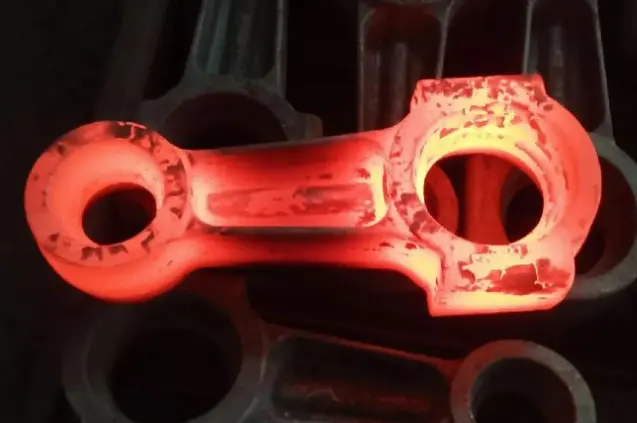
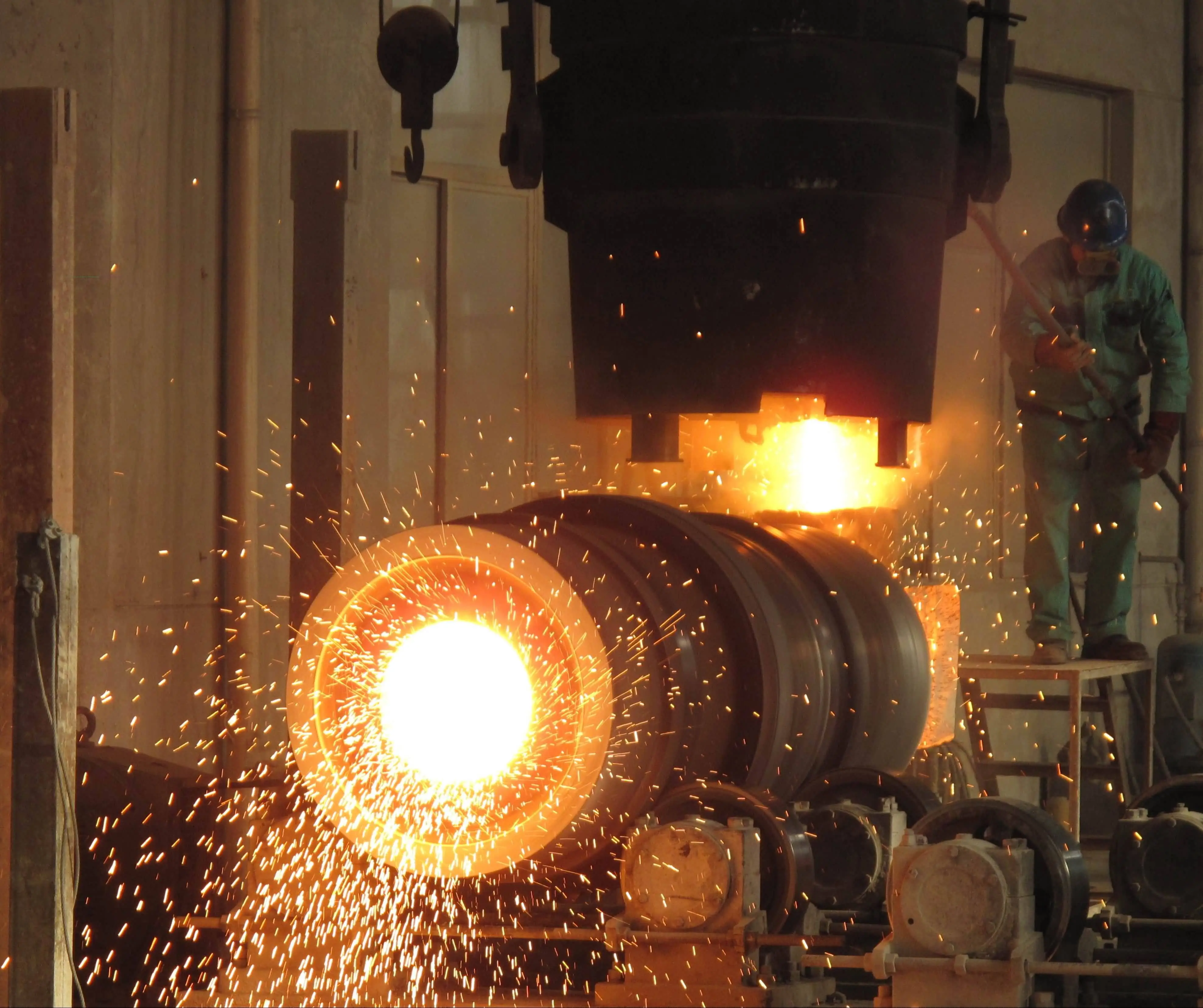
Material economy has now become a key concern for manufacturers working with aluminium components, especially in weight-sensitive sectors such as aerospace and automotive. The aluminium forging process has benefits over casting and machining from solid stock because it moulds metal by controlled plastic deformation, not by removal of material or by using the flow of molten metal. In this article, we look at how near-net-shape forming, grain orientation, die design, and temperature management come together to minimise waste and get the most value from every kilogram of aluminium produced.
How Does Near-Net-Shape Forging Reduce Material Waste?
Minimizing Excess Stock Removal
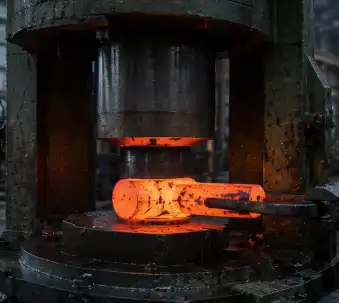
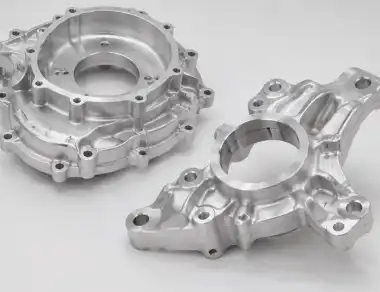
Near net shape forming generates parts with dimensions very near to the final ones, thus the quantity of material to be subsequently removed by machining is significantly reduced. The aluminium forging technique creates the metal directly into the desired geometry, and therefore producers do not suffer the large amounts of stock loss usually associated with machining a component from a solid billet or plate.
Reducing Flash and Trim Losses
Well-optimized preform shapes minimise the amount of surplus flash created when the die is filled, meaning less material that has to be cut away and discarded after forming. The volume is carefully calculated before each forging stroke so that just the appropriate quantity of flash is generated to fill the cavity completely, and scrap rates are kept low throughout production runs.
Material Flow and Grain Orientation for Better Material Utilization
Directional Grain Flow for Structural Efficiency
The advantage of forged aluminium parts is that the grain flow follows the shape of the part and is not interrupted by machining cuts. This directed alignment enables the engineers to design thinner sections in non-critical regions without compromising the strength, since the material itself works more effectively in its main load routes during the aluminium forging process.
Uniform Deformation Across the Workpiece
In a forging, uniform material flow may help to prevent localised thinning or thickening, which can both result in a waste of material or in structural problems. The simulation tools enable the engineer to estimate flow patterns before to production and alter preforms and dies to produce balanced deformation and uniform wall thickness.
Can Optimized Die Design Improve Aluminium Forging Efficiency?
Multi-Cavity and Progressive Die Strategies
Progressive die sequences divide complicated designs into manageable forming phases, enabling material to be incrementally moulded without overloading any location. This step-wise technique lowers the possibility of short fill or excessive flash, both of which immediately equate to material savings via the aluminium forging process.
Precision Cavity Design for Reduced Machining Allowance
The die's finer dimensional tolerances allow the parts to be forged closer to the final specification, decreasing the machining allowance that must be included in each part. This accuracy results in less material to be removed after forging and shorter processing periods downstream, boosting total output from each billet.
How Do Forging Temperature and Preform Design Affect Material Loss?
Controlling Temperature for Optimal Flow
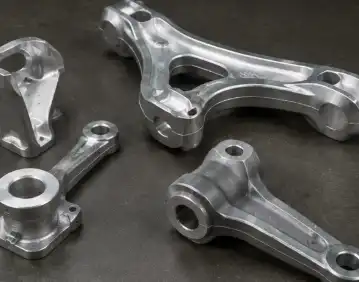
Aluminium alloys are usually forged within a very small temperature range, which balances workability with the danger of surface oxidation or grain coarsening. Staying in this range throughout the aluminium forging process results in better material flow and reduces the risk of underfilled cavities, which would have to be scrapped or reworked.
Perform Shape Optimization
The initial shape of the preform greatly determines the efficiency of material distribution in forging processes. The preform may be built such that volume is located where it is most needed in the final cavity, which reduces the overall amount of deformation needed and minimises the danger of localised thinning, folding or partial fill that would lead to material waste.
How Can the Aluminium Forging Process Reduce Machining and Scrap Costs?
Lower Downstream Machining Requirements
Near-net-shape forgings need less material removal, which means less wear on tools, less cycle time, and less machining downstream for manufacturers. This efficiency is multiplied across huge quantities of production, making the aluminium forging method an economically viable option for the manufacture of big quantity components.
Recyclability and Scrap Value Recovery
The aluminium waste created in the trimming process is still quite recyclable, so that producers may recoup the value of flash and offcuts, rather than seeing them as a total loss. Efficient near-net-shape design and conscientious scrap management further improve the total material efficiency obtained by forging.
Conclusion
The aluminium forging process method is very material efficient because of the near-net-shape forming, optimised die design, and controlled temperature, which results in lower waste and downstream machining costs. Established in 2001, China Welong has been providing quality control and engineering services for manufacturers globally with ISO 9001:2015 certifications and delivering to more than 100 clients for over 20 years. Work with Welong now to maximise your sourcing for aluminium components and minimise your material expenses.
FAQ
Q1: Why is aluminium forging more material-efficient than machining from solid stock?
A: Forging shapes metal near its final geometry through deformation rather than removal, leaving far less material to be cut away and discarded.
Q2: Does grain flow affect how much material a part actually needs?
A: Yes, favorable grain flow allows engineers to design thinner, lighter sections in certain areas without sacrificing strength, reducing overall material use.
Q3: How does die design influence material waste in aluminium forging?
A: Precise die cavities and progressive forming stages minimize excess flash and reduce the machining allowance needed after forging.
Q4: Can forging temperature really impact material efficiency?
A: Yes, maintaining the correct temperature range ensures smooth metal flow and complete cavity fill, preventing scrap from underfilled parts.
Q5: Is aluminium scrap from forging recyclable?
A: Yes, trimmed flash and offcuts are highly recyclable, allowing manufacturers to recover value even from material removed during production.
Optimize Your Aluminium Component Sourcing With Welong
Improving material efficiency starts with the right forging partner and precise engineering support. China Welong combines two decades of international supply chain experience with ISO 9001:2015-certified quality control and design capabilities using AutoCAD, Pro-Engineering, and SolidWorks to help reduce waste and machining costs. Whether you need customized aluminium components for automotive, aerospace, or industrial applications, our team is ready to support your project from drawing to delivery. Contact us today at metal@welongpost.com and let Welong help maximize the efficiency of your next aluminium forging process project.
References
1. American Society for Metals (ASM International), Metals Handbook: Forming and Forging, Volume 14.
2. Kalpakjian, S., and Schmid, S. R., Manufacturing Engineering and Technology, Pearson Education.
3. Altan, T., Ngaile, G., and Shen, G., Cold and Hot Forging: Fundamentals and Applications, ASM International.
4. Totten, G. E., and MacKenzie, D. S., Handbook of Aluminum: Physical Metallurgy and Processes, Marcel Dekker.
5. Byrer, T. G., Semiatin, S. L., and Vollmer, D. C., Forging Handbook, Forging Industry Association.
6. The Aluminum Association, Aluminum Forging Design Guidelines.

Share your inquiry, get the quotation accordingly!
China WELONG- Your Reliable Partner in Metal Solutions