How Closed Die Forging Tops Open Die Forging?
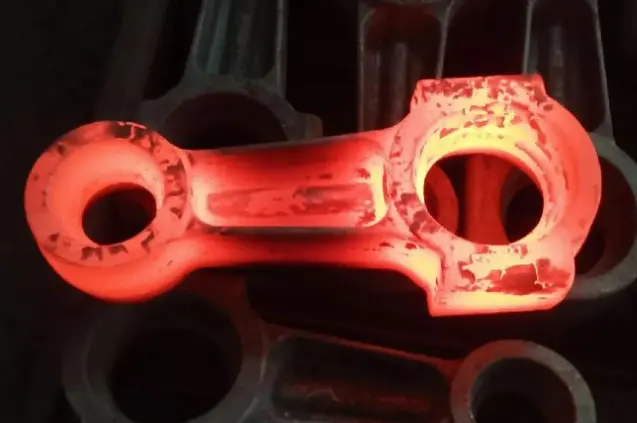
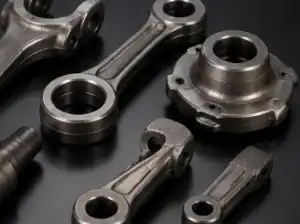
Close die forging is the preferred production process of choice when businesses want strict dimensional precision and dependable mechanical strength of components. The process of close die forging creates parts with uniform geometry, enhanced grain structure, and little material waste by forming metal inside a totally enclosed die chamber. These benefits are particularly critical to sectors such as automotive, aerospace, and oil drilling. In this article, the two ways of forging are reviewed, and the reasons why close die forging is still the preferred choice for complicated, high-strength components are explained.
Close Die Forging vs. Open Die Forging: Precision, Strength, and Production Efficiency
Comparing these two forging techniques can help understand why close die forging is the norm for pieces with accurate specifications.
Dimensional Precision and Repeatability
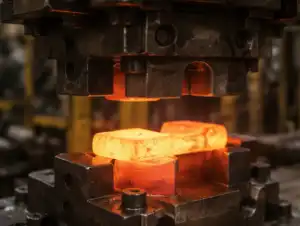
In open die forging, metal is formed between flat or basic-shaped dies and depends significantly on the operator's ability to reach final dimensions. In contrast, tight die forging limits the workpiece in a designed chamber that fits the geometry of the finished item, resulting in very consistent dimensions for large production runs. This repeatability makes close die forging particularly attractive to producers who want each product in a batch to be within the same tolerances and without a lot of extra machining.
Structural Strength and Production Speed
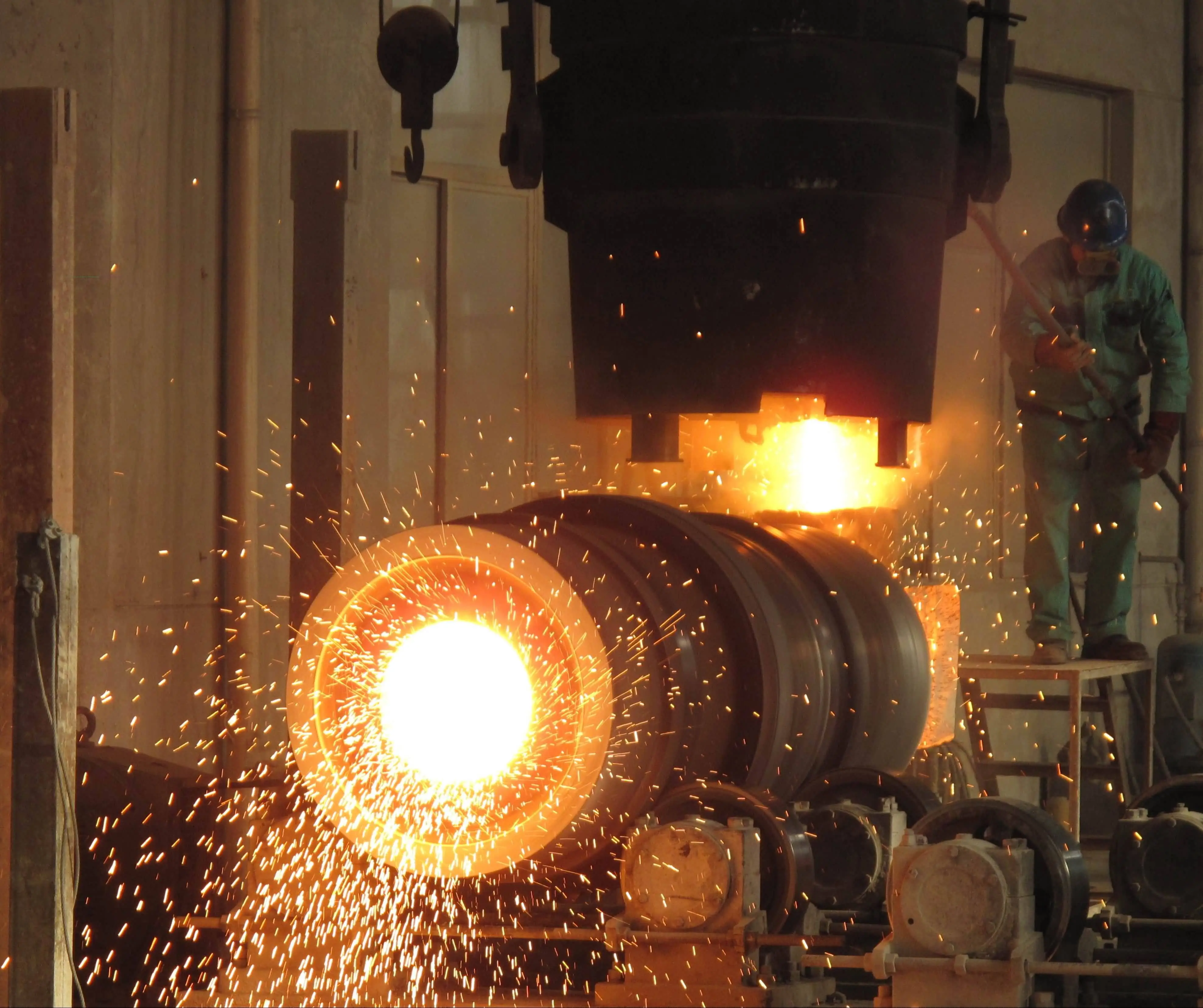
Close die forging confines the metal flow completely, resulting in denser and more homogeneous components with less internal porosity than usually seen in open die forging. The enclosed die design also allows for quicker cycle times after the tooling is set, since each stroke forms the part toward its ultimate shape. Close die forging is a more efficient method than open die forging, particularly for producing large quantities of robust, durable components.
Why Is Close Die Forging the Preferred Choice for Complex, High-Strength Components?
Close die forging may meet geometric and performance criteria that cannot be addressed with open die techniques, in addition to simple shaping.
Handling Complex Geometries
Open die processes can not correctly create components with ribs, flanges, bosses, or variable cross sections. Close die forging can handle these complicated designs quite well. The die cavity dictates the final shape; therefore, close die forging enables engineers to build complex features directly into the forging process, which minimizes the need for considerable machining later and retains the desirable grain structure obtained during forming.
Meeting High-Strength Application Demands
Industries that rely on components that are subject to high mechanical stress in service without failure include automotive, aircraft, and oil drilling. Close die forged parts have better structural integrity than cast or machined parts, since the forging process matches internal grain flow with the part geometry. This property makes close die forging the recommended approach if the component dependability under sustained load or multiple stress cycles is a crucial design requirement.
How Does Close Die Forging Improve Material Utilization, Grain Flow, and Mechanical Properties?
The metallurgical benefits of close die forging extend far beyond dimensional precision and directly affect the performance of a completed item in service.
Optimized Material Utilization
Since close die forging molds the metal in a tightly fitted chamber, less surplus material must be eliminated by subsequent machining than with open die forging or casting. This effective use of raw material minimizes cost and processing time, an advantage that becomes especially important when dealing with costly alloys used in aerospace or high-end medical applications where close die forging is often requested.
Continuous Grain Flow and Mechanical Properties
Close die forging provides one of the most essential metallurgical advantages in the generation of continuous grain flow throughout the item. When metal is pressed into the die cavity, the internal grain structure takes on the shape of the final form instead of being sliced across as in machining. The continuous grain flow that is typical of close die forging results in much higher fatigue resistance and toughness and in an overall better mechanical performance of the component than components produced by other production processes.
Conclusion
The accuracy, strength, and material efficiency of close die forging simply meet the demands of contemporary production. For complicated, high-strength components, close die forging is the obvious option over open die forging. Established in 2001, China Welong has been providing supplier development, buying supervision, and quality control services to worldwide manufacturers for over 20 years, especially in the automotive, oil drilling, aerospace, and high-end medical industries. Welong is ISO 9001:2015 Certified and trusted by more than 100 clients throughout the globe, ready to assist your next forging project with proven knowledge and dependability.
FAQ
Q1: What is the main difference between close die forging and open die forging?
A: Close die forging shapes metal within a fully enclosed cavity for precise, repeatable dimensions, while open die forging uses simpler dies requiring more manual shaping.
Q2: Why does close die forging produce stronger components?
A: Close die forging aligns internal grain flow with the part's final shape, resulting in denser structures with fewer internal voids than open die methods.
Q3: Is close die forging suitable for complex part geometries?
A: Yes, close die forging handles ribs, flanges, and varying cross-sections effectively because the die cavity itself defines the final component shape.
Q4: Does close die forging reduce material waste?
A: Close die forging minimizes excess material by shaping parts close to their final dimensions, reducing both machining time and raw material costs.
Q5: Which industries commonly rely on close die forging?
A: Automotive, aerospace, oil drilling, and high-end medical industries frequently rely on close die forging for high-strength, precision components.
Partner with Welong for Reliable Close Die Forging Solutions
Ready to source precision-engineered close die forging components for your next project? China Welong combines over 20 years of supply chain expertise with ISO 9001:2015 certified quality control, supporting leading manufacturers across the UK, Germany, the USA, and beyond. Our engineering team works from your drawings and samples, using AutoCAD, Pro-Engineering, and SolidWorks to deliver components that meet exact specifications. Contact us today at metal@welongpost.com to discuss your close die forging requirements and discover why global manufacturers trust Welong as their supply chain partner.
References
1. ASM International. (2005). Forging Handbook. ASM International.
2. Altan, T., Ngaile, G., & Shen, G. (2004). Cold and Hot Forging: Fundamentals and Applications. ASM International.
3. Dieter, G. E., Kuhn, H. A., & Semiatin, S. L. (2003). Handbook of Workability and Process Design. ASM International.
4. Kalpakjian, S., & Schmid, S. R. (2014). Manufacturing Engineering and Technology. Pearson.
5. ISO 6930:2020, Open and Closed Die Steel Forgings for General Engineering Purposes. International Organization for Standardization.
6. Lange, K. (1985). Handbook of Metal Forming. McGraw-Hill.

Share your inquiry, get the quotation accordingly!
China WELONG- Your Reliable Partner in Metal Solutions