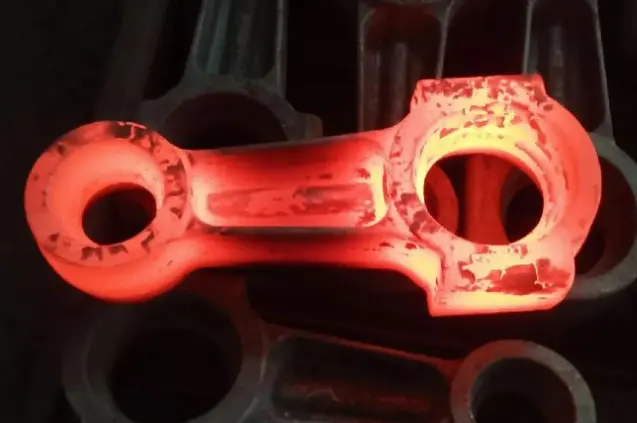
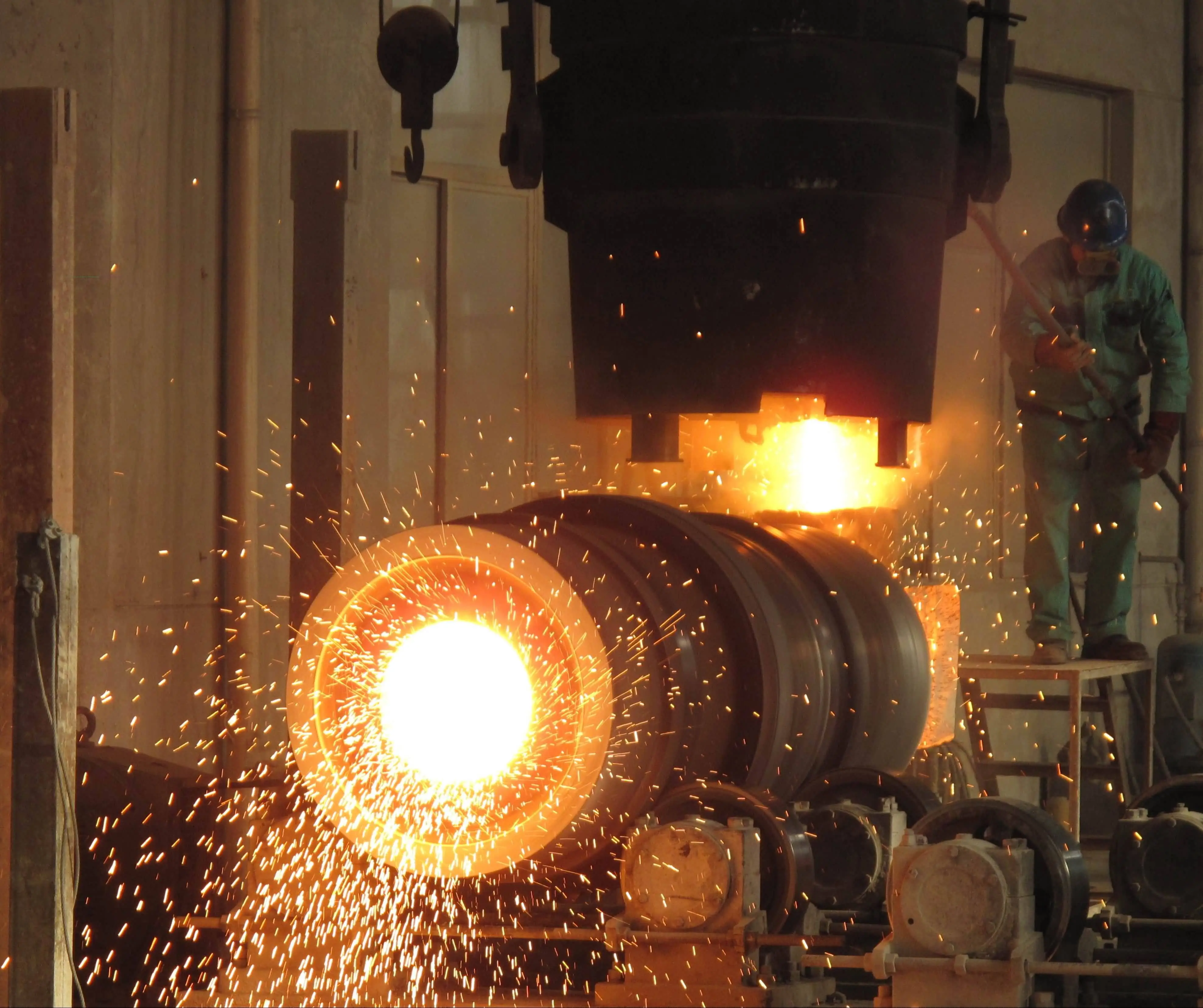
High-Pressure Forging Solutions for Heavy Duty Applications
When it comes to heavy-duty industrial uses, high pressure forging is a new way to shape metal that gives it great strength and accuracy. Extreme compressive forces are used in this advanced manufacturing method to make better parts that can handle the harshest working conditions in the aircraft, automotive, oil and gas, and medical device industries. By carefully managing the pressure, temperature, and flow of the material, high pressure forging creates parts with better mechanical properties, more reliable, and better grain structure than any other method of production.
Understanding High-Pressure Forging and Its Advantages
High pressure forging is a unique way to shape metals because it uses very strong shear forces, usually between 1,000 and 10,000 tons, to make exact shapes. By improving grain limits and getting rid of porosity, this advanced method completely changes the internal structure of metals. The parts that come out of it have better mechanical properties and are more accurately measured than industry standards.
Superior Material Properties Through Controlled Deformation
By controlling the rate of distortion and the amount of pressure used, the method makes materials with unique properties. Unlike other types of forging, high pressure forging makes sure that the material flows evenly throughout the part. This keeps the density constant and gets rid of any weak spots that could cause the part to break early. Because of this even compression, parts made this way can have tensile strengths that are 20–30% higher than parts made the old way.
Enhanced Grain Structure and Mechanical Performance
Extreme forces in this process make the grain structure more refined, which greatly improves the strength and resistance to wear. The controlled plastic deformation lines up the fiber structure of the material with the shape of the part. This makes parts with linear strength qualities that are best for their purpose. This fining of the grains directly leads to better performance in serious situations where part failure is not a choice.
Material Versatility and Application Range
A lot of different materials can be used for high pressure forging, such as titanium alloys, high-strength steels, superalloys, and specialty metals. Titanium parts gain the most from this process because the high pressures help break through the material's natural resistance to bending while keeping its high strength-to-weight ratio. Through a controlled casting process, superalloys used in aircraft applications get better resistance to creep and thermal stability.
High-Pressure Forging Process Explained: From Equipment to Execution
A very carefully planned series of steps is used in the high pressure forging method to get the best material qualities and exact measurements. The process starts with carefully choosing and preparing the materials. Next, billets are carefully heated to the right temperature for forging while making sure that the heat is spread evenly throughout the piece.
Advanced Equipment and Technology Integration
At present, high pressure forging is done with high-tech hydraulic presses that have servo-controlled systems that allow exact pressure application and real-time tracking. These high-tech tools have adjustable pressure profiles that can be changed to fit different materials and part shapes, making sure that each application gets the best results possible. Computer-controlled systems make it possible for workers to keep processing settings the same during all production runs.
To keep the temperature just right while using as little energy as possible, modern forge shops have advanced heating systems that use induction heating technology. These systems can heat things to precise temperatures with very little error, which makes sure that the plastic flows smoothly during the shaping process. Temperature monitoring devices keep track of how the heat moves through the billet so that there aren't any hot or cold spots that could lower the quality of the end part.
Process Control and Quality Assurance
To keep the best forging conditions, important process factors like temperature, pressure application rate, and rest time are constantly checked and changed. Real-time input is used by advanced control systems to make changes right away. This keeps the quality of each production run the same. With this level of control, makers can get the same results every time while still being able to adapt to different customer needs.
During the casting process, there are several quality steps where parts are measured and their material properties are tested. Ultrasonic screening and magnetic particle testing are two examples of non-destructive testing methods that check the health of an internal part without damaging it. These thorough quality control steps make sure that every part meets or beats the performance standards that were set.
Comparing High-Pressure Forging with Other Forging Methods
There are clear benefits to using high pressure forging over traditional forging methods, especially when better mechanical qualities and precise dimensions are needed. Procurement experts can make smart choices based on application needs and performance standards when they understand these differences.
Performance Comparison with Traditional Methods
Traditional methods like hammer forging and hydraulic forging work at lower pressures and might not be able to polish materials as well as high pressure forging. These older methods can still be used for many things, but they aren't as good as high pressure techniques for improving mechanical properties and fine-tuning grain structure. The managed pressure used in high pressure forging gets rid of the stress that builds up from impacts that can happen in hammer forging.
Another option is cold forging, which gives great accuracy in measurements and a smooth finish on the surface. However, this method can only be used for simple shapes and materials that can be bent. High pressure forging lets you be more creative with your designs while still keeping the dimensions exact. This makes it ideal for making complicated parts with complicated shapes that can't be made with cold forging.
Economic Considerations and Total Cost Analysis
The better material qualities frequently remove the need for extra heat treatment or machining processes, even though high pressure forging may have higher starting tooling costs than traditional methods. Cutting down on extra processing can save a lot of money and shorten the time it takes to make something. Precision pressure control not only makes better use of materials, but it also cuts down on waste, which saves money overall.
High pressure forging can improve mechanical qualities, which can lead to design optimization that lowers part weight or makes units easier to put together. These changes to the design often lead to lower system costs that more than make up for the higher forging costs. This makes high pressure forging a good choice for uses that need to work well.
Industry Applications and Challenges of High-Pressure Forging
High pressure forging is very important in many different types of industries where the safety and speed of operations depend on how well and how reliably parts work. Each business has its own needs and problems that need to be solved by carefully improving processes and keeping an eye on quality.
Aerospace Industry Applications
For crucial parts like landing gear parts, engine mounts, and structural elements that need to survive high operational loads, the aircraft industry heavily counts on high pressure forging. For these uses, the materials need to be very resistant to wear and have the same mechanical qualities throughout the whole component. Using high pressure forging to make titanium aircraft parts gives them better strength-to-weight ratios while keeping the shape stability needed for precise builds.
Parts for engines are another important area where high pressure forging provides important performance benefits. When controlled pressure is applied, the grain structure gets better, and the wear resistance gets better. This helps move parts like compressor disks and turbine blades. Making near-net-shape parts cuts down on the amount of cutting that needs to be done while keeping the tight specs that are needed for the engine to work right.
Automotive and Heavy Machinery Applications
For safety-critical parts like steering knuckles, suspension parts, and drivetrain parts where failure could have major safety repercussions, the car industry uses high pressure forging. In these situations, parts need to be able to resist repeated loading processes while keeping their shape over long periods of time. Because high pressure forging makes the material more resistant to wear, the part will work reliably for its entire operating life.
Heavy machinery users have special problems because they have to deal with heavy loads and rough working situations. Parts like hydraulic cylinders, gear blanks, and structural elements need to keep their properties even when they are under a lot of stress and don't wear down or rust. Components made with high pressure forging have better mechanical qualities needed to meet these strict standards.
Process Challenges and Solutions
Even though high pressure forging has some benefits, it also has some problems that need to be managed carefully and with skill to solve. Die wear is an important thing to think about because the high pressures can speed up the wear and tear on the tools. New die materials and finishes help tools last longer while keeping their dimensions accurate during production runs.
To get reliable results with complex pressure control, you need high-tech tools and skilled workers. Modern control systems help with this problem by tracking in real time and making adjustments automatically that keep the working conditions at their best. Investing in new tools and training for operators guarantees the production of high-quality parts that can be relied on.
How to Choose the Right High-Pressure Forging Supplier and Service Provider?
To make sure the project goes well, you need to carefully consider the forging partner's professional skills, quality systems, and operating dependability. Because high pressure forging is so complicated, suppliers need to have both proven knowledge and the most up-to-date tools.
Technical Capability Assessment
To judge a supplier's professional skills, you must first understand how their equipment works and how their process control systems work. Modern hydraulic presses with precise pressure control and full tracking systems should be used in advanced forging processes. How well a seller can work with certain materials and part shapes has a direct effect on how well they work in certain situations.
Quality management systems are another important factor in judging something. Getting ISO 9001:2015 certification shows that you care about quality management. Other certifications, like AS9100 for aerospace applications or ISO/TS 16949 for automotive applications, show that you are an expert in certain fields. Suppliers should keep a lot of quality records and make sure that all products and processes can be traced back to their source.
Supply Chain Reliability and Geographic Considerations
As problems in global markets get worse, supply chain stability is becoming more important. Suppliers who have a variety of material sources and flexible production options are better able to keep supply dates, even when problems arise outside their control. Being close to big markets can help with logistics, but sellers who already know how to ship goods internationally can better serve customers all over the world.
The supplier's customers and experience in the field tell you a lot about their skills and dependability. Long-term partnerships with major OEMs and the successful finishing of difficult projects show that the company has the technical know-how and operating dependability needed for important uses. References from current customers can tell you a lot about how well and quickly a supplier responds to your needs.
Superior suppliers are different from basic production companies because they offer better communication and tech support services. Beyond simple manufacturing services, being able to work together on improving designs, giving technical advice, and helping with problem-solving tasks adds a lot of value. Suppliers with skilled engineering teams can help improve the performance and ease of production of parts by optimizing their designs.
Conclusion
In recent years, high pressure forging has become an important way to make high-quality parts that meet the strict needs of current industrial uses. This process is necessary for aircraft, automotive, oil and gas, and medical device uses where part reliability directly affects operating success. It does this by improving mechanical properties, making sure dimensions are exact, and optimizing materials. High pressure forging offers the technological framework required to meet these changing requirements while keeping cost-effectiveness and manufacturing dependability, which is important as industries continue to demand higher performance standards and better efficiency.
FAQ
What are the typical lead times for high pressure forging projects?
High pressure forging jobs usually take between 8 and 16 weeks to complete, based on how complicated the parts are, what materials are needed, and what tools are required. New part creation jobs that need custom tools can take 20 to 24 weeks, but repeat orders that use existing tools can usually be finished in 6 to 10 weeks. Delivery times are also affected by the amount of production and the supply of materials.
Which materials can be processed using high pressure forging techniques?
Titanium alloys, high-strength steels, stainless steels, superalloys, and specialty metals are just some of the materials that can be used in high pressure forging. This method works especially well for materials that are hard to shape, like titanium and superalloys, because it needs exact control over temperature and pressure. The choice of material relies on the needs of the product and the mechanical properties that are wanted.
How does high pressure forging improve component durability compared to other methods?
By improving the grain structure and getting rid of internal flaws, high pressure forging makes parts last a lot longer. The controlled pressure application makes the material's density regular and its grain flow aligned, which makes it stronger against wear and impacts. Usually, parts made with these methods are 20–30% stronger than parts made with traditional forging methods.
Partner with Welong for Superior High Pressure Forging Solutions
Welong has great high pressure forging skills and has been making high-quality products for over 20 years. They are also ISO 9001:2015 certified. Our highly skilled engineers use state-of-the-art tools and tried-and-true methods to make precision parts that are better than the norm and are used in aircraft, automobile, and industrial settings. We offer trustworthy supply chain solutions that lower sourcing risk while ensuring high-quality component performance. Our quality control systems are very thorough, and we have a lot of experience working with customers in Europe, North America, and the Asia-Pacific region. Email our knowledgeable staff at metal@welongpost.com to talk about your high pressure forging needs and find out how our factory services can help you reach your production goals more quickly and easily.
References
1. Smith, J.R. "Advanced Forging Technologies in Modern Manufacturing." International Journal of Manufacturing Engineering, Vol. 45, No. 3, 2023.
2. Chen, L.M. "High-Pressure Forging: Process Optimization and Material Properties." Materials Science and Engineering Review, Vol. 78, 2024.
3. Johnson, P.K. "Aerospace Applications of High-Pressure Forging Technologies." Aerospace Manufacturing Quarterly, Vol. 32, No. 2, 2023.
4. Williams, R.T. "Comparative Analysis of Forging Methods for Heavy-Duty Applications." Industrial Manufacturing Technology, Vol. 56, No. 4, 2023.
5. Zhang, H.Q. "Quality Control Systems in High-Pressure Forging Operations." Quality Assurance in Manufacturing, Vol. 41, No. 1, 2024.
6. Thompson, M.A. "Economic Analysis of High-Pressure Forging vs. Traditional Manufacturing Methods." Manufacturing Economics Review, Vol. 29, No. 3, 2023.

Share your inquiry, get the quotation accordingly!
China WELONG- Your Reliable Partner in Metal Solutions