Furnace Roll Manufacturing: How Is Quality Ensured?
Making furnace rolls is very important for fields that need to handle things at high temperatures all the time, like steel, metallurgy, heat treatment, and making advanced materials. How well a furnace roll works directly impacts how much is made, the quality of the material, and how stable the process is. Because furnace rolls often have to work in conditions of high temperatures, heavy loads, and constant spinning, companies that make them have to follow strict engineering standards, use high-tech materials, and have thorough quality control processes. This article talks about how professional manufacturers make sure the quality of furnace rolls by using precise manufacturing methods, choosing the right materials, inspecting them, and keeping them in good shape.
What Are the Key Steps in Furnace Roll Manufacturing?
Engineering Design and Production Planning
The first step in making furnace rolls is to do a thorough engineering design and production plan. To make good designs, manufacturers look at things like the temperature of the kiln, its load capacity, spinning speed, and the amount of material that needs to be moved. A good furnace roll needs to be the right size, have the right amount of structural strength, and work as well as it can at high temperatures. Professional suppliers use advanced CAD software and engineering analysis tools to make sure that every design meets customer needs before production begins. This lowers the chance of mistakes happening during production.
Precision Machining and Assembly Processes
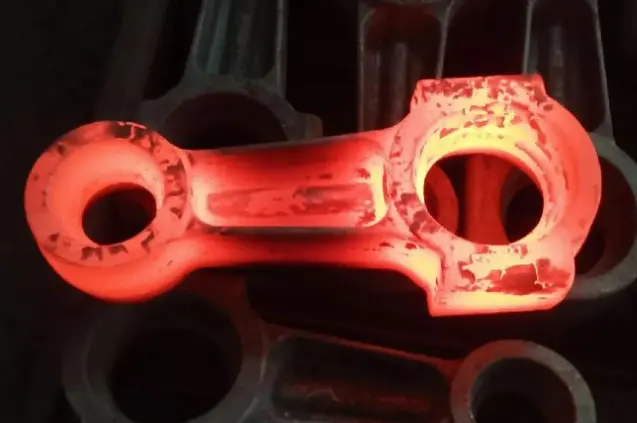
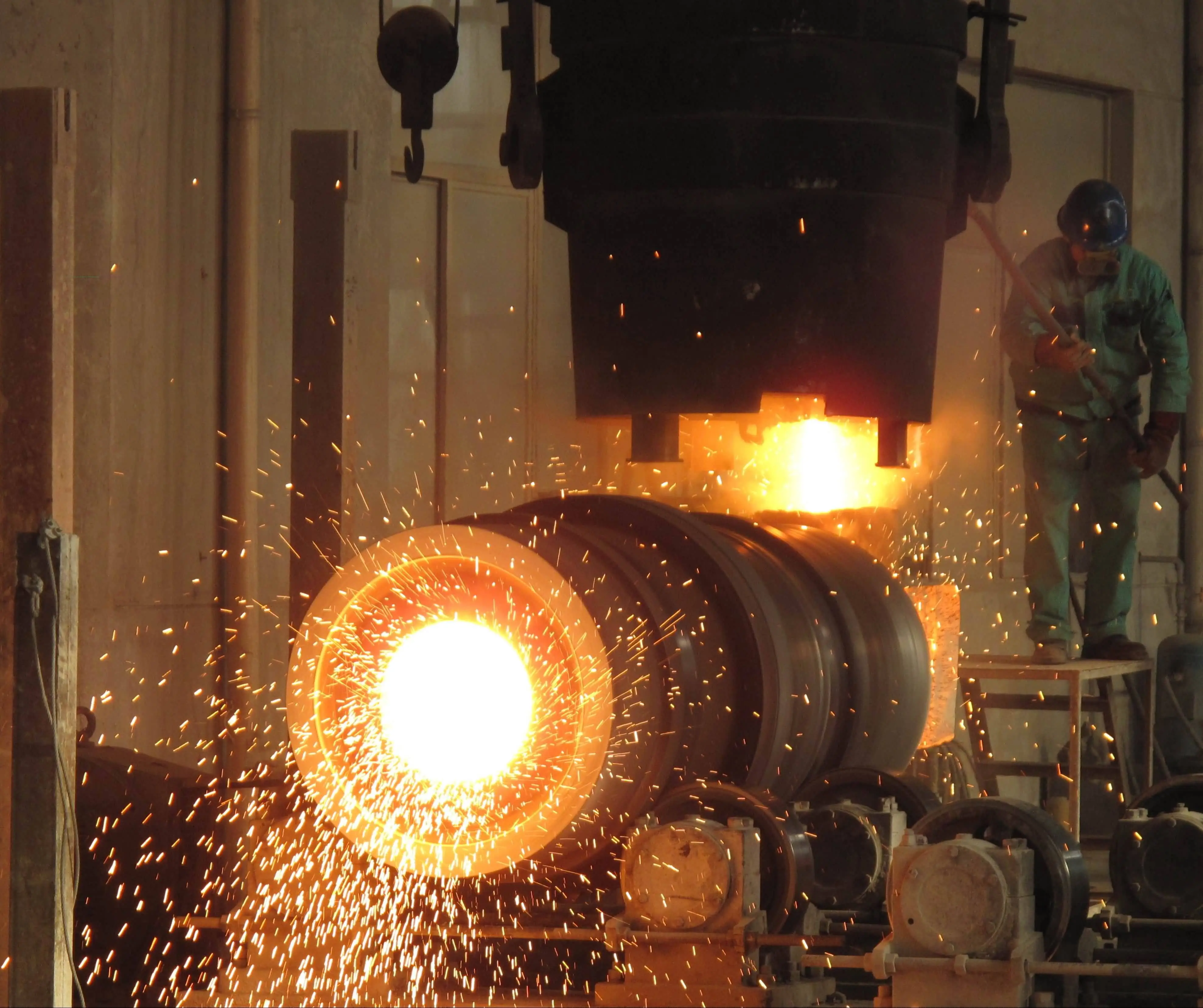
To make a reliable furnace roll, you need to do a lot of precise machining. To get very accurate measurements, manufacturing processes often include forging, machining, welding, balancing, and finishing the surface. During production, skilled engineers keep a close eye on every step to make sure that the finished furnace roll can work reliably in hot places. Tough process management and state-of-the-art machining tools help make products more consistent, last longer, and work better overall.
Materials and Heat Treatments That Ensure Furnace Roll Durability
Selecting High-Temperature Resistant Materials
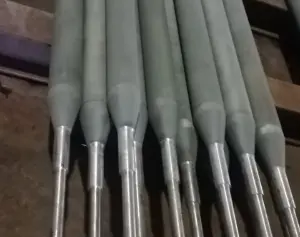
The long-term dependability of a furnace roll that works in harsh manufacturing circumstances depends on the materials that are used. Heat-resistant metals, stainless steels, and special steels made for high-temperature uses are all common materials. These materials are very strong mechanically, don't rust, and stay stable at high temperatures. Manufacturers can make a furnace roll that stays structurally sound during constant heating and cooling cycles by choosing the right materials based on the needs of the application.
Heat Treatment for Enhanced Mechanical Properties
Another important step that makes a boiler roll work better is heat treatment. The right way to heat treat something can make it harder, stronger, and more resistant to thermal stress. Controlled heating and cooling help make the inside structure of the material better when furnace rolls are being made. Professional makers know how to treat materials with advanced heat treatment technologies to make sure that each furnace roll works well and lasts a long time in harsh industrial settings.
How Precision Engineering Improves Furnace Roll Performance
Advanced Manufacturing Technology and Accuracy Control
Modern industrial technology makes furnace rolls work much better by making output more accurate and reliable. Manufacturers can keep tight tolerances on sizes with the help of advanced CNC machining, automated inspection systems, and digital modelling. A perfectly made furnace roll lowers vibrations, makes it easier to move materials without shifting, and helps with constant production efficiency. Advanced tools like Auto CAD, Pro-Engineering, and SolidWorks are used by engineering teams to make designs better based on customer sketches and the needs of the application.
Customized Solutions for Different Industrial Applications
Depending on how they are used, different industries need different types of furnace roll designs. Customised engineering solutions let manufacturers change the size, material, cooling systems, and surface treatments of parts to fit different production environments. Professional sellers focus on being able to make things in a variety of ways to meet the wants of their customers. Welong makes custom industrial metal products from drawings and samples. They help customers all over the world with professional engineering services and manage the supply chain.
Common Quality Control Measures in Furnace Roll Production
Dimensional Inspection and Performance Testing
To make sure that every furnace roll works, they must all go through strict quality checks. Part of the manufacturing process is measuring sizes, checking surfaces, making sure materials are correct, and testing machines. These checks make sure that every boiler roll meets the requirements before it is sent out. Modern testing tools and skilled quality teams help find problems during production and keep product quality consistent for use in industries around the world.
International Quality Management Standards
One important way to make furnace rolls more reliable is to follow international quality control standards. Certified manufacturing systems, like ISO 9001:2015 quality management, set up structured ways to keep an eye on production, manage suppliers, and do inspections. Welong uses strict quality management methods and offers expert industrial supply chain services. These help customers get reliable custom metal products with stable quality and production processes that can be tracked.
Maintenance and Inspection Tips to Preserve Furnace Roll Quality
Regular Inspection for Long-Term Operation
A boiler roll's performance and dependability are kept up over its working life with regular inspections. During normal production, operators should keep an eye on the surface's state, alignment, rotational stability, and any signs of wear. Early inspection helps find potential problems and handle them quickly. Maintenance that is done the right way helps the furnace roll last longer and keeps industrial production going.
Optimizing Operating Conditions and Maintenance Planning
To get the most out of boiler rolls, you need to plan their maintenance well. Industrial users should set inspection schedules based on the temperature, the amount of work being done, and the needs of the application. Keeping tools in good working conditions lowers the stress it has to deal with and boosts production. With professional production quality and the right repair plans, businesses can make their furnace roll systems more reliable and get more use out of them.
Conclusion
For furnace rolls to be of high quality, they need to be made with advanced engineering, the right materials, precise machining, and strict inspection procedures. Welong is a skilled international integrated supply chain service provider that has been around since 2001 and specialises in making unique metal goods for industry. Welong helps customers around the world by managing suppliers, keeping an eye on purchases, and making sure the quality of the products they make is up to ISO 9001:2015 standards. Welong continues to support smart production and offer dependable business solutions all over the world, with goods sent to places like Europe, the United States, Australia, and Asia.
FAQ
1. What factors affect the quality of a furnace roll?
The quality of a furnace roll depends on material selection, manufacturing accuracy, heat treatment processes, welding quality, and inspection standards. Proper engineering design is also important for ensuring reliable operation under high-temperature conditions.
2. Which materials are commonly used for furnace roll production?
Furnace rolls are commonly manufactured from heat-resistant alloys, stainless steel, and specialized steel materials. The selected material depends on temperature requirements, load conditions, and the specific industrial application.
3. How do manufacturers test furnace roll performance?
Manufacturers use dimensional inspection, material testing, surface inspection, balancing tests, and quality management procedures to verify furnace roll performance before shipment.
4. Why is heat treatment important for furnace rolls?
Heat treatment improves the mechanical properties of furnace rolls by enhancing strength, hardness, and resistance to thermal stress, helping them maintain stable performance in high-temperature environments.
5. Can furnace rolls be customized according to customer requirements?
Yes. Professional manufacturers can customize furnace rolls based on customer drawings, samples, operating conditions, and specific production requirements to provide optimized industrial solutions.
Choose Welong for Reliable Furnace Roll Manufacturing Solutions
Welong provides customized industrial metal products with professional engineering support and international supply chain management experience. Over the past 20 years, Welong has served customers in the UK, Germany, France, Italy, Poland, the USA, Canada, Sweden, Australia, New Zealand, Singapore, and India. With advanced design capabilities, strict quality control, and ISO 9001:2015 certification, Welong is committed to delivering reliable furnace roll solutions for global industries. Contact Welong today at metal@welongpost.com to discuss your customized manufacturing requirements and build a stronger industrial supply chain partnership.
References
1. ASM Handbook Volume 4: Heat Treating – Materials and Processing Technologies
2. ASTM International Standards for Heat-Resistant Steel and Alloy Materials
3. International Journal of Advanced Manufacturing Technology – Precision Machining Research
4. Steel Research International – High Temperature Processing Equipment Studies
5. ISO 9001:2015 Quality Management Systems – Manufacturing Quality Guidelines
6. AIST Steel Technology Proceedings – Furnace Equipment and Steel Production Engineering

Share your inquiry, get the quotation accordingly!
China WELONG- Your Reliable Partner in Metal Solutions