Forged vs Cast Steel: Strength and Durability Comparison
When selecting materials for critical industrial applications, forged steel parts the choice between forged and cast steel significantly impacts your project's performance and longevity. Forged steel parts consistently demonstrate superior strength, typically exhibiting 15-20% higher tensile strength than cast alternatives due to their refined grain structure and elimination of internal voids. While cast steel offers design flexibility and cost advantages for complex geometries, forged steel manufacturing creates components with enhanced fatigue resistance and mechanical reliability essential for aerospace, automotive, and high-pressure applications.
Understanding Steel Manufacturing Processes
The fundamental difference between forged and cast steel lies in their production methods, which directly influence material properties and performance characteristics.
Forging Process Overview
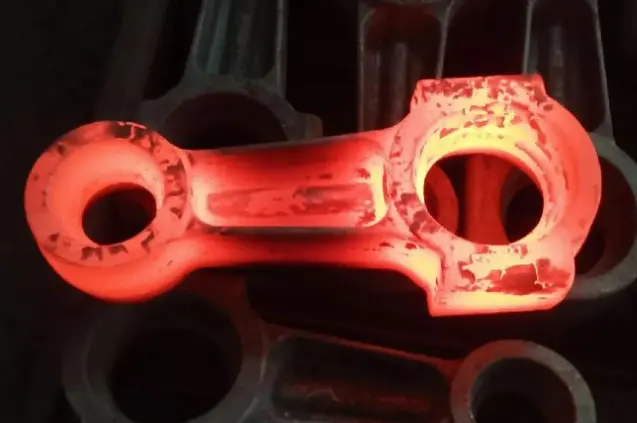
Forging involves heating steel above its recrystallization temperature and applying controlled pressure through hammering, pressing, or rolling. This process refines the grain structure and eliminates internal defects. The forged steel components typically undergo multiple heating and shaping cycles, creating a uniform, dense material structure.
Key forging techniques include:
- Open-die forging for large components
- Closed-die forging for precise shapes
- Ring rolling for cylindrical parts
- Isothermal forging for complex geometries
Casting Process Fundamentals
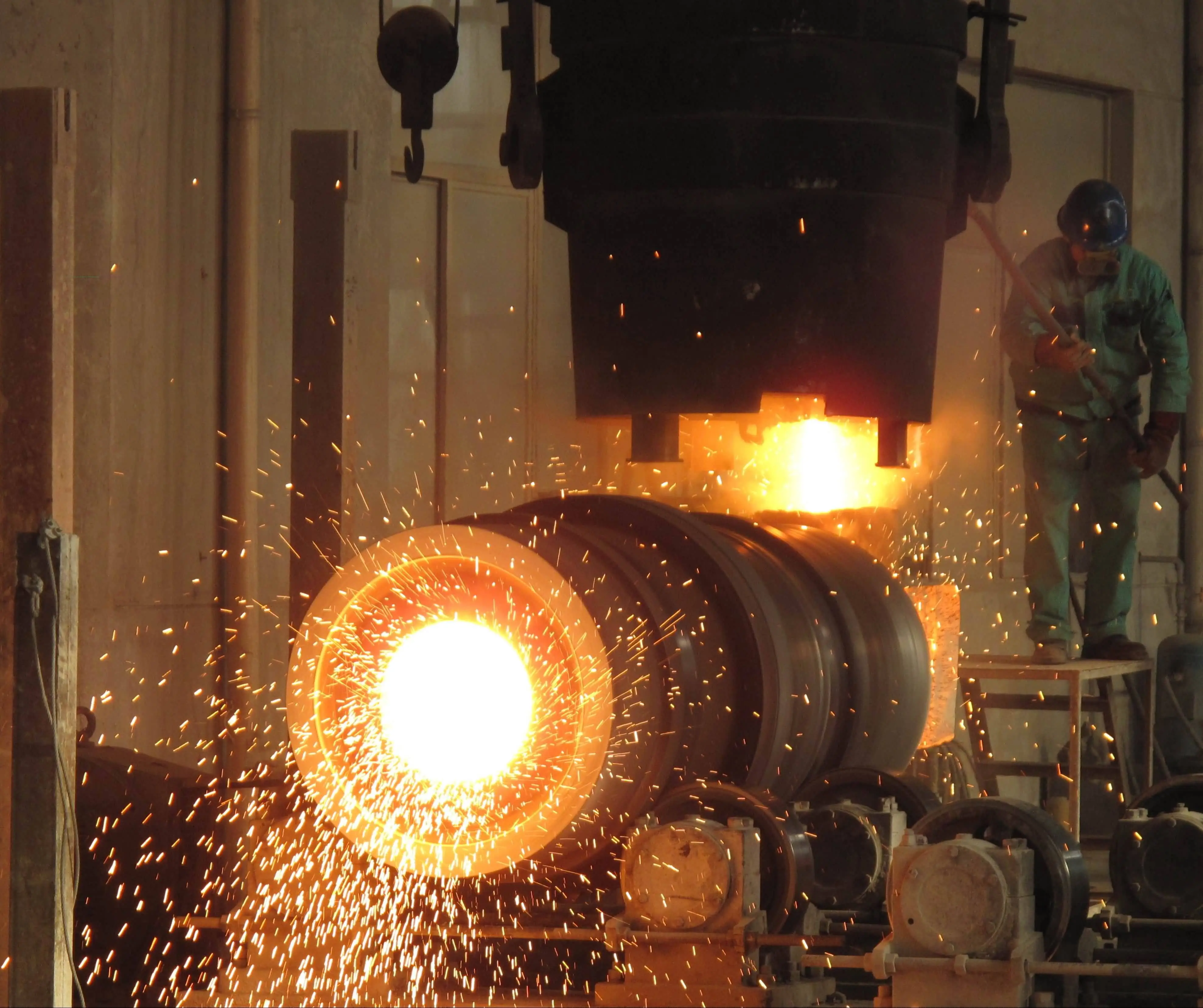
Steel casting involves melting steel and pouring it into molds where it solidifies into the desired shape. This process allows for intricate designs but introduces potential weaknesses through cooling-related shrinkage and porosity.
Common casting methods include:
- Sand casting for versatile applications
- Investment casting for precision parts
- Die casting for high-volume production
- Centrifugal casting for cylindrical components
The cooling rate during casting significantly affects the final microstructure and mechanical properties of the finished product.
Mechanical Strength Analysis
Understanding the mechanical differences between forged and cast steel helps engineers make informed material selections for demanding applications.
Tensile Strength Comparison
Laboratory testing consistently shows forged steel's forged steel parts superior tensile strength performance. Typical forged steel exhibits tensile strength values of 550-750 MPa, while comparable cast steel ranges from 450-650 MPa. This 15-20% advantage stems from forging's grain refinement and directional fiber structure.
Yield Strength Performance
Forged steel demonstrates higher yield strength due to work hardening during the forging process. Test data indicates:
- Forged steel yield strength: 350-500 MPa
- Cast steel yield strength: 250-400 MPa
Impact Resistance Properties
Charpy impact tests reveal significant differences in energy absorption capabilities. Forged steel typically absorbs 40-80 Joules at room temperature, while cast steel absorbs 20-50 Joules under identical conditions. If you need components subjected to sudden loading or shock conditions, forged steel provides superior performance and reliability.
Durability and Fatigue Resistance
Long-term performance under cyclic loading distinguishes forged steel from cast alternatives in critical applications.
Fatigue Life Characteristics
Fatigue testing demonstrates forged steel's exceptional endurance limits. The absence of casting defects and refined microstructure contributes to:
- 2-3 times longer fatigue life compared to cast steel
- Higher endurance limits under cyclic loading
- Better crack propagation resistance
Corrosion Resistance Factors
Both materials can achieve similar corrosion resistance through proper alloying and surface treatments. However, forged steel's dense structure provides inherently better protection against corrosive environments.
Surface treatments enhance durability:
- Heat treatment optimization
- Protective coating applications
- Surface hardening processes
- Stress relief procedures
If you need components operating in harsh environments with extended service life requirements, forged steel manufacturing offers superior long-term reliability.
Cost and Manufacturing Considerations
Economic factors significantly influence material selection decisions for industrial procurement managers.
Initial Investment Analysis
Forged steel parts typically require a higher upfront investment due to:
- Complex tooling requirements
- Energy-intensive heating processes
- Skilled labor demands
- Quality control procedures
Cast steel offers cost advantages through:
- Lower tooling costs for complex shapes
- Reduced material waste
- Faster production cycles
- Simplified manufacturing processes
Total Cost of Ownership
While forged steel demands a higher initial investment, forged steel parts, the total cost analysis often favors forging for critical applications:
- Reduced maintenance requirements
- Extended service intervals
- Lower replacement frequency
- Improved operational reliability
Production Volume Considerations
Manufacturing economics vary significantly with production volume:
- Low volumes: Casting may offer cost advantages
- High volumes: Forging becomes more economical
- Custom applications: Both processes are viable depending on complexity
If you need cost-effective solutions for high-volume standard components, forged steel provides excellent value through extended service life and reduced maintenance costs.
Application-Specific Recommendations
Different industries require specific material characteristics that influence the forged versus cast steel selection process.
Aerospace Applications
The aerospace industry demands exceptional strength-to-weight ratios and reliability. Forged steel components dominate critical applications, including:
- Landing gear components
- Engine mounting hardware
- Structural fasteners
- Control system parts
Test data shows forged aerospace parts achieve 99.9% reliability ratings compared to 97-98% for cast alternatives.
Automotive Industry Requirements
Automotive applications balance performance with cost considerations. Forged steel excels in:
- Crankshafts and connecting rods
- Transmission components
- Suspension elements
- High-stress fasteners
Cast steel finds applications in:
- Engine blocks and housings
- Decorative components
- Low-stress structural parts
Oil and Gas Sector Demands
Harsh operating environments in oil and gas applications favor forged steel for:
- Valve bodies and trim
- Pipe fittings and flanges
- Downhole tool components
- Pressure vessel parts
The superior fatigue resistance and corrosion performance justify the higher initial cost through reduced downtime and maintenance.If you need components for critical oil and gas applications, forged steel parts quality control and performance characteristics provide essential operational reliability.
Welong's Forged Steel Parts Advantages
Welong's comprehensive forged steel manufacturing capabilities deliver exceptional value for industrial customers requiring precision components:
Advanced Manufacturing Technologies: Our ISO 9001:2015 certified facilities utilize state-of-the-art forging equipment and heat treatment systems to ensure consistent quality and dimensional accuracy across all production runs.
- Engineering Design Support: Our experienced engineering team provides complete design optimization services using AutoCAD, Pro-Engineering, and SolidWorks to enhance component performance while reducing manufacturing costs.
- Comprehensive Quality Control: Rigorous inspection protocols include material certification, dimensional verification, mechanical property testing, and non-destructive examination to guarantee compliance with international standards.
- Custom Solution Development: We specialize in developing forged steel components from customer drawings and samples, accommodating unique specifications and performance requirements across diverse industrial applications.
- Global Supply Chain Excellence: With over 20 years of experience serving customers in Europe, North America, and the Asia-Pacific regions, we understand international quality standards and delivery requirements.
- Material Traceability: Complete documentation and material certification ensure full traceability from raw material sourcing through final inspection and delivery to customer specifications.
- Cost-Effective Production: Strategic manufacturing partnerships and optimized processes deliver competitive pricing while maintaining the superior quality standards required for aerospace, automotive, and industrial applications.
- Technical Consultation Services: Our metallurgy experts provide guidance on material selection, heat treatment optimization, and surface finishing to maximize component performance and service life.
- Flexible Production Capacity: Scalable manufacturing capabilities accommodate both prototype development and high-volume production requirements with consistent quality and on-time delivery performance.
- International Compliance: All forged steel parts meet relevant industry standards, including ASTM, DIN, JIS, and customer-specific requirements, with comprehensive certification documentation.
Quality Control and Standards Compliance
Maintaining consistent quality across forged steel production requires comprehensive testing and certification protocols.
Material Property Verification
Quality control procedures include:
- Chemical composition analysis
- Mechanical property testing
- Microstructure examination
- Non-destructive testing methods
International Standards Adherence
Forged steel manufacturing must comply with various international standards:
- ASTM specifications for material properties
- ISO 9001:2015 quality management systems
- Industry-specific certifications
- Customer-defined requirements
Inspection and Testing Protocols
Advanced testing capabilities ensure product reliability:
- Ultrasonic testing for internal defect detection
- Magnetic particle inspection for surface cracks
- Hardness testing for heat treatment verification
- Dimensional inspection for geometric accuracy
If you need guaranteed compliance with international standards and comprehensive quality documentation, proper supplier selection becomes critical for project success.
Conclusion
The comparison between forged and cast steel reveals distinct advantages for each manufacturing process. Forged steel consistently delivers superior mechanical properties, including 15-20% higher tensile strength, enhanced fatigue resistance, and improved durability for critical applications. While cast steel offers design flexibility and cost advantages for complex geometries, forged steel components provide exceptional reliability for aerospace, automotive, and industrial applications where performance cannot be compromised. The selection ultimately depends on your specific application requirements, quality standards, and total cost considerations throughout the component's service life.
Partner with Welong for Premium Forged Steel Solutions
Welong stands as your trusted forged steel parts manufacturer, forged steel parts combining two decades of manufacturing excellence with cutting-edge quality control systems. Our ISO 9001:2015 certified facility delivers custom forged steel components that meet the stringent requirements of aerospace, automotive, and industrial applications worldwide. Contact our engineering team at metal@welongpost.com to discuss your specific forged steel manufacturing requirements and discover how our proven supply chain expertise can optimize your component sourcing strategy.
References
1. Davis, J.R., "ASM Specialty Handbook: Carbon and Alloy Steels," ASM International, Materials Park, Ohio, 2018.
2. Roberts, G.A., Krauss, G., and Kennedy, R.L., "Tool Steels: Properties and Performance," ASM International, 5th Edition, 2019.
3. Bhadeshia, H.K.D.H., and Honeycombe, R.W.K., "Steels: Microstructure and Properties," 4th Edition, Butterworth-Heinemann, 2017.
4. Altan, T., Ngaile, G., and Shen, G., "Cold and Hot Forging: Fundamentals and Applications," ASM International, 2021.
5. Campbell, J., "Complete Casting Handbook: Metal Casting Processes, Metallurgy, Techniques and Design," 2nd Edition, Butterworth-Heinemann, 2015.
6. Dieter, G.E., and Bacon, D.J., "Mechanical Metallurgy: SI Metric Edition," 4th Edition, McGraw-Hill Education, 2020.

Share your inquiry, get the quotation accordingly!
China WELONG- Your Reliable Partner in Metal Solutions