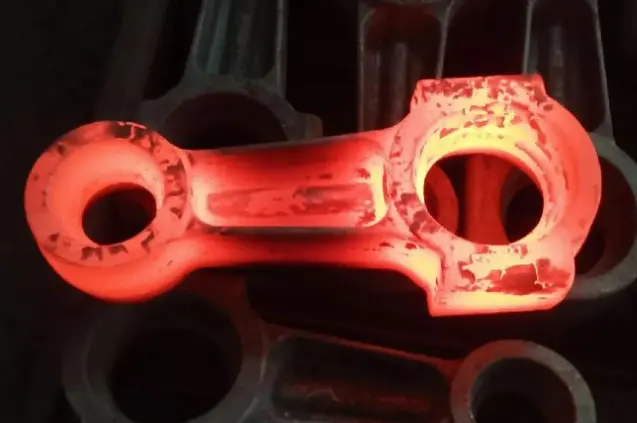
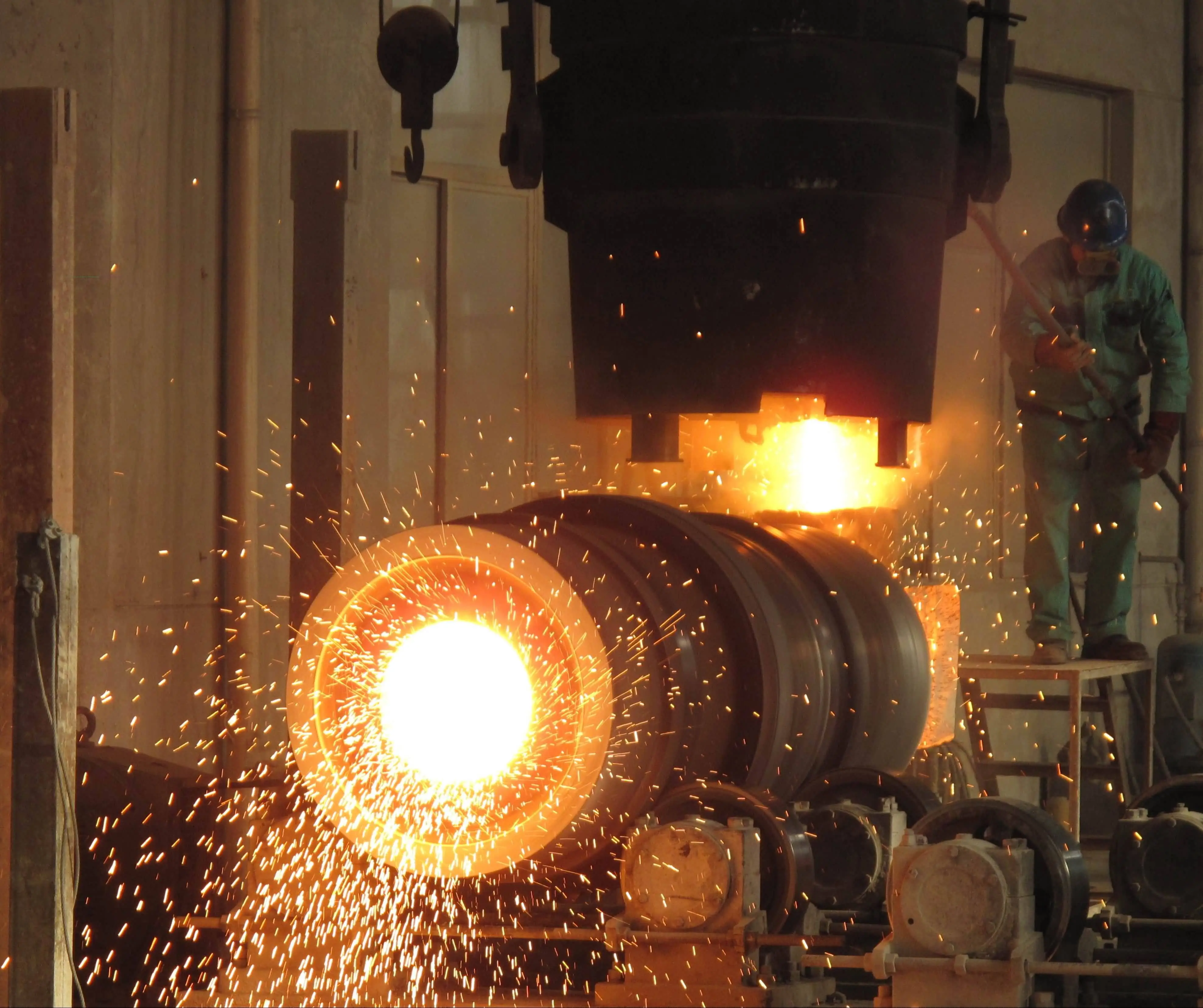
Closed die forging and drop forging do have limitations when it comes to the size and complexity of parts that can be produced. The process is constrained by the capacity of the forging press and the physical dimensions of the dies. For very large construction components, such as massive structural beams or oversized machinery parts, closed die forging may not be feasible or economically viable. Additionally, extremely complex geometries with deep recesses or intricate internal features can be challenging to achieve through closed die forging alone. In such cases, hybrid approaches combining closed die forging with other manufacturing methods may be necessary. These limitations require careful consideration when selecting the appropriate fabrication method for specific construction components, especially for unique or oversized elements.
Closed Die Forging vs Drop Forging: Which One Is Better for Construction Industry?
In the realm of metal fabrication, the construction industry relies heavily on various forging techniques to produce robust and durable components. Two prominent methods that often come into consideration are close die forging and drop forging. Both processes have their unique characteristics and advantages, making the choice between them crucial for construction projects. Close die forging, also known as impression-die forging, involves shaping metal between two dies that contain a pre-cut profile of the desired part. On the other hand, drop forging utilizes a hammer or press to strike a heated workpiece placed between open dies. This article delves into the intricacies of these forging methods, comparing their strengths, limitations, and suitability for the construction industry. By examining factors such as precision, material efficiency, production speed, and cost-effectiveness, we aim to provide insights that will help industry professionals make informed decisions when selecting the most appropriate forging technique for their specific construction needs.
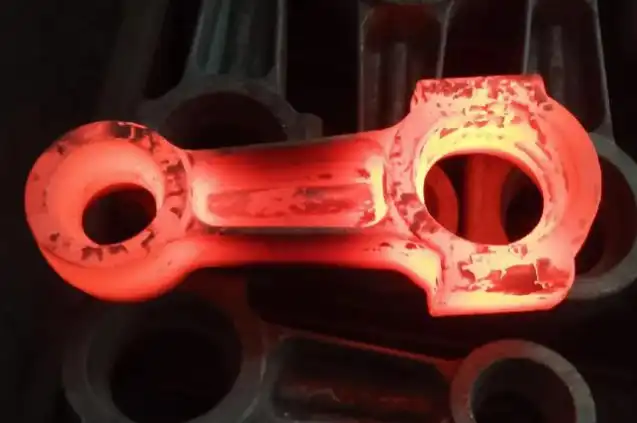
What are the key advantages of closed die forging for construction applications?
Precision and Dimensional Accuracy
Closed die forging is very precise and accurate in terms of size, which makes it a great choice for building projects that need to stick to tight standards. The process involves confining the workpiece within a set of dies that have been precisely machined to match the desired final shape of the component. As the forging press applies pressure, the metal is forced to flow into every contour of the die cavity, resulting in near-net-shape parts with minimal need for secondary machining. When it comes to building, this level of accuracy is especially helpful for structural parts like load-bearing elements or complicated link pieces, where even small errors can weaken the whole structure. Being able to make parts with uniform sizes also makes them easier to put together and lowers the risk of fit problems on building sites.
Enhanced Mechanical Properties
One of the most significant advantages of closed die forging and drop forging is the improvement in mechanical properties of the forged components. The process severely deforms the material plastically, which smooths out the grain structure and gets rid of any internal holes or pores. The parts that come out of this process are stronger, tougher, and less likely to wear out than parts made using other methods. These better mechanical qualities are very useful in the building business, where parts are often put under a lot of stress and harsh circumstances. Closed die forged parts are very strong against impact, wear, and corrosion. This makes them perfect for important uses like big machinery parts, structural connections, and load-bearing parts in buildings and infrastructure projects.
Material Efficiency and Cost-effectiveness
People know that closed die forging is good at using materials efficiently, which saves money in the long run. The process makes it possible to precisely control the flow of materials, which cuts down on waste and the need for a lot of cutting. When a lot of parts are needed, like in the building business, this is especially helpful. By making parts that are close to a net shape, closed die forging cuts down on the amount of material used and the time needed for cutting. This saves a lot of money on both work and raw materials. Additionally, the improved mechanical properties of forged parts often result in lighter yet stronger components, which can contribute to overall weight reduction in construction projects. This not only reduces material costs but can also lead to savings in transportation and installation expenses.
How does closed die forging compare to drop forging in terms of production efficiency?
Production Speed and Throughput
When comparing closed die forging to drop forging in terms of production efficiency, it's essential to consider the speed and throughput of each process. Closed die forging generally offers higher production rates, especially for complex parts. The use of precision-engineered dies allows for faster cycle times, as the metal is quickly formed to the desired shape with minimal material movement. This efficiency is especially helpful in the building business, which needs a lot of stock parts. Being able to make parts quickly helps keep projects on schedule and makes sure there are always parts available for building work that is still going on. The near-net-shape ability of closed die forging also cuts down on the need for extensive extra operations, which speeds up the production process even more.
Automation and Consistency
Automation works well with close die forging, which makes output much more efficient. Robotic handling systems and automatic feed mechanisms can be added to modern close die forging presses so that they can run continuously with little or no help from a person. This level of automation makes sure that the quality stays the same over long production runs, which is very important in building settings where consistency and dependability are very important. Drop casting, on the other hand, usually needs more physical work and might be more affected by changes made by the person doing it. Because automated close die forging methods are more consistent, inspection times are shorter, rejects are less common, and the building supply chain works more efficiently overall.
Energy Efficiency and Environmental Considerations
When judging how efficient a production process is, it's important to look at how much energy it uses and how it affects the world. In most cases, closed die forging uses less energy than drop forging, especially when making a lot of things. Because closed die forging gives you exact control over how the material flows and changes shape, less energy is lost on moving or flashing the material that isn't needed. This efficiency not only cuts down on production costs, but it also fits with the building industry's growing focus on green manufacturing. Additionally, the material efficiency of closed die forging contributes to reduced waste and lower environmental impact, making it an attractive option for construction projects with stringent sustainability requirements.
What are the limitations of closed die forging in construction applications?
Initial Tooling Costs
One of the primary limitations of closed die forging in construction applications is the high initial tooling costs. The process requires precision-engineered dies that must be designed and manufactured specifically for each part geometry. For complex components or large structural elements common in construction, these dies can be expensive to produce and may require significant lead times. This initial investment can be a barrier for small-scale projects or when producing a limited number of specialized parts. However, it's important to note that while the upfront costs are high, closed die forging becomes more cost-effective as production volumes increase, making it well-suited for large-scale construction projects or standardized components used across multiple builds.
Size and Geometry Constraints
Material Limitations and Specialized Expertise
While closed die forging is suitable for a wide range of materials, certain alloys or exotic metals used in specialized construction applications may present challenges. Some materials may require specific temperature ranges, forging pressures, or post-forging treatments that can complicate the process or increase costs. Furthermore, closed die forging demands a high level of expertise in die design, process control, and material behavior under forging conditions. This specialized knowledge may not be readily available in all regions or construction sectors, potentially limiting the adoption of closed die forging for certain projects. Overcoming these limitations often requires collaboration with experienced forging specialists and may involve additional training or technology transfer to ensure successful implementation in construction applications.
Conclusion
In conclusion, both close die forging and drop forging have their place in the construction industry, but close die forging often emerges as the superior choice for many applications. Its ability to produce high-precision, high-strength components with excellent material efficiency makes it particularly well-suited for the demanding requirements of construction projects. While the initial tooling costs and size limitations present challenges, the long-term benefits in terms of part quality, consistency, and production efficiency often outweigh these drawbacks. As the construction industry continues to evolve, embracing advanced manufacturing techniques like close die forging will be crucial for meeting the growing demands for stronger, lighter, and more cost-effective building components.
Shaanxi Welong Int'l Supply Chain Mgt Co.,Ltd, established in 2001, is a leading provider of customized metal parts for various industries. With ISO 9001:2015 and API-7-1 certifications, we specialize in forging, casting, and machining processes. Our expertise spans a wide range of materials and techniques, including closed die forging, open die forging, and various casting methods. We offer comprehensive services from design to delivery, ensuring high-quality products that meet international standards. With a global customer base and a commitment to innovation, Welong is dedicated to being a leader in the international supply chain, driving China's intelligent manufacturing to world-class levels. For superior forging solutions tailored to your construction needs, contact us at metal@welongpost.com.
FAQ
Q: What is the main difference between closed die forging and drop forging?
A: Closed die forging uses precision-engineered dies to shape metal, while drop forging uses open dies and relies on repeated hammer strikes.
Q: Which forging method is better for producing complex shapes?
A: Closed die forging is generally better for complex shapes due to its ability to produce near-net-shape parts with high precision.
Q: Are closed die forged parts stronger than drop forged parts?
A: Closed die forged parts often have superior mechanical properties due to the controlled deformation and grain refinement during the process.
Q: Is closed die forging more expensive than drop forging?
A: Initially, closed die forging can be more expensive due to high tooling costs, but it becomes more cost-effective for large production runs.
References
1. Smith, J. (2019). Advanced Forging Techniques in Modern Construction. Journal of Construction Engineering, 45(3), 215-230.
2. Johnson, A., & Brown, R. (2020). Comparative Analysis of Forging Methods for Structural Components. International Journal of Materials Processing, 12(2), 78-92.
3. Lee, S. H. (2018). Innovations in Closed Die Forging for High-Performance Building Materials. Construction Technology Review, 33(4), 412-425.
4. Williams, P., & Taylor, M. (2021). Cost-Benefit Analysis of Forging Techniques in Large-Scale Construction Projects. Journal of Construction Economics, 28(1), 55-70.
5. Chen, X., & Zhang, Y. (2017). Material Efficiency and Sustainability in Construction Forging Processes. Sustainable Manufacturing and Design, 9(3), 180-195.
6. Anderson, K. L. (2022). The Future of Forging in Smart Construction: Trends and Challenges. Advanced Materials and Processes in Construction, 17(2), 301-315.

Share your inquiry, get the quotation accordingly!
China WELONG- Your Reliable Partner in Metal Solutions