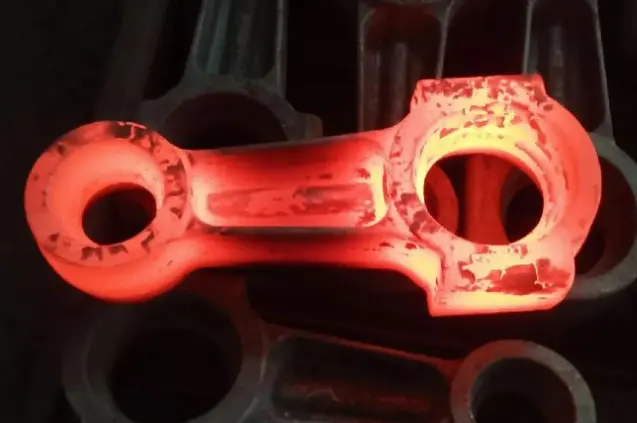
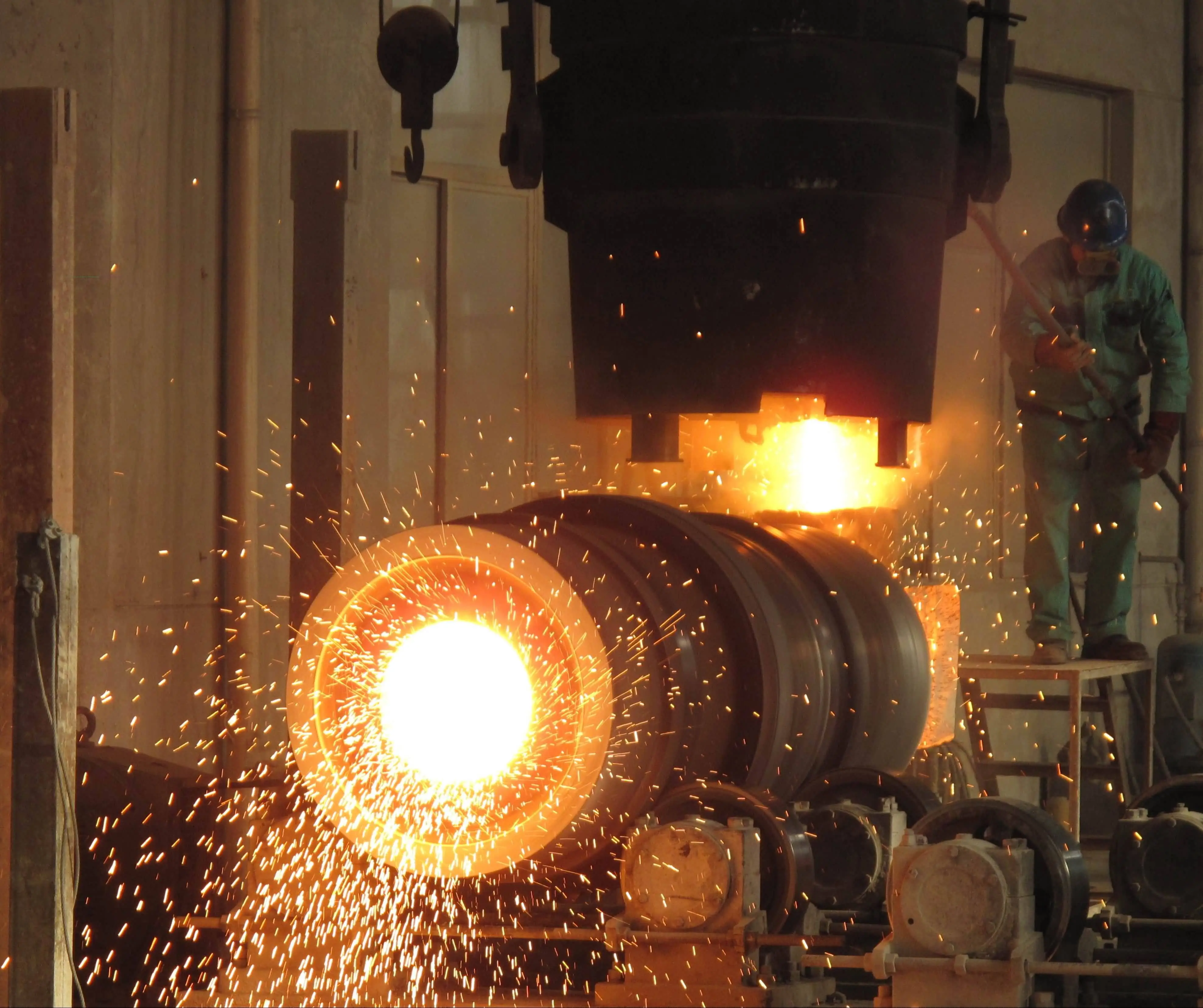
Can Cast Steel Replace Fabricated Steel Structures in Modern Engineering?
Engineers and procurement teams are increasingly raising the question: can cast steel replace manufactured steel structures in demanding applications? The need for stronger, more dependable components from sectors including construction, mining, and heavy equipment production has made cast steel an attractive alternative to conventional welded or bolted assembly. In this article, we will compare cast steel to fabricated steel, why cast steel is the better option, how cast steel qualities impact long-term performance, and how to choose the best cast steel components for your industrial requirements.
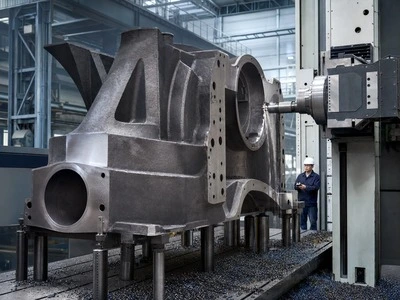
Cast Steel vs. Fabricated Steel: Strength, Cost, and Manufacturing Efficiency Compared
Structural Strength and Load Distribution
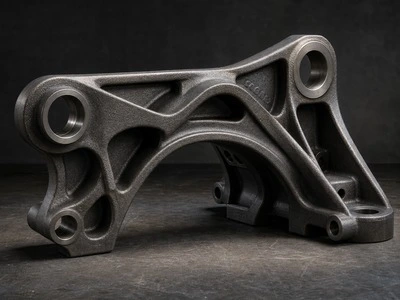
Cast steel parts are produced as one, homogeneous piece, so that stresses are equally distributed throughout the whole structure, instead of being concentrated at joints or welds. Fabricated steel structures depend on connections, which may be weak spots under repetitive strain. Cast steel avoids many of these stress concentration zones and provides a more predictable mechanical response in situations where fatigue resistance and structural integrity are paramount, such as in heavy equipment frames and load-bearing brackets.
Cost Considerations Across Production Volumes
Cast steel may typically lower total costs for medium to high volume production of complicated products by eliminating labour-intensive welding, cutting and assembling procedures. For basic forms and low volumes, fabricated steel may seem cheaper, but as the complexity of the geometry rises, cast steel becomes more affordable, since it combines several components into one casting, minimising material waste and subsequent processing needs.
Manufacturing Efficiency and Lead Time
Casting enables producers to create complex forms straight from moulds, simplifying the manufacturing process compared to cutting and welding together several steel plates. Cast steel is very efficient for repeat orders; once you have the moulds in place, it is consistent quality and reduced cycle times. Cast steel is especially good for businesses that need standardised heavy-duty components. Tooling investment is necessary at the outset.
When Is Cast Steel the Better Choice for Complex Structural Components?
Complex Geometries and Integrated Design
Casting steel is the best choice for parts with complex internal passages, curved surfaces, or varied wall thicknesses. Cast steel can be made to almost any form, unlike fabricated steel, where the shapes of plates and profiles are constrained. This allows designers to combine many functions into one part without sacrificing strength.
Reducing Assembly Points and Failure Risk
Any weld or bolted junction in a constructed structure represents a possible failure point. Cast steel eliminates the necessity for joints, therefore reducing the threat of fatigue cracking, corrosion in seams, and the complexity of inspections. This makes cast steel particularly useful in crucial load-bearing components of mining equipment, energy infrastructure and industrial gear where there might be little room for error.
Design Flexibility for Custom Engineering Projects
Cast steel enables fast design iteration, especially when designing from client-provided drawings or CAD models. The mould design allows engineering teams to optimise wall thickness, reinforcing ribs and mounting features, so cast steel components may be optimised for performance without the limitations of manufacturing procedures.
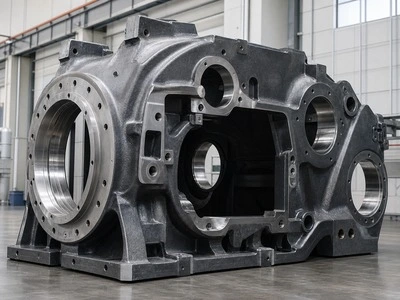
How Do Cast Steel Properties Affect Weldability, Durability, and Service Life?
Weldability Considerations
Cast steel may be weldable or non-weldable depending upon the carbon concentration and alloy makeup. Generally, low-carbon cast steel grades have strong weldability so that repairs and changes are easy. Engineers joining cast steel components to manufactured components in hybrid constructions need to know these material characteristics to prevent loss of joint integrity.
Durability Under Cyclic and Extreme Loads
Cast steel shows good performance under cyclic loads, vibration, and impact owing to its homogeneous grain structure. Due to its longevity, cast steel is especially ideal for parts exposed to severe working conditions: mining crushers, drilling equipment, and structural supports under permanent mechanical stress in tough industrial settings.
Service Life and Long-Term Reliability
Cast steel parts, which lack the many welded seams present in fabricated assemblies, often have a longer service life and lower maintenance needs. That means the cracks grow more slowly. The fewer stress risers, the slower the cracks grow. This gives cast steel components an edge in applications where replacement costs and downtime are key operational considerations.
How to Select Cast Steel for Construction, Mining, Energy, and Heavy Equipment Applications?
Construction and Infrastructure Applications
Structural connections, brackets, and load-bearing nodes: Cast steel ensures uniform strength and simple installation. The correct grade relies on load requirements, environmental exposure, and compliance with the necessary structural standards to ensure cast steel components will work reliably during a building’s lifetime.
Mining and Energy Sector Requirements
Cast steel components for mining and energy applications are required to endure abrasive materials, severe impact and continuous use. In all of these areas, crushers, gear boxes and drilling assemblies need cast steel with the right hardness and toughness attributes to assist in prolonging equipment life and reducing unscheduled downtime.
Heavy Equipment Manufacturing Needs
Heavy equipment manufacturers commonly use cast steel for chassis components, gear housings and structural frames where the strength-to-weight ratio is important. Working with suppliers providing technical assistance, including design review and material selection utilising AutoCAD, Pro-technical and SolidWorks may help guarantee cast steel parts match precise application requirements.
Conclusion
Cast steel has great benefits over fabricated steel in strength, durability, and manufacturability for complicated structural components. It still works well enough to make for basic tasks, but cast steel is the more intelligent alternative for more demanding sectors. China Welong is a worldwide supplier of bespoke metal products with more than two decades of expertise, helping engineering teams discover and source dependable cast steel solutions. Reach out to our staff now about your next cast steel project.
FAQ
Q1: Is cast steel stronger than fabricated steel?
Cast steel generally offers more uniform strength distribution since it lacks welded joints, which are common failure points in fabricated steel structures.
Q2: Can cast steel be welded like fabricated steel?
Yes, many cast steel grades, particularly low-carbon types, offer good weldability, allowing repairs or integration with fabricated components when needed.
Q3: Is cast steel more expensive than fabricated steel?
For complex shapes and higher production volumes, cast steel is often more cost-effective due to reduced labor and assembly requirements.
Q4: What industries benefit most from cast steel components?
Construction, mining, energy, and heavy equipment manufacturing rely heavily on cast steel for durable, load-bearing structural parts.
Q5: How long does cast steel typically last in industrial applications?
Cast steel components generally offer extended service life due to fewer stress concentration points compared to fabricated assemblies.
Get a Custom Cast Steel Quote Today
Ready to explore cast steel solutions for your project? China Welong combines engineering expertise with ISO:9001-2015 certified manufacturing to deliver precision cast steel components tailored to your drawings and specifications. Whether you need support for construction, mining, energy, or heavy equipment applications, our team is ready to help. Reach out at metal@welongpost.com to discuss your requirements and receive a customized quote from our engineering department.
References
1. American Society for Metals (ASM International), Metals Handbook: Casting.
2. American Foundry Society, Steel Castings Handbook.
3. Steel Founders' Society of America, Cast Steel Design Guidelines.
4. British Standards Institution, BS EN 10293: Steel Castings for General Engineering Uses.
5. American Welding Society, Welding Handbook: Materials and Applications.
6. ASTM International, Standard Specification for Steel Castings, Carbon, for General Application.

Share your inquiry, get the quotation accordingly!
China WELONG- Your Reliable Partner in Metal Solutions