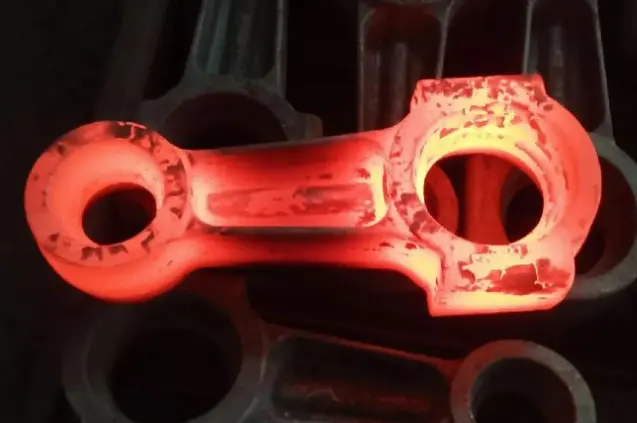
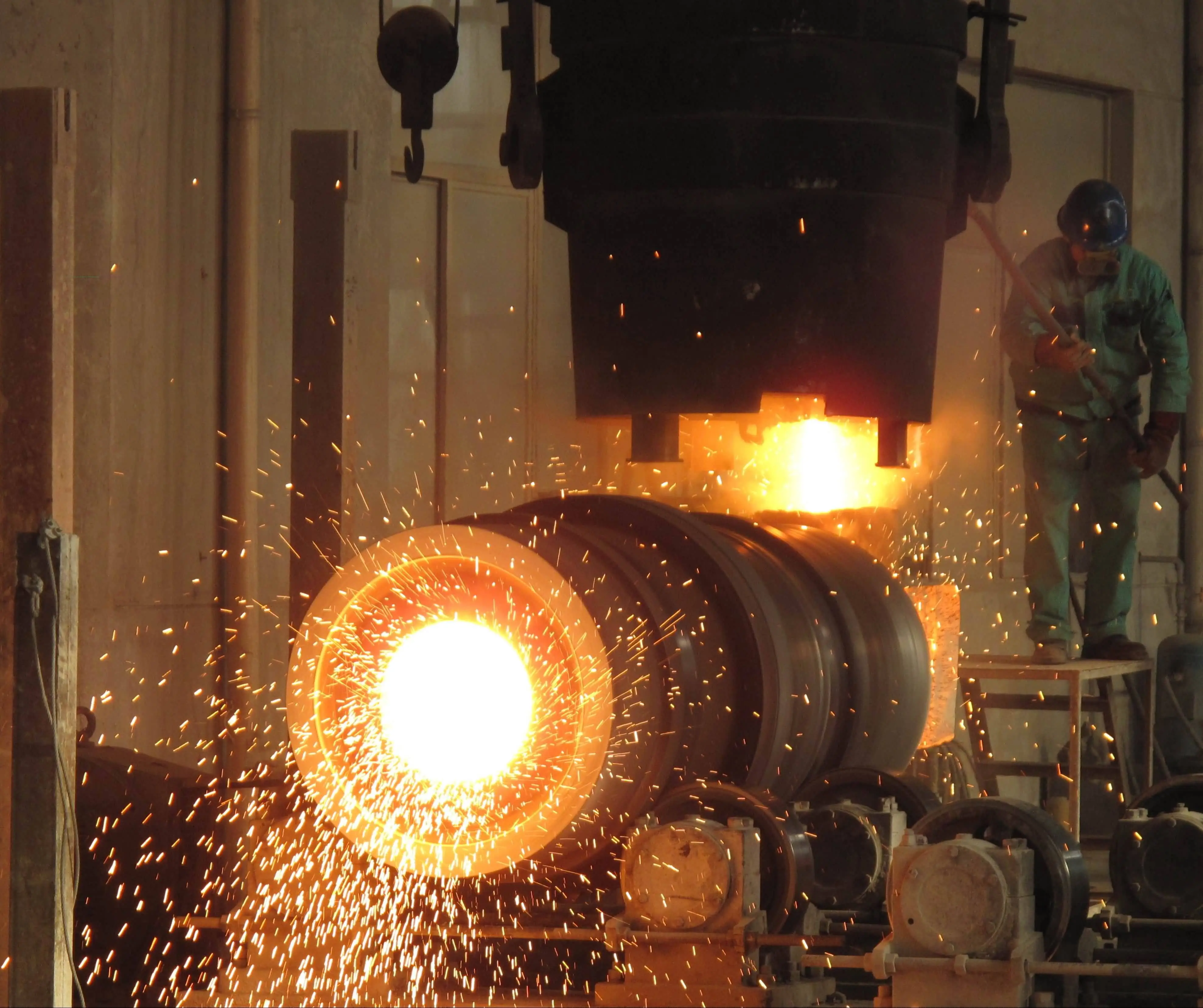
What types of casting components are typically made by sand casting?
A flexible and common way to make things, sand casting components have been used for hundreds of years to make a wide range of metal parts. To use this method, melted metal is poured into a sand mold and left to cool and harden. The cast parts that are made can be made from iron, steel, aluminum, and copper metals, among other materials. For making big, complicated parts with complicated shapes that would be hard or impossible to make any other way, sand casting is the best way to go. The process is popular in many fields because it is cost-effective for both small and large production runs. The process of sand casting is very important for making parts that are needed in many areas of modern life, from cars and airplanes to buildings and machines.
What are the most common industries that utilize sand casting components?
Automotive Industry
Parts made from sand casting are used a lot in the automobile business. Some parts that are often made by sand casting are engine blocks, cylinder heads, transmission cases, and differential housings. For these parts to last through the rough conditions of car running, they need to be very strong and long-lasting. In automobile uses, sand casting is used to make complicated shapes with internal openings and holes that are necessary for fluid flow and heat dissipation. The method can also handle large amounts of production, which makes it perfect for the car industry's needs for mass production.
Aerospace and Defense
The military and defense businesses use sand casting components to make many different parts that need to be strong for their weight and have good mechanical features. This method is often used to make aircraft engine cases, turbine housings, and structural parts. Sand casting is very useful for these fields because it can be used to make big, complicated parts that are exactly the right size. Also, because sand casting is so flexible, it can be used with special metals that can handle the high temperatures and pressures found in aircraft uses.
Construction and Heavy Machinery
Construction and heavy machinery use sand casting to make a lot of the parts that go into their tools and buildings. Sand casting is often used to make large structural parts like machine bases, pump housings, and valve bodies. The process makes it possible to make strong, long-lasting parts that can handle the rough conditions that are common on building sites and in factories. It is possible to make parts with different wall thicknesses and complex internal features using sand casting. This makes it a great method for making strong and precise machinery parts.
What are the key advantages of using sand casting for component production?
Versatility in Material Selection
One of the best things about sand casting is that it can be used with a lot of different materials. Many metals and alloys can be used with this method, such as iron, steel, aluminum, copper, and many other specific materials. Because of this, makers can pick the best material for the job, taking into account things like cost, strength, weight, and resistance to rust. Sand casting can meet the needs of many industries because it can work with different materials. For example, it can make lightweight parts for spacecraft or heavy-duty parts for industrial machines.
Cost-Effectiveness for Various Production Volumes
For both small and big production runs, sand casting is a very cost-effective option. When compared to other casting methods, the costs of making sand models are pretty low. This means that it is a good way to make small numbers or test parts. At the same time, it's easy to make the process bigger for mass production. Automated casting systems and assembly lines make the process more efficient and cut down on worker costs. Because it can be scaled up or down, sand casting components are a good choice for producers in many different fields because it keeps costs low no matter how much they need to make.
Ability to Produce Complex Geometries
Because of how sand casting works, it is possible to make parts with very complicated shapes and internal details. The sand model can be made to fit different design features, like cores and holes, which would be hard or impossible to do with other ways of making things. This skill is especially useful in fields where parts need to have complicated internal pathways, like engine blocks or pump housings. Because complicated forms can be made in a single casting process, they usually don't need to be machined or put together separately. This cuts down on production time and costs while keeping the design integrity of the part.
What are the limitations and challenges of sand casting in component production?
Surface Finish and Dimensional Accuracy
Although sand casting has many benefits, it can't always produce surfaces that are smooth or parts that are the right size. As a result of the way the sand mold is made, the cast parts may have a somewhat rough surface, which may need extra finishing steps based on the use. Tight measurement standards can also be hard to reach, especially for parts that are big or complicated. The end size of the cast part can be changed by things like how tightly the sand is packed, the shape of the mold, and the metal's ability to shrink as it cools. To get around these problems, makers often use a variety of methods, such as finer sand grades, more advanced mold-making techniques, and close monitoring of the casting parameters to enhance the surface finish and precision of the dimensions.
Porosity and Defect Management
Making sand casting components can be hard because of problems like porosity and other casting flaws. Because the sand mold is weak, gas can get trapped in the liquid metal. This can cause the final cast part to have holes or flaws on the outside. Some other common flaws are cold shuts, misruns, and shrinking holes, all of which can weaken the part's structure and performance. Controlling many things, like mold design, locking systems, and filling methods, is needed to solve these problems. To predict and reduce the number of casting flaws, manufacturers often use advanced modeling software and real-time tracking systems. This makes sure that high-quality sand casting parts are made.
Environmental and Health Considerations
The method of sand casting can be bad for the environment and people's health, so it needs to be carefully controlled. When chemical agents are used in sand molds, they can give off dangerous emissions during the casting process. These emissions could affect the health of workers and the air quality. Also, getting rid of used sand and other casting process trash needs to be managed properly so that it doesn't hurt the earth too much. To deal with these issues, a lot of foundries are putting in place sand recovery systems that are better for the environment, looking into different glue materials, and using cutting-edge technologies to control emissions. These efforts not only help to lessen the damage that sand casting does to the environment, but they also help to make workplaces safer and make sure that the industry follows the rules.
Conclusion
Sand casting components are still an important way to make many different kinds of parts for many different businesses. It is an essential method for many uses because it can be used with a wide range of materials, is cost-effective for different production amounts, and can build complex shapes. Surface finish, measurement accuracy, and flaw management are all problems that need to be solved, but these problems are being solved all the time by new technologies and methods. Sand casting will continue to be an important part of modern manufacturing as long as industries change and more complicated, high-quality parts are needed. It can easily adapt to new materials and technologies.
Shaanxi Welong Int'l Supply Chain Mgt Co., Ltd. is a leading provider of customized metal parts for various industries. With over 20 years of experience and certifications including ISO 9001:2015 and API-7-1, we specialize in forging, sand casting, investment casting, centrifugal casting, and machining. Our expertise covers a wide range of materials and processes, ensuring high-quality products tailored to your specific needs. We offer comprehensive services from design assistance to quality control and timely delivery worldwide. Our commitment to innovation, quality, and customer satisfaction has made us a trusted partner for over 100 international clients. Experience the Welong difference in intelligent manufacturing and supply chain management. Contact us at info@welongpost.com to discover how we can support your project's success.
FAQ
Q: What is sand casting?
A: Sand casting is a manufacturing process where molten metal is poured into a sand mold to create metal components of various shapes and sizes.
Q: What materials can be used in sand casting?
A: Sand casting can be used with a wide range of metals and alloys, including iron, steel, aluminum, copper, and various specialty alloys.
Q: What are the main advantages of sand casting?
A: The main advantages of sand casting include versatility in material selection, cost-effectiveness for various production volumes, and the ability to produce complex geometries.
Q: What industries commonly use sand casting components?
A: Sand casting components are commonly used in the automotive, aerospace, defense, construction, and heavy machinery industries.
Q: What are some challenges associated with sand casting?
A: Challenges in sand casting include achieving high surface finish and dimensional accuracy, managing porosity and defects, and addressing environmental and health considerations.
References
1. Brown, J. R. (2017). Foseco Ferrous Foundryman's Handbook. Butterworth-Heinemann.
2. Campbell, J. (2015). Complete Casting Handbook: Metal Casting Processes, Techniques and Design. Butterworth-Heinemann.
3. Beeley, P. (2001). Foundry Technology. Butterworth-Heinemann.
4. ASM International. (2008). ASM Handbook, Volume 15: Casting. ASM International.
5. Groover, M. P. (2010). Fundamentals of Modern Manufacturing: Materials, Processes, and Systems. John Wiley & Sons.
6. Kalpakjian, S., & Schmid, S. R. (2014). Manufacturing Engineering and Technology. Pearson.

Share your inquiry, get the quotation accordingly!
China WELONG- Your Reliable Partner in Metal Solutions