Quality Grain Flow: The Secret to High-Performance Forged Parts
The main difference between regular metal parts and special forged steel parts that can survive harsh industrial circumstances is the quality of the grain flow. During the forging process, the metal's crystal structure lines up in a way that makes continuous paths that greatly improve its strength, longevity, and resistance to fatigue. This very precise alignment turns raw steel into precision-engineered parts that can handle tough jobs in the aircraft, automobile, and heavy machinery industries.
Understanding Quality Grain Flow in Forged Steel Parts
Grain flow is the way that metal cells line up in the right direction during the casting process. This is one of the main things that sets high-performance parts apart from other options. This effect happens when steel is deformed in a controlled way at a certain temperature and pressure. This makes the grains of steel stretch out and line up with the direction of metal flow.
The Science Behind Grain Structure Formation
During the casting process, a continuous, unbroken grain structure is made that fits the shape of the end part. When casting or milling, grain boundaries can be randomly oriented or cut. But when forging, the grain boundaries stay the same all the way through the part. This matching happens because the metal's crystalline structure has to reorganize in response to the stress patterns that are applied during forging.
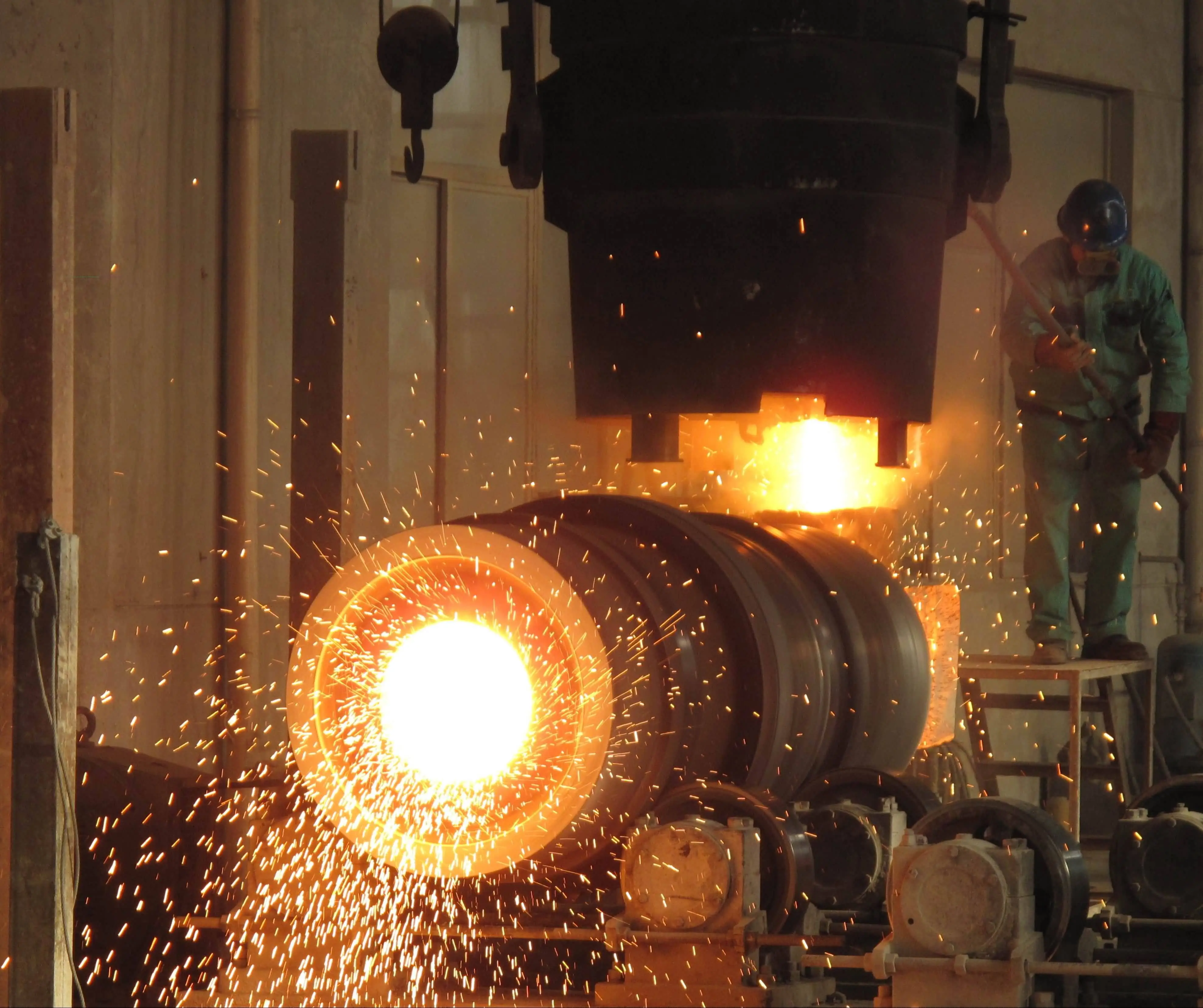
Controlling the temperature is a very important part of getting the best grain flow. For steel, hot forging is usually done at temperatures between 1800°F and 2100°F. This process helps the grains re-crystallize and line up better. The next step, controlled cooling, smooths out the grain structure even more. This makes parts with better mechanical properties than those made with other methods.
Mechanical Property Enhancement Through Grain Alignment
Directional grain flow makes a big difference in a number of important mechanical qualities. The tensile strength goes up because stress loads are spread out more widely along aligned grain boundaries instead of gathering at random interfaces. Because cracks need more energy to move through a continuous grain structure, fatigue resistance goes up by a huge amount. This alignment also improves impact toughness, which makes cast parts perfect for uses where there are quick changes in load or shock conditions.
Types and Characteristics of Forged Steel Parts Based on Grain Flow
As a result, each cast part has its own unique grain flow pattern that is best for its purpose and stress levels. Knowing about these differences helps people who work in buying choose parts whose grain shapes are perfect for their needs.
Component-Specific Grain Flow Patterns
Longitudinal forged steel parts that go parallel to the axis are common in shaft parts. This gives them the best resistance to bending and torsion loads. Because of this pattern of alignment, forged shafts work best in drivetrains for cars and industrial machines where rotating forces are important.
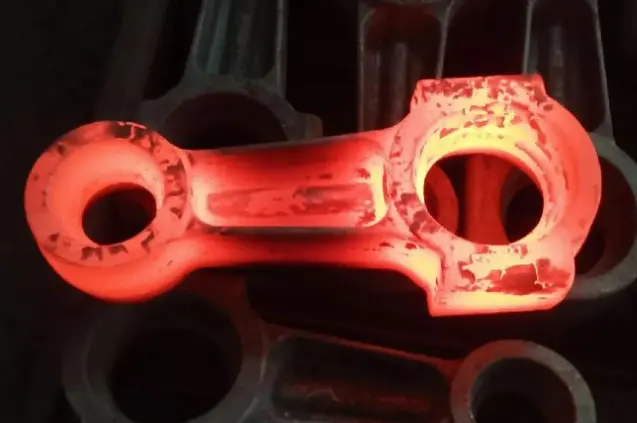
Connecting rods have more complicated grain flow patterns that follow their unique form. Grain flows around the rod body's bearing areas and along its length. This arrangement gives the most strength where the linking forces are strongest while still allowing for freedom where it's needed. Radial grain flow patterns help valve parts by spreading pressure loads evenly across sealing surfaces.
Material Grade Considerations
Forging works really well on certain types of carbon steel because it creates uniform grain flow patterns that make the strength-to-weight ratios better. Low-carbon steels tend to have smaller grain structures, while medium-carbon steels have a great hardness-toughness balance because the grains are aligned correctly.
Forging with stainless steel metals is tricky, but the results are worth it because they are very resistant to corrosion and have great mechanical qualities. The grain flow in stainless steel parts often determines how well they work in tough chemical conditions, where they need to be strong and not rust.
Specialized alloy steels, like tool steels and high-temperature alloys, have unique grain structures that make their qualities better. To get the best grain flow and keep their unique mechanical properties, these materials often need careful temperature control during forging.
Comparing Forged Steel Parts with Alternative Manufacturing Methods
What kind of making method used has a big effect on the internal structure and performance of steel parts. Knowing these differences helps you make smart purchasing choices based on the needs of the program and the expected performance.
Structural Integrity Advantages of Forging
When you forge something, the grains stay moving through the whole structure, which makes it stronger than other ways of making things. When put under a lot of stress, cast steel parts often have holes, inclusions, and uneven grain direction that can weaken the structure. When casting, the solidification process makes weak spots where different grain structures meet, which could cause the casting to fail too soon.
Parts that are machined start out as rolled or cast stock material. Next, material is removed, which can stop the natural flow of the grains. Each cutting process breaks the boundaries between grains, which can lead to stress concentration spots that can cause cracks to form under cyclic loading conditions. Machining is great for getting very accurate measurements, but it can't match the solid consistency that forging can provide.
Performance Trade-offs and Economic Considerations
Due to the special tools and skills needed for the forging process, forged steel parts usually have higher starting prices. But this investment usually pays off in the form of longer service life, less upkeep, and higher efficiency in important situations. The structure of the continuous grains prevents wear failure, which could double or triple the life of the part compared to machined options.
Lead times for forged parts may be longer than those for machined parts, especially for specific uses that need unique tools. But well-known suppliers who can do a lot of different kinds of forging can usually work with standard setups and reasonable delivery times. Customizing grain flow patterns for different uses gives designers more freedom, which might make up for longer lead times by delivering better performance.
Optimizing Performance Through Advanced Forging and Heat Treatment
To get better grain flow, you have to be very careful during the whole forging process, from the first heating to the last heat treatment. Modern forges use high-tech tracking systems to make sure that the results are the same from one production run to the next.
Critical Process Control Parameters
Controlling the temperature while the part is being heated makes sure that the grain structure develops evenly throughout the part. Pyrometric tracking and controlled oxygen furnaces keep the temperature from rising too high or spreading out unevenly, which could make it harder for the grains to line up properly. The rate of heating changes the size of the grains. Structures that are heated more slowly become finer and more regular.
Grain forged steel parts are determined by how much deformation is used during forging. How the grains line up in the finished part depends on how much, how fast, and which way the material deforms. Forging presses that are handled by computers can use precise force profiles to make sure that the grain flow is best for each part's shape and performance needs.
Changing the rate of cooling after forging changes the end grain structure and the mechanical features. Controlled cooling keeps thermal shock from happening and lets the grain polishing process go smoothly. For some uses, faster cooling is better to reach certain hardness levels, while for others, slower cooling is better to get the most toughness.
Advanced Heat Treatment Optimization
Annealing methods can improve the structure of the grains even more, lowering the stresses inside the material while keeping the mechanical traits that are wanted. Normalization methods make sure that the grain sizes are spread out evenly across complicated part shapes. Stress reduction operations get rid of any remaining stresses that could affect the safety of the dimensions or the way the material works when it's loaded.
The hardness-toughness balance can be precisely controlled by quenching and hardening. Forging creates a great grain flow structure that works well with these processes, making it possible to combine properties that are better than with other ways of production.
Practical Applications and Procurement Best Practices for B2B Clients
For important uses, industries that need the highest level of reliability are increasingly choosing forged parts. Knowing how grain flow affects performance helps buying teams choose the best suppliers and make decisions about what specifications to use.
Industry-Specific Applications
In automotive uses, forged parts in drivetrain systems are very useful because the constant grain flow avoids the cyclic stresses that happen during regular operation. Optimizing the grain structure is important for crankshafts, connecting rods, and transmission gears to last as long as possible while still being small enough to meet fuel economy goals.
Grain flow quality is an important specification measure because aerospace uses need the highest levels of dependability. In harsh situations, landing gear parts, engine mounts, and structural pieces must all work perfectly. Forged parts have the safety margins needed for these tough uses because the grains run continuously.
Components used in heavy tools are put through extreme loads and hard working conditions. Construction tools, mining equipment, and industrial presses all depend on cast parts to keep them working. Proper grain flow leads to better fatigue resistance, which directly leads to lower repair costs and better tool use.
Supplier Selection and Quality Assurance
To do forged steel parts, you need to look at providers' expert skills as well as their prices. Forging businesses that have been around for a while usually keep their ISO 9001:2015 certification, which shows that they are committed to quality management systems. The process paperwork should have steps for grain flow analysis and acceptance standards that are unique to each type of component.
The ability to do metallurgical tests shows how committed a seller is to quality control. Microstructural analysis tools check the patterns of grain flow, and mechanical testing makes sure that the qualities that are expected are always met. For important uses, suppliers should give test papers that show the features of the grain structure.
Reliability in the supply line is essential for keeping work schedules. Suppliers with a lot of experience know how important it is to keep enough goods on hand and make shipping promises that can be kept. Global providers with a history of doing a good job can often offer lower prices without lowering quality standards.
Conclusion
The main reason why forged steel parts are better than other options in tough industrial settings is that they have better grain flow. Controlled forging lines up the crystals of metal in a certain way, which makes parts that are stronger, last longer, and are less likely to wear out. When procurement workers know about the characteristics of grain flow, they can choose parts that work best for their uses and build relationships with suppliers who can offer consistent quality. Investing in properly forged parts usually pays off in a big way, with lower upkeep costs, higher dependability, and more safety margins in serious situations.
FAQ
How does grain flow improve the durability of forged steel parts?
Grain flow makes straight lines through the metal structure that spread stress loads more evenly than random grain patterns. This alignment lowers stress concentration places where cracks usually start, making wear life and impact resistance much better. It takes more energy for cracks to spread along continuous grain borders, which makes parts less likely to break under cyclic pressure conditions.
What distinguishes forged steel from cast steel in terms of grain structure?
Forged steel gets directed grain flow through plastic deformation, which makes crystal structures that are aligned and follow the shape of the part. Cast steel hardens from molten metal, which can leave odd grain direction and flaws like holes or inclusions. Parts that are made have better mechanical qualities and dependability than parts that are cast, which have a more random structure of grains.
How can buying teams check the quality of grain flow in cast parts?
To check the quality, you have to look at the supplier's metallurgical skills and process paperwork. Ask for reports on microstructural analysis that show how the grains are moving, mechanical test results that prove certain traits, and process control records that show quality that stays the same. Testing tools, quality control systems, and technical know-how in optimizing grain flow should all be looked at by suppliers during checks.
Partner with Welong for Superior Forged Steel Parts Manufacturing
Welong has been making high-quality forged steel parts that meet the strictest industry standards for more than twenty years. Our ISO 9001:2015-certified production methods make sure that the grain flow develops properly, which results in parts that are very strong and last a long time. We are experts at making unique forging solutions from your drawings and examples. Our engineering team uses AutoCAD, Pro-Engineering, and SolidWorks to help you improve your designs. Email our knowledgeable staff at metal@welongpost.com to talk about your needs for forged steel parts and find out how our proven supply chain skills can improve the performance of your product while lowering the risks of sourcing.
References
1. Dieter, George E., and David J. Bacon. "Mechanical Metallurgy: Fourth Edition." McGraw-Hill Education, 2013.
2. Altan, Taylan, Gracious Ngaile, and Gangshu Shen. "Cold and Hot Forging: Fundamentals and Applications." ASM International, 2004.
3. Schey, John A. "Introduction to Manufacturing Processes: Third Edition." McGraw-Hill Science/Engineering/Math, 1999.
4. ASM International Handbook Committee. "ASM Handbook Volume 14A: Metalworking: Bulk Forming." ASM International, 2005.
5. Hosford, William F., and Robert M. Caddell. "Metal Forming: Mechanics and Metallurgy: Fourth Edition." Cambridge University Press, 2011.
6. Lange, Kurt. "Handbook of Metal Forming: Second Edition." Society of Manufacturing Engineers, 1998.

Share your inquiry, get the quotation accordingly!
China WELONG- Your Reliable Partner in Metal Solutions