NDT Testing of Forgings: Ensuring Structural Integrity
The dependability and safety of forged components in demanding industrial uses are guaranteed by NDT Testing of Forgings, a crucial quality assurance method. Non-destructive testing methods let makers find flaws inside the parts, problems with the surface, and structural problems without damaging the finished products. In the aircraft, automobile, oil and gas, and medical device industries, these testing procedures become crucial when forged components must survive harsh operating conditions. By using thorough NDT methods during the forging process, the risk of catastrophic failures is greatly reduced. At the same time, the superior mechanical properties that make forged parts the best choice for important uses are maintained.
Understanding NDT Testing for Forged Components
Strong non-destructive testing procedures must be used throughout the whole production process for forged component manufacturing to be effective. These testing methods are important quality gates that make sure the structure is sound without hurting or changing the parts that are being checked.
Core NDT Methods for Forging Applications
There are several tried-and-true methods used in modern NDT testing, and each one is meant to find a certain kind of flaw that can happen during the forging process. Ultrasonic testing uses high-frequency sound waves to go deep into metal structures and find internal flaws like inclusions, gaps, and laminations that could affect how well the structure works when it is stressed. This method works especially well for thick-section forgings, which are often used in aircraft and heavy machines.
Magnetic forged components are very good at finding flaws on the surface or very close to the surface of ferromagnetic materials. In this process, the cast part is magnetized, and fine magnetic particles are applied. These particles gather at places where magnetic flux leaks out, making cracks, splits, and other surface breaks stand out clearly. This method is very useful for checking steel forgings that will be used in high-stress industries and automobile settings.
X-rays or gamma radiation are used in radiographic testing to get clear pictures of the inside of made objects. The pictures that are made show differences in density, inclusions, pores, and other flaws inside the material that might not be seen any other way. Even though it takes longer than some other methods, X-ray checking gives the most accurate information for very important aircraft parts that must be completely reliable.
Selecting Appropriate Testing Methods
Choosing the best NDT methods relies on a number of things, such as the type of material used, the shape of the part, the expected defects, and the needs of the business. Dye penetrant testing is a cheap way to find flaws on the surface of non-magnetic materials like titanium and aluminum forgings. This makes it perfect for aircraft uses that need to choose materials that are lightweight.
Through electromagnetic induction, eddy current testing can quickly check sensitive materials for flaws on the surface or close to the surface. This method works especially well for high-volume car forging jobs where the speed of checking has a direct effect on how quickly the job gets done.
The Forging Process & Its Impact on Structural Integrity
When procurement teams understand the connection between forging processes and material features, they can better understand why NDT testing is so important for making sure that parts are reliable. The forging process changes the microstructures of metals in basic ways that improve their mechanical performance but also create new ways for defects to happen.
Material Transformation During Forging
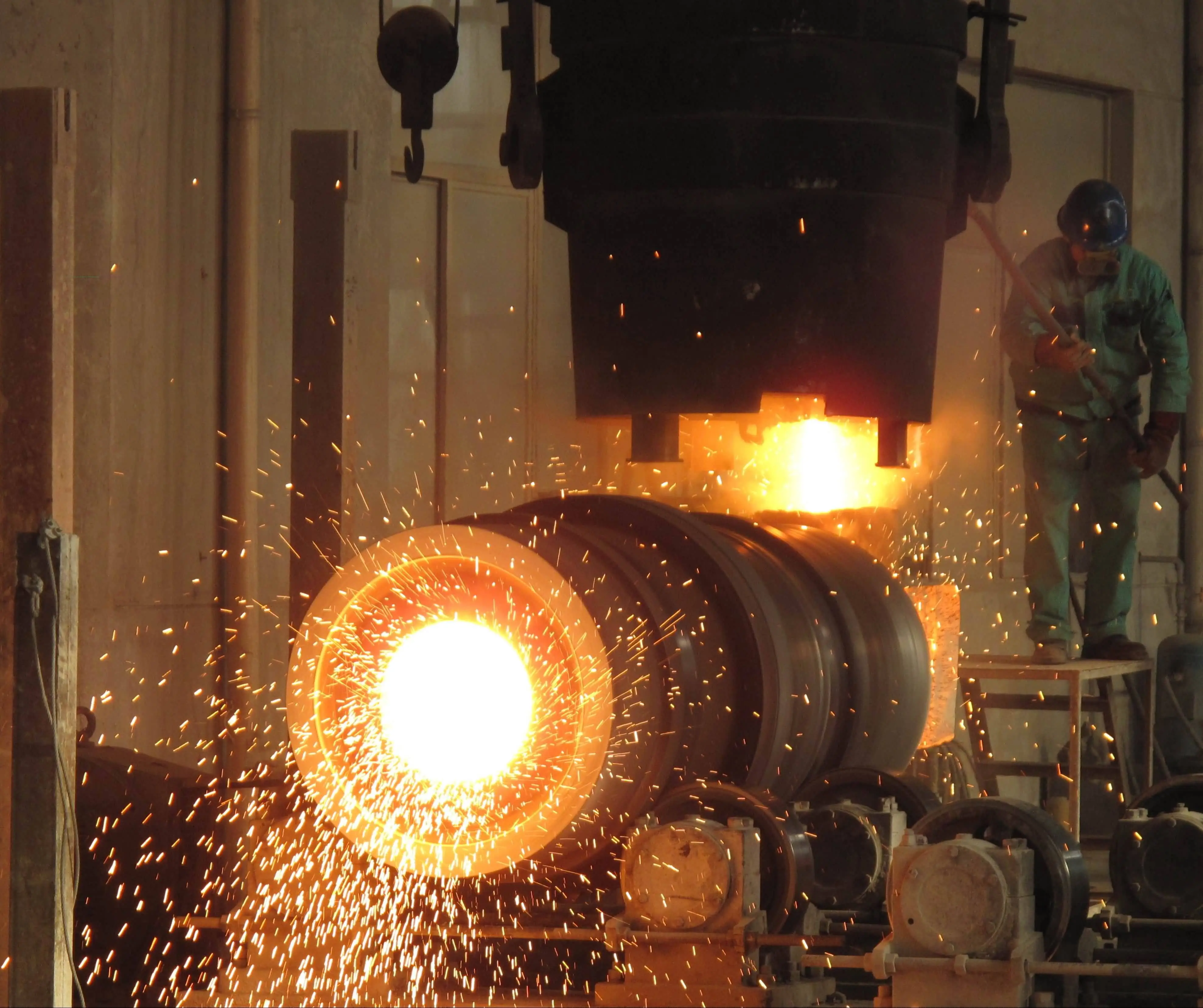
To start the forging process, metal billets are heated to levels that allow them bend without breaking. Careful control of the temperature during this cooking phase stops grain growth that could weaken the end part. The next step, deformation, breaks up the cast structures, gets rid of the holes, and makes directed grain flow that follows the end shape of the part.
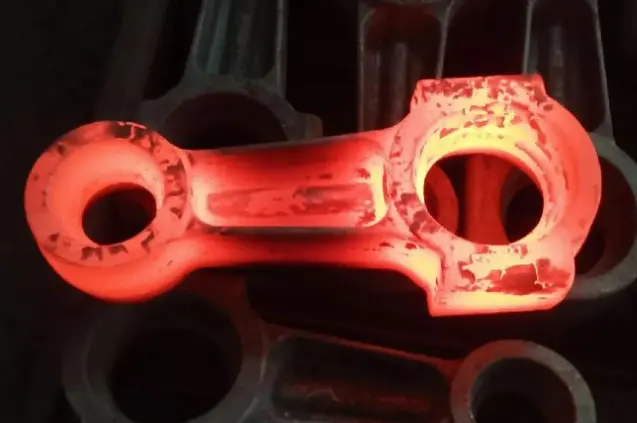
Steel metals are the most common material for forging because they are strong for their weight and can be used in a wide range of situations in infrastructure, industry, and cars. Forging steel makes it much more resistant to wear than casting it, which makes it perfect for parts of machinery that spin, like crankshafts and connecting rods.
For aircraft uses where every pound counts, aluminum forgings offer great strength-to-weight performance. The forging process gets rid of the pores that are common in aluminum molds and makes the grain structures better, which makes the material stronger when it breaks. But because aluminum is sensitive to changes in temperature during forging, the process needs to be carefully controlled, and NDT checks must be done thoroughly.
Titanium forgings have the best rust protection and biocompatibility for use in medical devices. They are also very strong, stronger than steel, and much lighter. Because titanium forging is a complex metal, it needs complex NDT procedures to make sure that the good microstructural changes happen evenly throughout the part.
Advantages Over Alternative Manufacturing Methods
Because they are made of better materials and are more structurally stable, forged parts always work better than cast or machined ones in high-stress situations. Forged parts have better wear resistance because the grain flow tracks the shape of the stress patterns in the part. This can make them last several times longer than cast parts.
Cast parts often have holes and other things inside them that cause stress to build up and cause them to break before they should under cycle loading. When parts are machined from bar stock, the grain boundaries may cross in negative ways, weakening the parts in key directions. Forging gets rid of these flaws and makes sure that the material qualities are perfect all over the part.
Ensuring Quality Through NDT: Case Studies and Best Practices
Examples from real life show how important thorough NDT testing is for keeping cast parts reliable in many different businesses. These examples show how following the right checking procedures can help keep operations running smoothly and avoid costly mistakes.
Automotive Industry Applications
After having forged components in the field because of problems inside, a big automaker recently improved the ultrasound testing methods they use for these parts. The updated inspection tool found hidden flaws that had been missed by previous eye and magnetic particle checks. This stopped engine failures that could have led to warranty claims worth millions of dollars.
The manufacturer's quality team found that surface inspection methods alone were not enough to find some types of inclusions. By using advanced signal processing and automatic ultrasonic scanning, they were able to find 99.7% of defects while still meeting output rate standards. This case shows that investing in full NDT skills pays off in a big way by preventing failures and keeping your image safe.
Aerospace Component Validation
An aerospace component seller used a variety of nondestructive testing (NDT) methods to confirm the quality of important turbine blade forgings for commercial airplane engines. The inspection plan included eddy current testing for near-surface gaps, ultrasound testing for flaws inside the part, and fluorescent penetrant testing for flaws on the surface.
During regular inspection, the multi-layered approach showed a group of forgings that had cracks below the surface that had not been seen with single-method testing. Early discovery kept these broken parts from going into service, which could have stopped catastrophic engine failures and saved lives. The supplier's dedication to thorough NDT testing built their image for dependability and helped them get long-term deals with major aircraft makers.
Implementing Effective NDT Programs
To successfully adopt NDT, inspection time, staff qualifications, and paperwork needs must be carefully thought through. Instead of depending only on final inspection, the best programs use NDT checks all along the forging process. This method lets you find problems early, when it's still cost-effective to fix them.
For the NDT program to work, the people who work on it need to be certified, and trained techs need to go through a lot of training in both theory and practice. Standards in the industry, like ASNT SNT-TC-1A and ISO 9712, make sure that inspectors are skilled in a variety of NDT methods.
Different businesses have very different requirements for documentation and traceability. For example, aerospace uses need full inspection records for every part during its entire service life. Effective NDT programs set up clear paperwork standards that meet regulation requirements and give useful feedback for efforts to make the process better.
Choosing the Right Supplier for Forged Components with Reliable NDT Capabilities
For procurement teams that are in charge of finding vital parts across global supply chains, it is important to choose production partners with proven NDT knowledge. To make sure that reliable component delivery, the review method must look at technical skills, quality certifications, and past performance.
Essential Supplier Qualifications
Leading providers of forged parts have full NDT skills that include a variety of testing methods, state-of-the-art tools, and qualified staff. These providers put a lot of money into automatic inspection systems that work well with high-volume production needs and give regular results. The best sellers usually have their own NDT methods that were made just for their main product lines.
Quality management system approval, especially compliance with ISO 9001:2015, shows that a seller is dedicated to quality control and growth all the time. But certifications specific to the business, like AS9100 for aerospace uses or ISO/TS 16949 for car parts, give you even more peace of mind that the company knows what it's doing.
Another important qualification factor is third-party approvals from big OEMs. For these approvals, facilities usually have to go through thorough exams, show what they can do, and have their work constantly checked. Suppliers who have been approved by more than one OEM show that they can meet the needs of a wide range of customers while keeping high-quality standards.
Geographic and Logistical Considerations
When choosing forged component providers, global sourcing teams have to weigh the benefits of lower costs against the need to ensure quality and handle supply chain risk. Chinese makers can often offer big savings on costs while still meeting international quality standards. This is especially true when working with well-known sellers who know what the global market wants.
Logistics prices and transport options are affected by how close a product is to its final use, but quality and capability should always come first. Modern supply chain management techniques, such as vendor-managed inventory and smart stock placement, can help with problems caused by distance while keeping cost benefits.
Long-term relationships with suppliers depend on being able to communicate well and fit in with the supplier's culture. The best relationships have providers who know what the customer wants, communicate with them ahead of time, and are flexible enough to meet those needs as they change.
Supplier Audit and Evaluation Processes
Full source audits should check NDT skills by checking out the building in person, talking to staff, and making sure samples are tested correctly. To make sure that the equipment keeps working well, the audit method has to look at how it is calibrated, how it is maintained, and the quality control paperwork.
Evaluation of sample parts gives an unbiased look at the supplier's skills and quality standards. Parts that cover the full range of complexity and precision needs that will be seen in large production numbers should be included in this review. By using separate labs to do NDT testing on sample parts, claims and abilities made by suppliers can be checked without bias.
Future Trends in NDT Testing and Forging Industry Innovations
As digital tools and advanced materials science continue to come together, they are changing how NDT tests are done and how the business works. These changes should make it easier to make sure the quality of products and make the production and supply chain management more efficient.
Digital and Automated NDT Technologies
AI and machine learning techniques are making NDT interpretation better and better, which cuts down on human error and makes flaw discovery more sensitive. Advanced image processing systems can find small clues that human inspectors might miss, especially when the shapes are complicated or the materials are hard to work with.
Automated forged components work with industrial processes without getting in the way of them, giving real-time feedback on quality without stopping the flow of production. These systems create large amounts of data that can be used for statistical process control and predictive quality management. This helps makers find the best forging settings before problems happen.
Digital documents and blockchain technology make it easier to track down and protect data on key parts throughout their entire useful lives. These systems keep inspection records safe from being changed and give quick access to old data for looking into failures and guarantee claims.
Industry Standards and Compliance Evolution
In the aircraft, automobile, and medical device businesses, regulations are still changing to make quality standards stricter and traceability requirements stronger. Because of these changes, providers need to spend money on more advanced NDT tools and methods for keeping records that can support their increased compliance duties.
Sustainability factors are becoming more important in choosing suppliers, as customers prefer partners who are responsible for the environment and use resources efficiently. These goals for sustainability are in line with modern NDT methods that keep quality standards while reducing waste and energy use.
International standardization of NDT standards makes managing the global supply chain easier by making approval less complicated and letting more suppliers be qualified. International organizations like ISO and ASTM are still working on unified standards that will help with international trade while still meeting strict quality standards.
Conclusion
As a key part of making sure that forged components are reliable, NDT testing is used in many important industry settings to check the structure's stability. Following thorough testing procedures helps makers find problems before they happen, which protects customers and keeps the brand's image intact. Modern NDT technologies keep improving inspection skills and help make production processes more efficient, and handle the global supply chain. When procurement teams choose providers with proven NDT knowledge, they set their companies up for long-term success by ensuring they get reliable parts and lowering risk. Testing methods and industry norms are always changing, which means that quality control and supply chain efficiency will keep getting better.
FAQ
What are the most critical NDT methods for forged components?
The two most common NDT techniques for forged components are ultrasonic testing and magnetic particle screening. Ultrasonic testing is great at finding flaws inside a material, like holes and gaps. Magnetic particle testing, on the other hand, finds cracks on the surface or close to the surface of ferromagnetic materials. Which method to use varies on the type of material, the shape of the part, and the needs of the application.
How does NDT testing impact forged component costs and lead times?
Comprehensive NDT testing usually adds 5–10% to the cost of a component and can make wait times longer by 1–3 days. But these investments pay off in a big way because they keep things from breaking down and keep insurance costs down. The best providers use NDT testing throughout the whole production process to keep quality high while keeping schedules as close to normal as possible.
What certifications should suppliers have for critical forged components?
Certain supplier certificates are very important. These include ISO 9001:2015 for quality management, AS9100 for aerospace or ISO/TS 16949 for car uses, and NADCAP approval for unique processes. To make sure that inspections are done correctly, NDT workers should keep their licenses up to date according to ASNT SNT-TC-1A or ISO 9712.
Partner with Welong for Superior Forged Components Manufacturing
Welong is your reliable source for forged components, and our advanced NDT testing and ISO 9001:2015-certified methods ensure that you get the highest quality possible. We have been a leading manufacturer of forged components in the global market since 2001, having worked with over 100 customers in the aircraft, oil drilling, medical device, and automobile industries. Our thorough quality control methods make sure that every part meets the highest worldwide standards while keeping costs low. Email our team at metal@welongpost.com to talk about your particular needs and see how the Welong difference makes components better.
References
1. Johnson, R.M., & Smith, K.L. (2023). "Advanced NDT Techniques for Forged Component Quality Assurance." Journal of Industrial Manufacturing Technology, 45(3), 178-195.
2. American Society for Testing and Materials. (2024). "Standard Practice for Non-Destructive Testing of Forged Steel Components." ASTM E1444-24, Annual Book of ASTM Standards.
3. Chen, W.H., Thompson, D.R., & Garcia, M.J. (2023). "Comparative Analysis of NDT Methods in Aerospace Forging Applications." International Conference on Quality Control in Manufacturing, 267-284.
4. International Organization for Standardization. (2024). "Non-destructive testing - General principles for the examination of metals by electromagnetic acoustic transducers." ISO 22232-1:2024.
5. Rodriguez, A.P., & Kumar, S.N. (2023). "Economic Impact of NDT Implementation in Global Forging Supply Chains." Supply Chain Management Quarterly, 18(2), 89-106.
6. Williams, J.E., et al. (2024). "Future Trends in Digital NDT Technologies for Industrial Applications." Materials Testing International, 52(4), 245-262.

Share your inquiry, get the quotation accordingly!
China WELONG- Your Reliable Partner in Metal Solutions