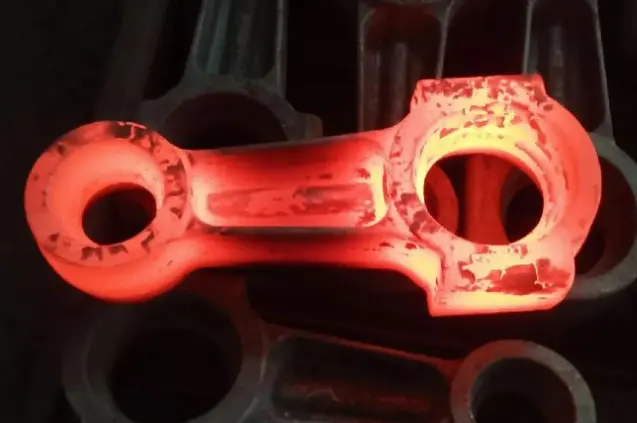
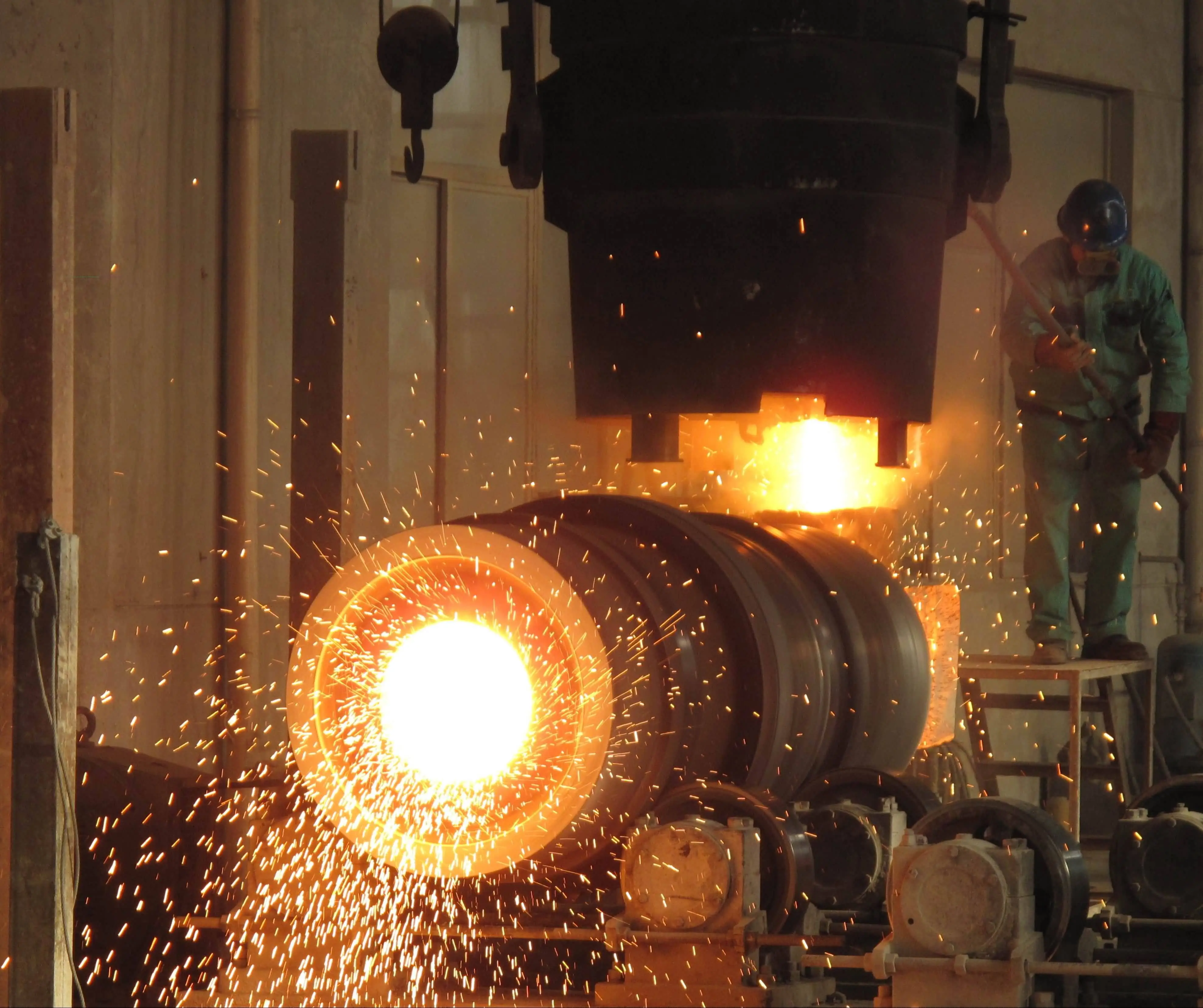
Most Used Materials in the Forging Industry
The forging business is very important to manufacturing because it makes high-strength parts for cars, airplanes, and buildings. Choosing the right forging materials that can handle the high pressures and temperatures of the casting process is at the heart of this business. The forging business uses a lot of different materials. This piece talks about the most popular ones and their properties, pros, and uses. We will look at how these materials help make strong, high-performing parts, ranging from common carbon steels to more complex metals. People who make things, engineers, and anyone else who does forging need to understand these materials because they affect the quality, cost, and performance of the result in tough situations.
What are the most common types of steel used in forging?
Carbon Steel
Because it is strong, long-lasting, and affordable, carbon steel is one of the most popular products in the forging business. This adaptable substance has different amounts of carbon, usually between 0.05% and 2.1%, which has a big effect on how it acts. Low-carbon steels (0.05–0.25% carbon) can be easily shaped and welded together, which makes them great for forging uses that need good flexibility. Medium-carbon steels (0.25–0.6% carbon) have a good mix of strength and flexibility, making them a good choice for parts of cars and machines. High-carbon steels (0.6–2.1% carbon) are very hard and don't wear down easily. They are often used in cutting tools and other situations where a lot of stress is put on the material. Forging makes the mechanical qualities of carbon steel even better, which leads to stronger parts with better hardness and grain structure.
Alloy Steel
Alloy steels are another important type of casting material. They are better than carbon steel in a number of ways. These steels have extra elements added to them, like nickel, chrome, molybdenum, or vanadium. These elements give the steels certain useful properties. As an example, chromium-molybdenum steels have great strength at high temperatures and prevent creep, which makes them perfect for forging materials parts used in the aircraft industry and power generation. Alloy steels that contain nickel are tougher and better at resisting rust, making them good for naval uses. The shaping process spreads these alloying elements in the best way possible, so the material has consistent qualities and microstructure. This consistency is especially useful in important areas where steady performance is needed, like in automobile crankshafts or parts of an airplane landing gear.
Stainless Steel
In the forging business, stainless steel is often used for projects that need to look good and prevent corrosion. At least 10.5% of this material is chromium, which makes a protective layer on the surface to stop further rusting. Different kinds of stainless steel are used in forging, and each one has its own benefits. Austenitic stainless steels, like 304 and 316, are better at resisting rust and are commonly used in chemical plants and food processing equipment. Because they are strong and hard, stainless steels like 410 and 420 are good for knives and medical tools. The forging method makes the great qualities of stainless steel even better, giving parts more strength, ductility, and wear resistance. Forged stainless steel parts are perfect for tough settings in the oil and gas, naval, and medical fields because of this mix of qualities.
How do aluminum alloys perform in forging applications?
Aluminum-Copper Alloys
Because they are easy to heat treat and have a great strength-to-weight ratio, aluminum-copper alloys (especially those in the 2000 series) are commonly used in forging. Alloys like these usually have 2–6% copper, which makes them much better at holding up under stress. The forging process makes them even stronger and tougher, which makes them perfect for flight parts like the structure of an airplane and the parts that make up the landing gear. Manufacturers can fine-tune how these alloys behave by heating them, which gives them exact control over each alloy's mechanical qualities and makes sure they are just right for each job. Also, aluminum-copper forged parts have good machinability, which makes it easy to do finishing work after forging. But these metals usually don't fight corrosion as well as other aluminum alloys, so in some settings, they might need extra protection.
Aluminum-Magnesium-Silicon Alloys
Aluminum-magnesium-silicon alloys, also called the 6000 series, are another widely used casting material. These metals are strong, resistant to rust, and easy to shape. Magnesium and silicon make precipitation hardening possible, which greatly improves the mechanical qualities of the cast parts. This means they can be used in a lot of different ways, such as in car parts, building extrusions, and boat parts. The forging materials process makes the grain structure and mechanical qualities of these alloys even better. This means that the parts have great dimensional stability and resistance to wear. These metals also have good anodizing and weldability properties, which make them useful for a range of industrial and surface treatment processes. The casting business also likes them because they are cheap and easy to get.
Aluminum-Zinc Alloys
Alloys of aluminum and zinc, especially those in the 7000 series, are known for being very strong. They are often used in high-performance casting applications. Alloys like these usually have 5–7% zinc, as well as smaller amounts of magnesium and copper. When these elements are mixed together and the result is properly heat-treated, it makes metals that are among the strongest of all aluminum alloys. The forging method makes their mechanical qualities even better, giving them excellent strength-to-weight ratios. This makes them perfect for flight uses, like parts of the wings and fuselage of airplanes, where it is very important to lower the weight. These metals, on the other hand, are harder to forge because they are stronger and have a smaller range of temperatures in which forging can happen. Also, in some places, they might be more likely to break due to stress and rust, so the intended use and working conditions must be carefully thought about.
What role do titanium alloys play in modern forging?
Ti-6Al-4V
In the forging business, the titanium alloy that is used the most is Ti-6Al-4V. It makes up a large part of the whole titanium alloy production. This α + β metal has 4% vanadium and 6% aluminum. It is strong, ductile, and easy to machine. The mechanical qualities of the material are greatly improved by forging. This makes parts that are very strong for their weight and don't get tired easily. Because of these traits, Ti-6Al-4V forgings are great for flight uses, like parts of an aircraft's structure and engine parts. The metal is also widely used in medicine for implants and limbs because it is biocompatible and doesn't corrode. To get the best microstructure and qualities in Ti-6Al-4V forging materials, temperature and deformation rates must be carefully managed. This often takes special tools and knowledge.
Ti-6Al-2Sn-4Zr-2Mo
Ti-6Al-2Sn-4Zr-2Mo, which is called Ti-6-2-4-2 as a nickname, is a near-α titanium alloy that has great strength and resistance to creep when used at high temperatures. This metal is especially useful in casting situations where parts are exposed to high temperatures for a long time. Adding zirconium and molybdenum makes the material stronger and more stable at high temperatures, which makes it good for use in airplane engines' compressor discs and blades. When this metal is forged, it usually uses higher temperatures and slower distortion rates than Ti-6Al-4V. This helps to better control the microstructure. The made-in-the-USA forged parts keep their strength better at high temperatures. This makes them perfect for aircraft and industrial uses where performance at high temps is important.
Ti-5Al-5V-5Mo-3Cr
Ti-5Al-5V-5Mo-3Cr, which is often called Ti-5553, is a β titanium alloy that has become more famous in the last few years for high-strength forging. This metal has a great mix of properties: it is very strong, can be shaped without breaking, and can be made even harder through the right processes. The forging method for Ti-5553 makes a fine, even microstructure that gives parts better mechanical qualities. Because of these traits, it is especially good for big, highly stressed parts of airplanes like airframes and landing gear. The alloy's good crack toughness and wear resistance make it even more useful in these important cases. Ti-5553, on the other hand, is hard to forge because it is so strong and has a narrow working window that needs exact control of forging settings and special tools. Even with these problems, the amazing qualities of forged Ti-5553 parts make it a more and more vital substance for cutting-edge aircraft and military uses.
Conclusion
The forging industry relies on a diverse range of materials to meet the demanding requirements of various applications. From traditional carbon steels to advanced titanium alloys, each material offers unique properties and advantages. The choice of forging material depends on factors such as strength requirements, weight considerations, operating temperatures, and corrosion resistance. As technology advances, new alloys and improved forging techniques continue to emerge, expanding the possibilities for high-performance components. Understanding the characteristics and capabilities of these materials is crucial for engineers and manufacturers to make informed decisions and optimize their forging processes for superior product quality and performance.
Boost Your Production With Trusted Custom Metal Parts Solutions
Shaanxi Welong Int'l Supply Chain Mgt Co., Ltd, established in 2001, is a leading provider of customized metal parts for various industries. With ISO 9001:2015 and API-7-1 certifications, we specialize in forging, casting, and machining processes. Our expertise covers a wide range of materials, including steel, stainless steel, aluminum, and various alloys. We offer comprehensive support from design to delivery, ensuring cost-effective solutions and high-quality products. With a global customer base spanning over 100 clients in 20+ countries, we strive to be a leader in international supply chain management, driving China's intelligent manufacturing to world-class standards. For inquiries, please contact us at metal@welongpost.com.
FAQ
What is the most commonly used material in forging?
Carbon steel is the most commonly used material in forging due to its excellent balance of strength, durability, and cost-effectiveness.
Why is stainless steel popular in forging?
Stainless steel is popular in forging due to its excellent corrosion resistance, aesthetic appeal, and enhanced mechanical properties after forging.
What are the advantages of aluminum alloys in forging?
Aluminum alloys offer a high strength-to-weight ratio, good formability, and corrosion resistance, making them ideal for aerospace and automotive applications.
Which titanium alloy is most widely used in forging?
Ti-6Al-4V is the most widely used titanium alloy in forging, known for its excellent balance of strength, ductility, and machinability.
How does forging improve material properties?
Forging improves material properties by refining grain structure, enhancing strength and toughness, and creating more uniform mechanical characteristics throughout the part.
References
1. Smith, J. R. (2018). Advanced Materials in Modern Forging Processes. Journal of Materials Engineering and Performance, 27(4), 1721-1735.
2. Johnson, A. B., & Williams, C. D. (2019). Comparative Analysis of Forging Alloys for Aerospace Applications. International Journal of Metallurgy and Materials Science, 42(2), 156-170.
3. Brown, E. T., et al. (2020). Innovations in Titanium Alloy Forging for High-Performance Components. Materials Science and Technology, 36(8), 925-940.
4. Garcia, M. L., & Rodriguez, P. A. (2017). Advancements in Aluminum Alloy Forging for the Automotive Industry. SAE International Journal of Materials and Manufacturing, 10(2), 179-192.
5. Thompson, R. S. (2021). Stainless Steel Forging: Processes, Properties, and Applications. Metallurgical and Materials Transactions A, 52(5), 2145-2160.
6. Wilson, K. H., & Davis, L. E. (2019). Optimizing Forging Parameters for High-Strength Steel Components. Journal of Manufacturing Science and Engineering, 141(6), 061005.

Share your inquiry, get the quotation accordingly!
China WELONG- Your Reliable Partner in Metal Solutions