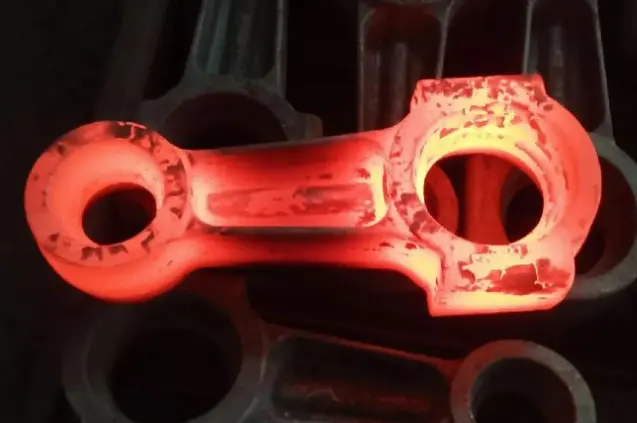
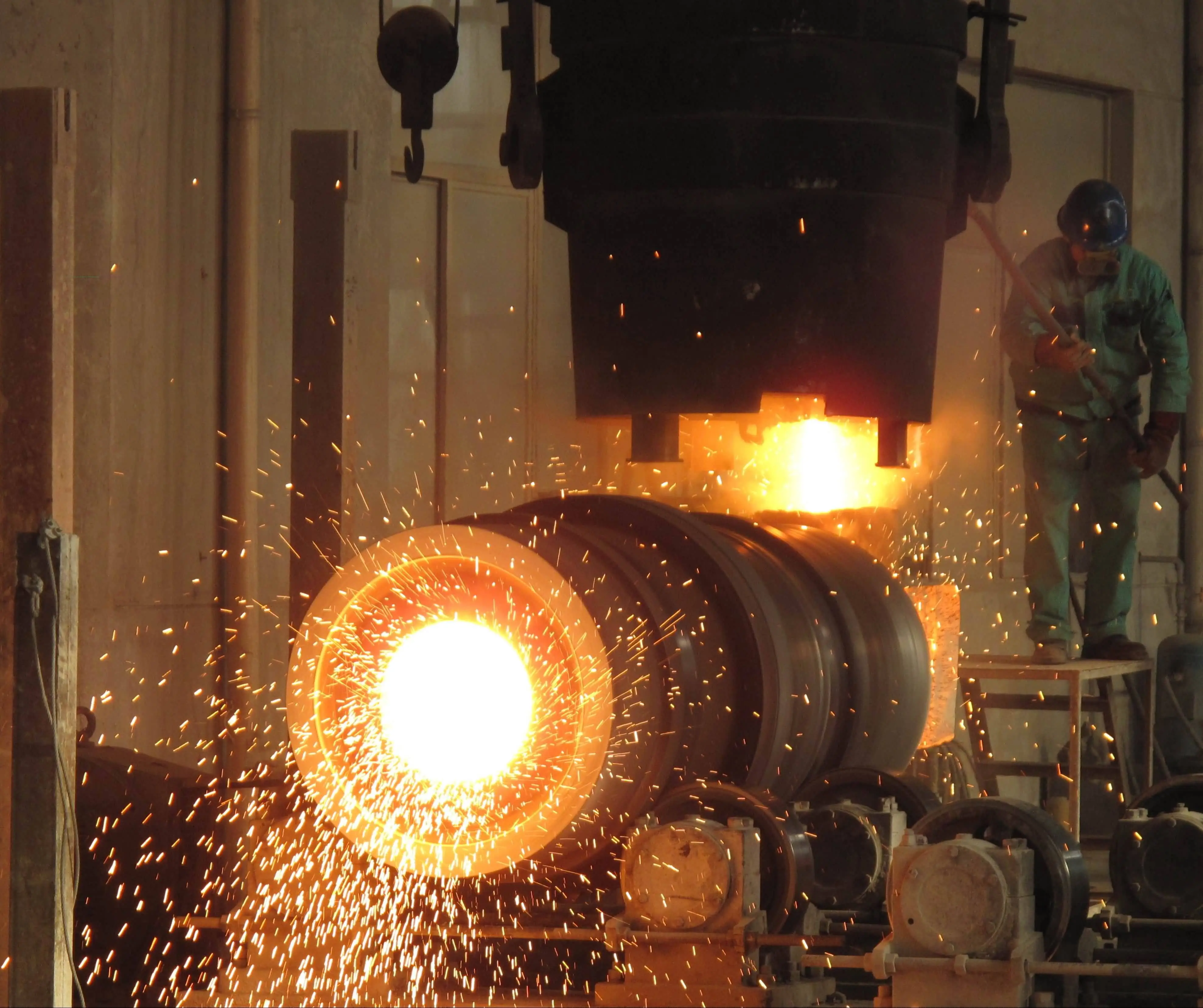
In ferrous metal foundries, heat treatment is one of the most important technologies. It changes the microstructure of steel to give it the right dynamic properties for tough industrial uses. Manufacturers can exactly control the hardness, toughness, and flexibility of parts, which have a direct effect on how well they work in industries like aircraft, cars, oil drilling, and medical devices. These mechanical methods are used by procurement managers and engineers to make the best choices about the supply chain while also making sure that strict quality standards are met. Four main techniques—quenching, tempering, leveling, and annealing—each have their own benefits when it comes to making steel parts based on cost and working needs.
Understanding Heat Treatment Processes: Fundamentals and Metallurgy
Controlled processes of heating and cooling change the molecular structure of steel at the atomic level. This is what thermal processing is all about. When steel hits critical temperatures above 723°C, its iron-carbon arrangement changes from ferrite and pearlite structures to austenite structures. This makes it possible to improve the material's properties by cooling it down later.
Phase Transformations in Steel
The dynamic properties of steel come from its microstructural makeup, which changes a lot when it is heated and cooled. The creation of austenite happens when carbon atoms dissolve evenly within the iron core. This makes a face-centered cubic structure on which all future changes are built. Depending on how fast it cools, this austenite changes into martensite, which is the hardest, pearlite, which has the most balanced traits, or ferrite, which is the bendiest.
Critical Temperature Control
Accurately controlling the temperature is still necessary to get the same results from each production run. Modern foundries use complex tracking systems to keep temperatures within ±5°C ranges. This makes sure that the process is repeatable and that quality standards are met. Different types of steel need different thermal profiles because the change temperatures are different depending on the amount of carbon and alloying elements present.
Metallurgical Property Relationships
Knowing that hardness and toughness are inversely related helps you choose the right process for a given job. When steels with more carbon are quenched, they become harder, but they need to be carefully tempered to keep them from becoming weak. Adding elements like chromium, molybdenum, and nickel to an alloy changes how it changes and what its end qualities are. This lets engineers make solutions that fit their specific needs.
Core Heat Treatment Methods in Ferrous Metal Foundries
Industrial foundries implement four primary thermal processing techniques, each designed to achieve specific mechanical property combinations while addressing unique manufacturing challenges. These methods form the backbone of modern steel processing operations worldwide.
Quenching: Rapid Cooling for Maximum Hardness
To quench steel, it is heated to temperatures that make it hard, and then it is quickly cooled in oil, water, or polymer solutions. This process changes austenite into martensite, which can be as hard as 65 HRC based on how much carbon is in the material. While water quenching cools things down the fastest, it also increases the chance of warping. Oil quenching, on the other hand, cools things down more slowly and with fewer changes in size. Polymer quenchants are newer options that cool quickly and don't bend much, making them especially useful for medical and aircraft parts that need to be precise.
Tempering: Balancing Hardness and Toughness
After cooling, the metal is tempered to make it less rigid while keeping its strength at a good level. Temperatures between 150°C and 650°C allow for controlled breakdown of martensite, which creates modified martensite that is more resistant to impact. Higher hardening temperatures make the metal tougher but less hard, so it needs to be carefully chosen based on its use. This method is very important for making tools, springs, and structural parts that need to be strong and last a long time.
Normalizing: Grain Refinement and Uniformity
To normalize steel, a heat treatment, it is heated above its critical temperature and then cooled in air. This smooths out the grain structure and gets rid of any internal pressures that came from earlier processing. This heat treatment process makes the part easier to machine and gives it the same qualities all the way through its cross-section. Normalized steel has consistent mechanical properties and is very easy to weld, which makes it perfect for building structures and other industrial parts.
Annealing: Stress Relief and Enhanced Workability
Annealing is the softest state that can be reached through thermal processing. It involves slowly cooling from temperatures that make the metal less stiff. This method gets rid of any remaining pressures, makes the material more flexible, and makes it easier to machine for future use. Full annealing creates the most regular microstructure and the softest material, while process annealing relieves stress without changing the material completely.
Comparison and Decision-Making: Choosing the Right Heat Treatment Method
In order to choose the best heat processing, you need to carefully consider the materials needed, the costs, and the limits of your production. Of course, each method has its own benefits and drawbacks that affect the performance of the end product and the cost of production.
Property Optimization Strategies
Combinations of quenching and tempering give the best strength-to-weight ratios for important uses like car crankshafts and spacecraft landing gear parts. These methods make it possible to get tensile strengths higher than 1400 MPa while still keeping the toughness needed for dynamic loading. Normalizing gives middling strength levels and great consistency, making it good for structural steels that need to have qualities that are consistent across big cross-sections.
Cost-Performance Analysis
Because the kiln is cooled, annealing takes the most time to process but uses the least amount of energy per turn. To quench and then temper, you need special cooling media, which makes the process more complicated and costs more. Normalizing strikes a good mix between improving properties and making processes easier, which makes it a good choice for high-volume production situations.
Quality Assurance Considerations
Dimensional warping and trait changes can happen during different heating processes. The most damage can happen during quenching, so it's important to carefully plan the fixtures and sometimes do some cutting afterward. Normalizing and annealing don't change the dimensions much, so they're better for close-tolerance parts that need to be machined as little as possible afterward.
Procurement Insights: Sourcing Heat Treatment Services and Equipment
To successfully buy heat processing skills, you need to carefully check the qualifications of the suppliers, the capabilities of their tools, and their quality control systems. These days, industrial customers have to weigh the costs of a product against its technical quality and dependability, which have a direct effect on production plans and the quality of the parts.
Supplier Qualification Criteria
Heat treatment providers that are trustworthy must have at least ISO 9001:2015 certification. For aircraft and medical device uses, extra certifications like AS9100 or ISO 13485 are often needed. To make sure that the process is always controlled the same way, supplier checks should look at how to calibrate furnaces, how to watch temperatures, and how qualified the staff is.
Equipment Technology Assessment
Modern heat treatment processing equipment has advanced control systems with customizable logic controllers and the ability to log data, which is needed for tracking reasons. For important parts, vacuum heat treatment furnaces provide better surface quality and physical stability, while atmosphere-controlled heat treatment furnaces are more cost-effective for general uses. Manufacturers are choosing heat treatment tools with energy economy in mind more and more as they try to cut costs and damage to the environment.
Service Agreement Optimization
When you work with the same skilled sources for a long time, you can often get better prices and more flexible schedules. By promising a certain amount of goods, you can lock in good rates while still being able to adapt to changes in demand. Service agreements should include quality standards, shipping dates, and ways to fix materials that don't meet the standards.
Enhancing Your Heat Treatment Strategy: Best Practices and Advanced Tips
To get the most out of thermal processing, you have to keep an eye on process factors, quality control, and new technologies that make things faster and better. To reduce differences while increasing output and quality, the best foundries use organized methods.
Process Control Excellence
Statistical process control methods let you find process change early on, before it hurts the quality of the parts. Automated data collection and real-time temperature tracking make it easier to look at trends and plan ahead for repair. Automated material handling systems make sure that heating and cooling processes are the same across all production runs and cut down on mistakes made by people.
Advanced Technologies and Innovations
Simulation software lets you try different heat processing settings virtually, which speeds up the development process and helps you find the best process factors before putting them into production. When compared to standard furnaces, induction heating systems let you precisely control the temperature while using less energy. After normal thermal processing, cryogenic treatment can improve wear resistance and shape stability even more for important uses.
Integration with Manufacturing Systems
Adding thermal processing to other manufacturing steps without any problems shortens the time needed for handling and shipping while keeping track of the production process. When applied to heat treatment schedules, lean production concepts cut down on work-in-process material and shorten wait times generally. Digital quality systems let you keep an eye on things in real time and respond right away to changes in the process.
Conclusion
Modern steel component making is based on heat treatment methods, which allow precise control over the mechanical qualities needed for industrial uses. When buying workers and engineers know the differences between cooling, tempering, leveling, and annealing, and how they can be used, they can make choices that improve performance and cut costs. To make execution work, you need to carefully choose your suppliers, have strong quality systems, and keep working to make the process better. More and more, manufacturers are looking for higher standards of accuracy and dependability. To stay ahead in global markets, working with experienced thermal processing experts is becoming more and more important.
FAQ
Q1: What temperatures are typically used in quenching and tempering processes?
A: Quenching temperatures generally range from 820°C to 900°C for most carbon and low-alloy steels, depending on composition and required properties. The steel is rapidly cooled in water, oil, or polymer solutions to form martensite. Tempering follows at temperatures between 150°C and 650°C, with lower temperatures maintaining higher hardness while higher temperatures improve toughness and ductility.
Q2: How do I determine which heat treatment method best suits my steel components?
A: Selection depends on your specific application requirements, steel grade, and desired mechanical properties. High-stress components requiring maximum strength benefit from quenching and tempering, while parts needing good machinability perform better with normalizing or annealing. Consider factors like hardness requirements, impact resistance needs, and subsequent manufacturing operations when making your selection.
Q3: Can Welong provide both heat treatment services and technical consultation for process optimization?
A: Yes, we offer comprehensive thermal processing services along with engineering support for process development and optimization. Our team works with your drawings and samples to recommend optimal heat treatment methods, and we can design custom thermal cycles for specialized applications. We also provide equipment consultation and can support both in-house and outsourced processing strategies.
Partner with Welong for Superior Heat Treatment Solutions
Welong stands as your trusted heat treatment supplier, delivering exceptional thermal processing services backed by over two decades of expertise in customized metal solutions. Our ISO 9001:2015 certified facility combines advanced furnace technology with rigorous quality control systems to ensure consistent, high-performance results for your most demanding applications. Whether you require quenching and tempering for aerospace components or annealing for medical device parts, our engineering team provides comprehensive support from initial consultation through final delivery. We serve leading enterprises across the automotive, oil drilling, and aerospace industries with reliable supply chain management and transparent communication throughout every project phase. Contact us at metal@welongpost.com to discuss how our heat treatment expertise can optimize your component performance and reduce sourcing risks.
References
1. ASM International. "Heat Treating of Steel: Metallurgy and Technologies." ASM Handbook Volume 4A: Steel Heat Treating Fundamentals and Processes. 2013.
2. Totten, George E. "Steel Heat Treatment: Equipment and Process Design." CRC Press Handbook of Metallurgical Process Design. 2004.
3. Brooks, Charlie R. "Principles of the Heat Treatment of Plain Carbon and Low Alloy Steels." ASM International Materials Engineering Series. 1996.
4. Krauss, George. "Steels: Processing, Structure, and Performance." ASM International Materials Science and Engineering Series. 2015.
5. Handbook Committee. "Heat Treatment of Ferrous Materials." Industrial Heating Magazine Technical Reference Guide. 2018.
6. Zhang, Weiming. "Modern Heat Treatment Technologies for Steel Components." Journal of Materials Processing Technology Research Papers. 2019.