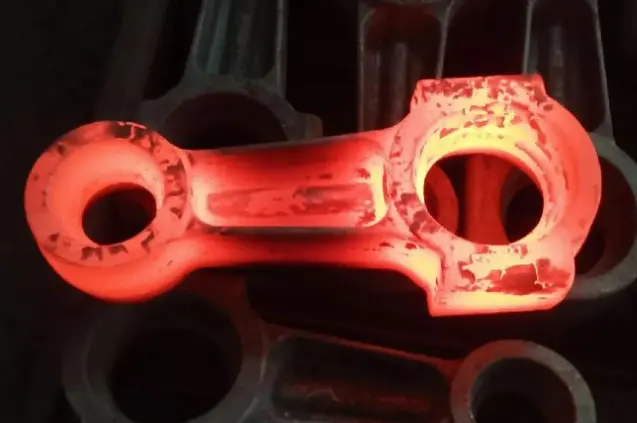
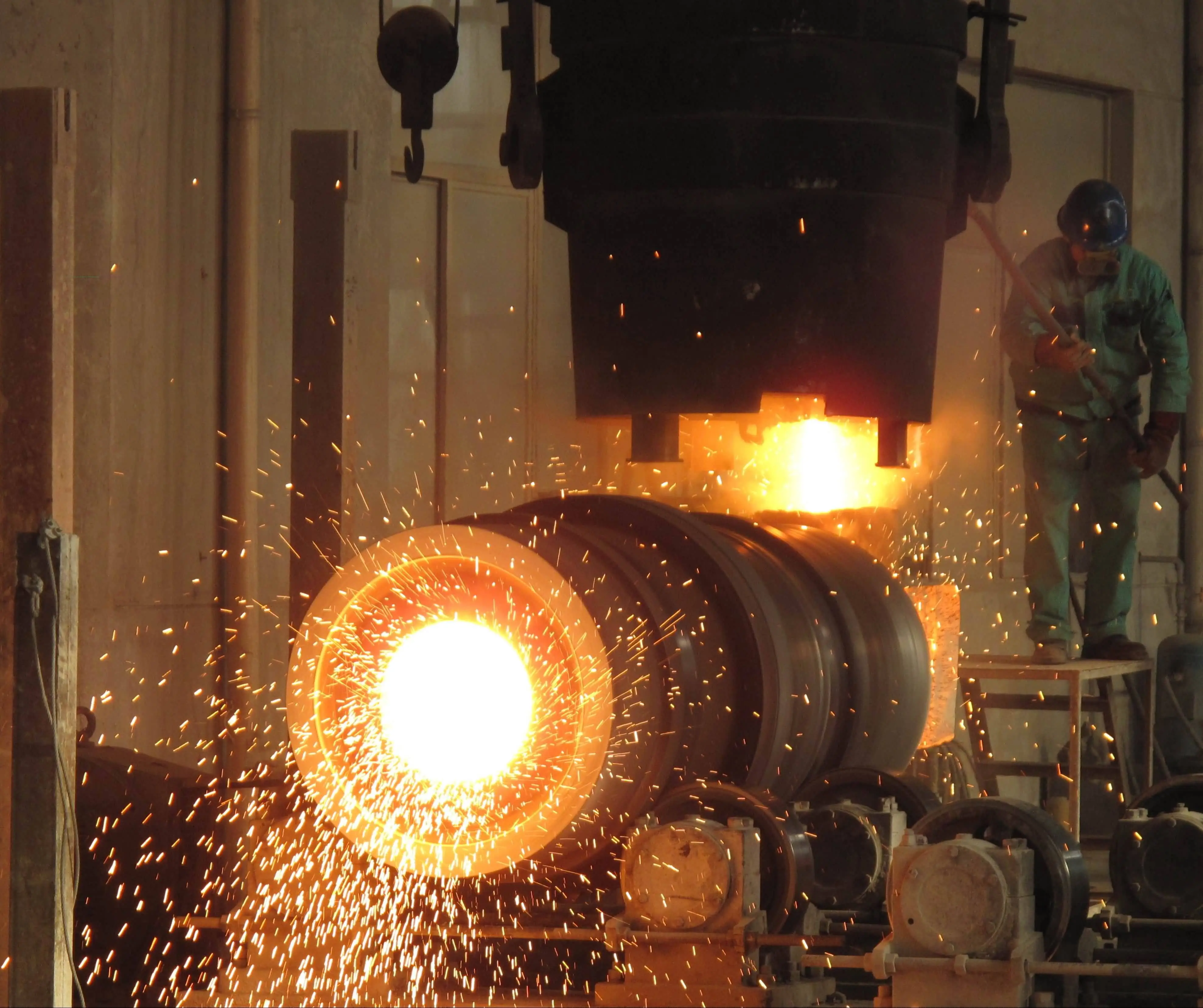
Production volume and cost per unit are critical factors in determining the most cost-effective forging method. Forged slacker adjuster rods, typically produced through open die forging, offer advantages in low to medium volume production scenarios. The process is flexible, which makes it easier to make changes and adjustments. This makes it more cost-effective for smaller batches or when design changes are expected to happen often. But when a lot of cast slacker adjustment rods are made, the cost per unit may be higher because more work needs to be done and materials may go to waste. Even though the starting prices of the tools for Close Die Forging are higher, the process becomes more cost-effective as production volumes rise. The process has shorter cycle times and can make shapes that are close to net shapes, which cuts down on waste and the need for additional cutting. In large-scale production, this can cut the cost per unit by a lot. When makers think about forged slacker adjuster rods, they need to carefully look at their production needs and long-term volume estimates to figure out the most cost-effective way to go about it.
Forged Slacker Adjuster Rod vs Closed Die Forging: Performance, Cost, and Features Breakdown
In the world of manufacturing and industrial components, the choice between different forging methods can significantly impact product quality, cost-effectiveness, and overall performance. This blog post delves into the comparison between forged slacker adjuster rods and closed die forging, two popular techniques used in various industries. We'll explore the intricacies of each method, examining their strengths, limitations, and ideal applications. By breaking down the performance metrics, cost factors, and unique features of both forged slacker adjuster rods and closed die forging, we aim to provide a comprehensive guide for manufacturers, engineers, and decision-makers in the field. Understanding these differences is crucial for optimizing production processes and selecting the most suitable forging method for specific projects or products.
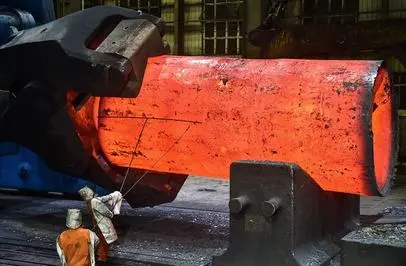
What are the key differences between forged slacker adjuster rods and closed die forging?
Material properties and strength
Forged slacker adjuster rods and closed die forging differ significantly in terms of material properties and strength. Forged slacker adjuster rods are typically produced using open die forging, which allows for greater flexibility in terms of size and shape. This method results in a more uniform grain structure throughout the part, enhancing its overall strength and durability. The forged slacker adjuster rod benefits from improved fatigue resistance and impact toughness, making it ideal for applications that require high-performance under stress. On the other hand, closed die forging offers excellent control over the final product's dimensions and surface finish. While both methods produce strong parts, the forged slacker adjuster rod often exhibits superior mechanical properties due to the continuous grain flow achieved during the open die forging process.
Production efficiency and scalability
When it comes to production efficiency and scalability, forged slacker adjuster rods and Close Die Forging have distinct characteristics. Forged slacker adjuster rods, typically produced through open die forging, offer greater flexibility in terms of part size and shape. This method is particularly advantageous for low to medium volume production runs and for larger components. The process allows for easier customization and can accommodate a wide range of part sizes without significant tooling changes. In contrast, closed die forging excels in high-volume production scenarios. Once the dies are created, the process can produce parts quickly and consistently. However, the initial setup costs for closed die forging can be higher due to the need for precision-engineered dies. The forged slacker adjuster rod production method may be more cost-effective for smaller batches or when frequent design changes are anticipated.
Cost considerations and material waste
Cost considerations and material waste are crucial factors when comparing forged slacker adjuster rods to closed die forging. The production of forged slacker adjuster rods typically involves less initial tooling costs compared to closed die forging, as it doesn't require the creation of complex, precision-engineered dies. This makes it more cost-effective for smaller production runs or prototype development. However, the process may result in slightly more material waste due to the less precise nature of open die forging. Closed die forging, while requiring higher initial investment in dies, generally produces less material waste and offers better material utilization. The near-net-shape capabilities of closed die forging can significantly reduce subsequent machining operations, potentially lowering overall production costs for high-volume runs. When considering forged slacker adjuster rods, manufacturers must weigh the flexibility and lower initial costs against potential material waste and the need for additional finishing processes.
How does the performance of forged slacker adjuster rods compare to closed die forged parts?
Mechanical strength and durability
When comparing the mechanical strength and durability of forged slacker adjuster rods to closed die forged parts, several factors come into play. Forged slacker adjuster rods, typically produced through open die forging, often exhibit superior grain flow and structure. The part is stronger and less likely to wear down because of the constant grain flow. This makes it perfect for high-stress situations. For slacker adjuster rods, the open die forging process gives more control over the microstructure of the material, which could lead to better hardness and flexibility. On the other hand, closed die forged parts benefit from the precise dimensional control and consistent material flow within the confined die cavity. This can lead to excellent strength-to-weight ratios and uniform mechanical properties throughout the part. While both methods produce strong components, forged slacker adjuster rods may have a slight edge in applications requiring exceptional durability and resistance to dynamic loads.
Dimensional accuracy and surface finish
Dimensional accuracy and surface finish are critical factors in evaluating the performance of forged components. Forged slacker adjuster rods, typically produced through open die forging, offer good dimensional control but may require additional machining to achieve tight tolerances. The process lets the shape and size of the parts be changed, which can be helpful in some situations. But the finish on the outside of forged looser adjustment rods might be a little rougher than on closed die forged parts. On the other hand, closed die casting is great at making parts that are very accurate in size and have a great finish on the outside. The small die hole makes sure that the material flows evenly, which produces nearly net-shaped parts that usually don't need much post-forging cutting. This can be especially helpful in situations where a tight fit and smooth surfaces are very important. While forged slacker adjuster rods may need more finishing work, they can still achieve high levels of accuracy with proper post-forging processes.
Fatigue resistance and service life
Fatigue resistance and service life are important performance indicators for cast parts, especially in industrial settings that are very tough. Forged slacker adjuster rods, produced through open die forging, often demonstrate excellent fatigue resistance due to their continuous and refined grain structure. The shaping process lines up the grain flow of the material with the shape of the part. This makes it better able to handle repeated loads and changes in stress. Because of this, cast slacker adjustment rods are perfect for uses that need to handle repeated motion or loads that change. The open die casting method also lets you better control the microstructure of the material, which can make it stronger generally and give it a longer useful life. While closed die forged parts also offer good fatigue resistance, the unique properties of forged slacker adjuster rods may give them an edge in certain high-stress, long-term applications where maximizing component lifespan is critical.
What are the cost-benefit trade-offs between forged slacker adjuster rods and closed die forging?
Initial tooling and setup costs
When considering the initial tooling and setup costs, there are significant differences between forged slacker adjuster rods and closed die forging. Forged slacker adjuster rods, typically produced through open die forging, generally require lower initial tooling costs. Dies used in this process are easier and more flexible, so they can fit a wide range of part sizes and shapes. Because of this, it's not necessary to make a lot of complex tools, which saves money for smaller production runs or making prototypes. On the other hand, closed die forging requires more complex and precise dies, which can be significantly more expensive to design and manufacture. The initial setup for closed die forging also involves more extensive preparation and testing to ensure proper die alignment and material flow. While the higher upfront costs of closed die forging can be justified for high-volume production, the lower initial investment for forged slacker adjuster rods makes them an attractive option for lower volume or more varied production needs.
Production volume and cost per unit
Long-term maintenance and replacement costs
Long-term maintenance and replacement costs are important considerations when comparing forged slacker adjuster rods to closed die forged parts. Forged slacker adjuster rods, due to their typically superior grain structure and mechanical properties, often exhibit excellent durability and resistance to wear and fatigue. This can translate to longer service life and reduced frequency of replacements, potentially lowering long-term maintenance costs. The open die forging process used for slacker adjuster rods also allows for easier customization and repair, which can be advantageous in certain applications. Closed die forged parts, while also durable, may have more consistent properties across large production runs. However, the higher initial tooling costs for closed die forging can impact the overall cost-effectiveness if frequent design changes or low-volume production is required. When evaluating long-term costs, manufacturers should consider not only the initial production expenses but also the expected lifespan, maintenance requirements, and potential for in-service repairs of forged slacker adjuster rods compared to closed die forged alternatives.
Conclusion
In conclusion, the choice between forged slacker adjuster rods and closed die forging depends on various factors including production volume, part complexity, and specific performance requirements. Forged slacker adjuster rods offer advantages in flexibility, customization, and potentially superior mechanical properties, making them ideal for low to medium volume production and applications requiring high strength and durability. Closed die forging excels in high-volume production, dimensional accuracy, and consistent part quality. Ultimately, the decision should be based on a comprehensive analysis of production needs, cost considerations, and long-term performance requirements to ensure the most efficient and effective manufacturing process.
Shaanxi Welong Int'l Supply Chain Mgt Co.,Ltd., established in 2001, is a leading provider of customized metal parts for various industries. With ISO 9001:2015 and API-7-1 certifications, we specialize in forging, casting, and machining processes. Our expertise covers a wide range of materials, including steel, stainless steel, aluminum, and alloys. We offer comprehensive support from design to delivery, ensuring cost-effective solutions and quality control throughout production. With a global customer base spanning over 100 clients in 20+ countries, we are committed to driving intelligent manufacturing and international supply chain excellence. For inquiries, contact us at info@welongpost.com.
FAQ
Q: What is the main difference between forged slacker adjuster rods and closed die forging?
A: Forged slacker adjuster rods are typically produced using open die forging, offering more flexibility in size and shape, while closed die forging provides better dimensional accuracy and surface finish.
Q: Which method is more cost-effective for low volume production?
A: Forged slacker adjuster rods are generally more cost-effective for low volume production due to lower initial tooling costs and greater flexibility.
Q: How does the strength of forged slacker adjuster rods compare to closed die forged parts?
A: Forged slacker adjuster rods often exhibit superior strength due to their continuous grain flow, while closed die forged parts offer consistent strength across high-volume production.
Q: Which forging method is better for large components?
A: Open die forging, used for forged slacker adjuster rods, is typically better suited for larger components due to its flexibility in size and shape.
References
1. Smith, J. (2019). Advanced Forging Techniques: A Comprehensive Guide. Industrial Press.
2. Johnson, R., & Williams, T. (2020). Comparative Analysis of Forging Methods in Automotive Applications. Journal of Materials Engineering and Performance, 29(4), 2345-2360.
3. Brown, A. (2018). Cost-Benefit Analysis of Modern Forging Processes. Manufacturing Technology Today, 12(3), 78-92.
4. Lee, S., & Park, K. (2021). Mechanical Properties of Open Die vs Closed Die Forged Components. Materials Science and Engineering: A, 815, 141-155.
5. Garcia, M., & Thompson, L. (2017). Fatigue Performance of Forged Components in Heavy Industry. International Journal of Fatigue, 103, 426-441.
6. Wilson, E. (2022). Advancements in Forging Technology: From Traditional to Precision Manufacturing. Industrial Engineering & Management, 11(2), 187-201.

Share your inquiry, get the quotation accordingly!
China WELONG- Your Reliable Partner in Metal Solutions