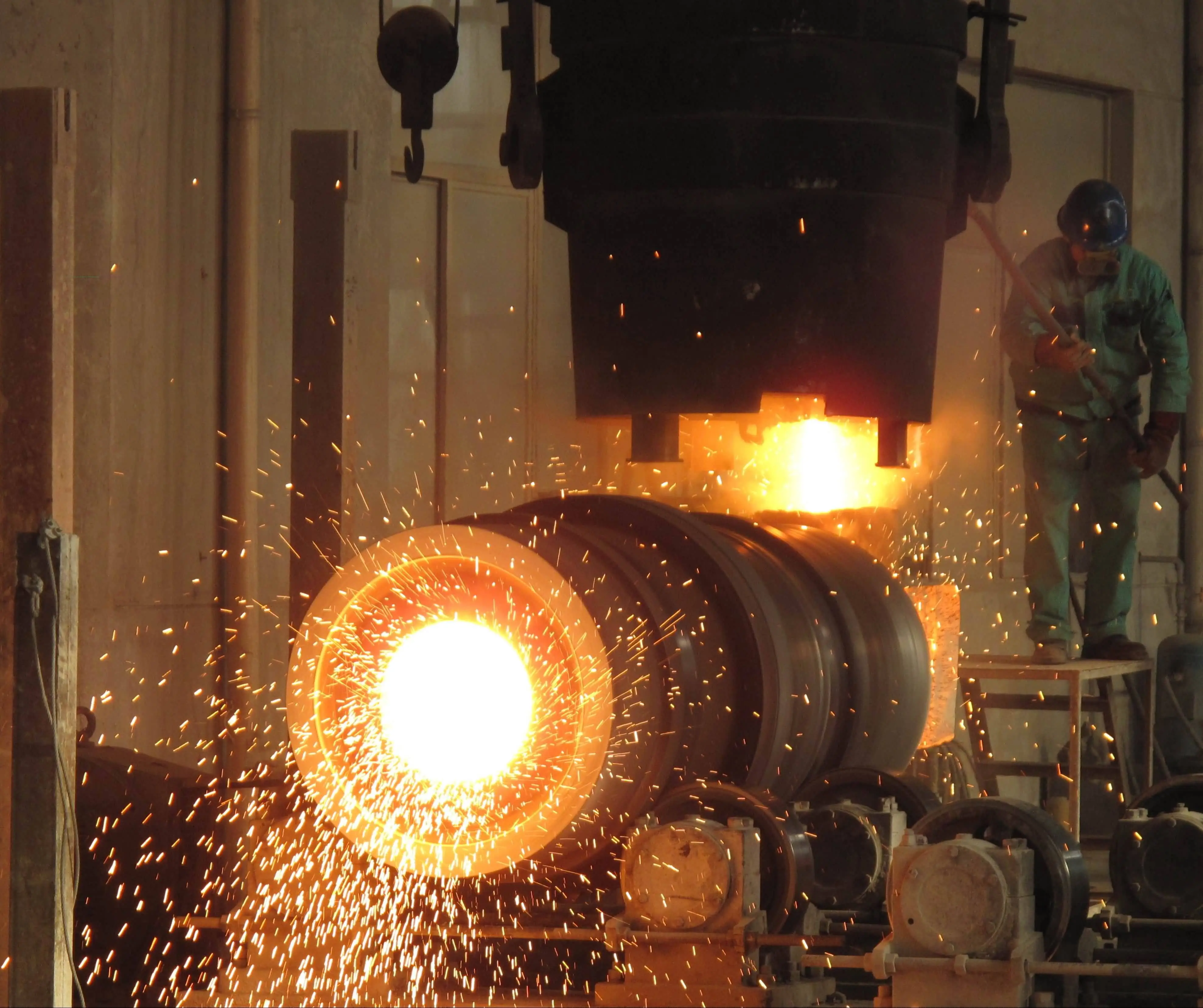
Making sure that the molten iron is pure for high strength and toughness. Casting iron is an important part of making industrial parts because it determines their final mechanical features. Modern foundries know that the first step to making high-quality cast iron is to carefully control the chemistry of the liquid metal. Even small amounts of impurities can have a big effect on the strength, toughness, and longevity of the metal. As businesses need better materials for tough jobs, the link between the quality of the liquid iron and how well the end product works has grown in importance.
Understanding the Role of Molten Iron Purity in Cast Iron Quality
Making high-performance casts that meet strict industry standards starts with making sure the molten iron is pure. The chemical makeup and cleanliness of liquid metal have a direct effect on the formation of the substructure during solidification, which in turn determines the finished part's mechanical qualities.
Chemical Composition Standards and Measurement
According to industry guidelines, molten iron is considered pure if it has a certain chemical makeup range and addition levels. Spectroscopic research shows that the amount of sulfur in iron should stay below 0.02% for ductile iron uses, and the amount of phosphorus should stay below 0.08% to keep iron from breaking. These factors are constantly checked during melting processes in modern foundries using temperature analysis and optical emission spectroscopy.
Impact of Impurities on Mechanical Properties
Researchers have found that oxides, sulfur compounds, and nonmetallic inclusions are typical elements that cause stress concentration places in the metal matrix. Tensile strength is cut by up to 30%, and impact toughness is cut by a lot because of these flaws. The American Foundry Society's studies show that keeping the right amounts of purity can make parts more reliable by making them last longer and lowering the number of times they break in serious situations.
Causes and Challenges of Impurities in Molten Iron
By knowing where the pollution comes from, foundries can use focused avoidance tactics during the freezing and handling stages. There are many things that can cause impurities to form, so it takes a lot of work to keep metals clean.
Raw Material Contamination Sources
A lot of the time, scrap metal has surface oxides, paint leftovers, and foreign materials buried in it that add unwanted things to the melt. The quality of pig iron ranges from supplier to seller, with some sources having high amounts of carbon and phosphorus. Recycled materials are harder to work with because you might not know how they were put together in the first place, which means that they might have tiny elements that change the end qualities.
Furnace Environment Factors
Degradation of the refractory covering adds silica and alumina to the molten metal. Exposure to the atmosphere during melting lets oxygen in, which creates oxide. Changes in temperature inside the furnace make the melting process uneven, which can trap slag and other non-metallic materials. If you don't mix properly, the alloying additions might not dissolve all the way, which would create a heterogeneous makeup.
Principles and Methods for Controlling Molten Iron Purity
For pure control to work well, tried-and-true polishing methods must be used in a planned way, along with modern tracking technology. Foundries that are good at what they do use a variety of methods to get uniform results across all of their output runs.
Advanced Refining Techniques
Here are the core refining methods that leading foundries implement for superior metal cleanliness:
- Desulfurization Treatment: Calcium carbide or magnesium injection reduces sulfur content to acceptable levels while forming easily removable slag compounds
- Inclusion Modification: Rare earth elements transform harmful sulfide inclusions into spherical forms that minimize their impact on mechanical properties
- Slag Treatment Systems: Synthetic slag compositions actively absorb impurities and provide protective coverage against atmospheric contamination
- Vacuum Degassing: Removes dissolved gases and volatile impurities through controlled pressure reduction during melting operations
These advanced techniques work synergistically to achieve the stringent purity requirements necessary for high-performance applications. Implementation requires careful process control and operator training to maximize effectiveness.
Real-Time Monitoring and Process Control
These days, foundries use automatic systems that keep track of the temperature, makeup, and amounts of inclusions while the metal is melting. Digital data logging lets managers spot patterns and make changes right away to keep things running at their best. Quality management systems that are approved to ISO 9001:2015 standards make sure that these tracking methods are always followed.
Relationship Between Molten Iron Purity and Cast Iron Types
For different Cast Iron uses, different amounts of clarity are needed to get the mechanical qualities and performance traits that are wanted. When engineers understand these connections, they can set quality standards that are right for their specific uses.
Ductile Iron Requirements
Because its irregular graphite texture is sensitive to trace elements, ductile iron needs to be very pure. The success of magnesium treatment rests on having very little sulfur in the mixture, and adding rare earths needs careful attention to make sure that nodules form correctly. For parts to be reliable, automotive and aircraft uses often need higher purity levels than what is normal for foundries.
Grey Iron Applications
Grey iron can handle higher amounts of impurities and still benefit from better cleaning. Keeping the amounts of sulfur and phosphorus in check makes the material easier to machine and stops internal stresses from forming. Optimized clarity is needed for heavy-duty industrial uses to get longer service life under tough working conditions.
Best Practices for Cast Iron Care and Maintenance Post-Production
To keep the benefits of high-purity liquid iron, it needs to be handled and stored correctly at every step of the supply chain. These steps protect the quality benefits that come from the casting process itself.
Quality Preservation Techniques
Keeping things in the right places reduces the chances of rust and contamination that could damage the structure of the parts. Surface processes that are put on right after casting keep moisture from absorbing and air from rusting. Documentation systems keep track of records of material approvals and heat treatment to make sure that products can be tracked throughout their entire lifecycle.
Defect Prevention and Detection
Protocols for visual inspection find flaws on the surface that could mean there are problems with purity deeper down. Magnetic particle inspection and other non-destructive testing methods show internal irregularities that are connected to the content of inclusions. Early discovery lets problems be fixed before parts are put into service, which keeps expensive failures in the field from happening.
Partner with Welong for Superior Cast Iron Manufacturing Solutions
Welong has been making fine metal parts for more than twenty years and specializes in handling high-purity molten iron for tough industrial uses. Our ISO 9001:2015-certified plant uses cutting-edge processing technologies and real-time tracking systems to make sure that the quality of every batch of products is the same. Cast Iron: The quality of liquid iron is very important to us, and we've come up with detailed procedures that meet the strict needs of the aircraft, automobile, and medical device industries.AutoCAD, Pro-Engineering, and SolidWorks are used by our engineering staff to make sure that the plans of our parts work better and cost less. We take plans and examples that come to us, and we offer full partner growth and management services that help foreign customers lower the risks of buying. Our knowledge helps more than 100 customers in the UK, Germany, France, Italy, the USA, and Canada get high-strength, high-toughness parts that are better than industry standards.
Conclusion
To get better mechanical qualities in high-performance uses, you need to be able to control how pure the melted Cast Iron is. Using advanced polishing methods in a planned way and following strict monitoring rules makes it possible to consistently make parts that meet strict industry standards. By understanding the connection between purity levels and end qualities, engineers and buying workers can make smart choices that improve performance and cut costs. Modern foundries that follow these rules make reliable products for tough uses in the automobile, aircraft, and industrial sectors.
FAQ
Q1: Why is controlling molten iron purity crucial for high-strength applications?
A: Controlling purity eliminates inclusions and unwanted elements that create stress concentration points, directly improving tensile strength and impact toughness while reducing component failure rates in demanding service conditions.
Q2: What measurement techniques provide the most accurate impurity detection?
A: Optical emission spectroscopy combined with thermal analysis offers real-time composition monitoring, while metallographic examination reveals inclusion distribution and morphology for comprehensive quality assessment.
Q3: How do impurities specifically affect component durability and performance?
A: Impurities create microstructural discontinuities that accelerate crack initiation and propagation, leading to premature fatigue failure and reduced operational lifespan under cyclic loading conditions.
Transform Your Supply Chain with Premium Cast Iron Components
Optimize your manufacturing operations with Welong's advanced molten Cast Iron purity control technologies and proven quality management systems. Our comprehensive approach ensures consistent delivery of high-strength, high-toughness components that meet your most demanding specifications. As a trusted cast iron supplier with global reach, we eliminate sourcing uncertainties while providing cost-effective solutions for your precision component needs. Contact us at metal@welongpost.com to discuss your specific requirements and discover how our expertise can enhance your product reliability and market competitiveness.
References
1. Johnson, R.M. & Anderson, K.P. (2022). "Advanced Metallurgy in Cast Iron Production: Purity Control and Mechanical Property Enhancement." International Journal of Foundry Technology, Vol. 45, pp. 123-145.
2. Williams, D.A., Chen, L., & Thompson, B.R. (2021). "Influence of Molten Metal Cleanliness on High-Strength Ductile Iron Performance." Materials Science and Engineering Review, Vol. 38, pp. 67-89.
3. European Cast Iron Association (2023). "Best Practices for Molten Iron Refining in Industrial Applications." Technical Publication Series, Document ECI-2023-07.
4. Martinez, S.F. & Kumar, A. (2022). "Real-Time Monitoring Systems for Foundry Quality Control." Advanced Manufacturing Processes Journal, Vol. 29, pp. 234-251.
5. Smith, J.H., Brown, M.K., & Davis, P.L. (2021). "Impurity Effects on Cast Iron Microstructure and Mechanical Properties." Metallurgical Transactions B, Vol. 52, pp. 445-467.
6. American Foundry Society (2023). "Guidelines for High-Performance Cast Iron Production." Technical Report AFS-TR-2023-15, American Foundry Society Publications.