The makeup of the metal determines how resistant stainless steel castings and forgings are to rust. The molybdenum percentage is the most important factor for success in harsh conditions. This in-depth study shows how molybdenum improves the formation of the inactive oxide layer, making it much more resistant to rust caused by pitting, crevices, and salt. When buying managers and engineers understand this link, they can make smart choices when choosing materials for use in the oil and gas, aircraft, automobile, and medical device-making sectors.
Understanding Corrosion Resistance in Stainless Steel Castings and Forgings
An inactive oxide layer rich in chromium forms on the surface of stainless steels, which makes them resistant to corrosion. When the chromium level goes above 10.5%, this protective film forms naturally. It forms an undetectable shield that stops oxidation and breakdown. The level of usefulness of these safety changes a lot depending on the metal and how it was made.
Common Grades and Their Properties
Grades 304 and 316 are often used in industrial settings because their qualities are matched. About 18% of Grade 304 is chromium, and 8% is nickel. This combination makes it resistant to rust for most uses. Grade 316 has about 2% to 3% molybdenum mixed in with the same amounts of chromium and nickel. This makes it much better at working in places with a lot of salt.
Corrosion Mechanisms and Environmental Factors
Three primary corrosion mechanisms affect stainless steel components:
Pitting rusting happens when the passive film breaks down in one place, making small holes or pits. This process is especially harmful in salt settings, which is why the presence is so important for protection. This type of rust happens in small areas where oxygen levels drop, like under seals or in threaded connections. Intergranular rust happens at the edges of grains and is usually caused by bad heat treatment or sensitization during welding. Environmental factors have a big effect on how easily rusting happens. The security of the inactive film is affected by the amount of chloride present, the temperature, the pH level, and the amount of oxygen that is available. Marine settings, chemical processing plants, and food production plants are especially tough places that need careful material choice.
Molybdenum Content as the Key Driver of Corrosion Resistance
In addition to chromium and nickel, molybdenum is the best alloying element for making metals more resistant to rust. This part works by keeping the passive film stable and helping it heal quickly when damage happens in one area.
Mechanisms of Molybdenum Enhancement
Molybdenum makes stainless steel likely to rust in a number of ways. It builds up at the junction of the inactive film, making a stronger and safer shield. When pitting starts, molybdenum ions break into the solution. This makes the environment acidic, which helps the damaged area heal. This ability to fix itself is very helpful for keeping up long-term function.
Grade Comparisons and Performance Data
Performance differences between grades become apparent when examining corrosion test data:
Grade 304 that doesn't have molybdenum doesn't hold up well in salt conditions. When the chloride level is above 200 ppm at room temperature, pitting usually happens. The performance of grade 316, which has 2 to 3 percent molybdenum, is much better because it doesn't pit in seawater or many chemical conditions. High-tech types like 904L (4–5% molybdenum) and duplex steels (3–4% molybdenum) are very strong and can handle the toughest jobs. Case studies from the real world back up these differences in success. Chemical processing companies that use 316 grade parts say that they last longer than 20 years in fairly toxic settings, while 304 grade parts need to be replaced every 5 to 7 years in the same conditions. Even bigger differences can be seen in marine uses, where high-molybdenum grades keep their structural integrity while regular grades break down a lot.
How Stainless Steel Castings and Forgings Are Made and Influenced by Molybdenum
The methods used in manufacturing have a big effect on how resistant parts are to rust. Forging and casting each have their own benefits and hurdles when it comes to getting the best results.
Casting Process and Molybdenum Distribution
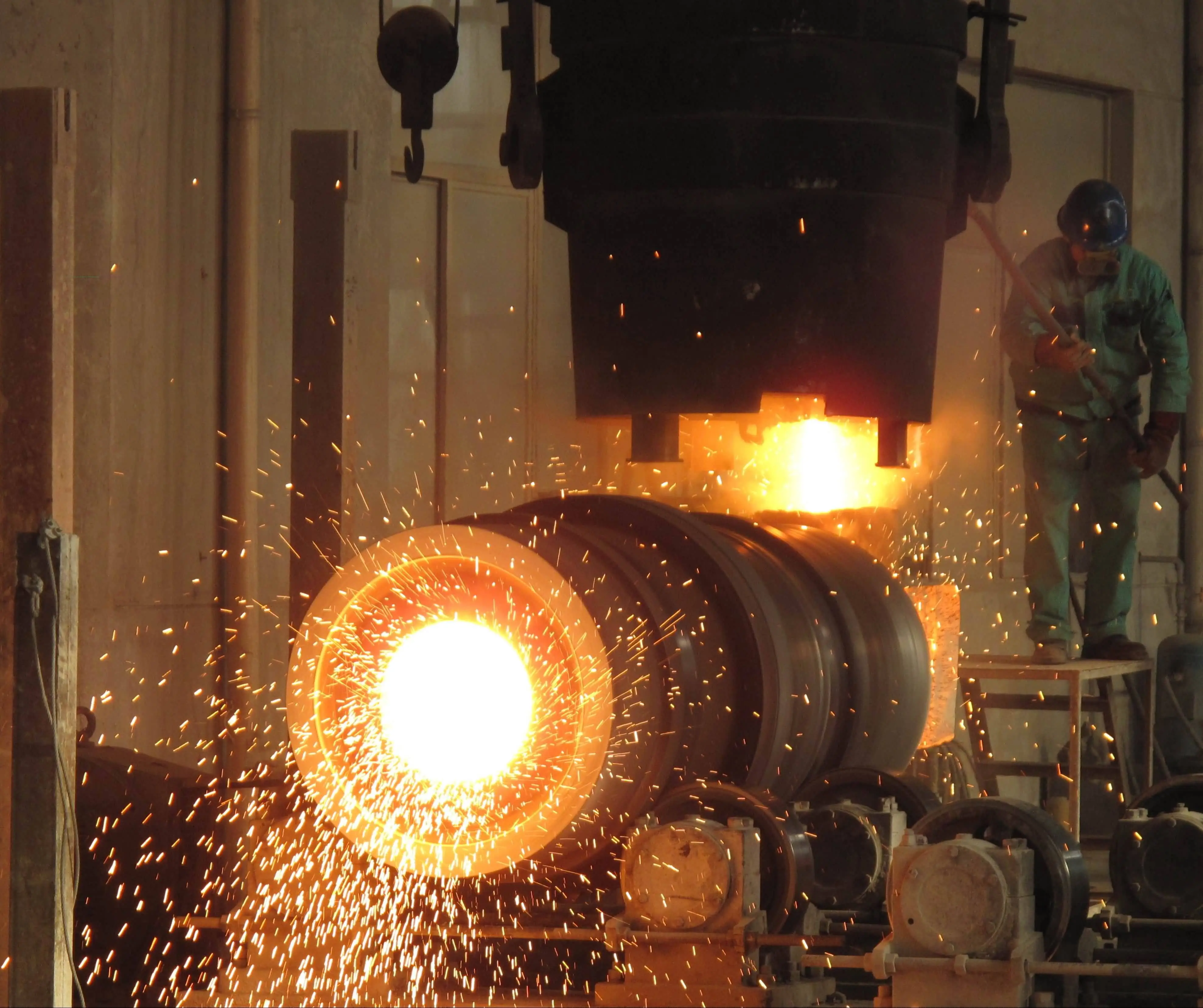
Investment casting lets you make parts with complicated shapes while keeping the exact molybdenum content throughout the whole part. The first step is to melt carefully measured amounts of alloy additions in electric arc furnaces. This makes sure that the molybdenum is evenly spread throughout the liquid metal. Modern foundries use spectrographic analysis to check the makeup before dumping, and they keep the molybdenum level within very tight limits. To keep molybdenum-rich stages from separating, cooling rates must be carefully controlled in both sand casting and investment casting. When you build the gates and risers correctly, you make sure that the material hardens evenly. This stops differences in makeup that could weaken the resistance to rust.
Forging Advantages and Microstructural Control
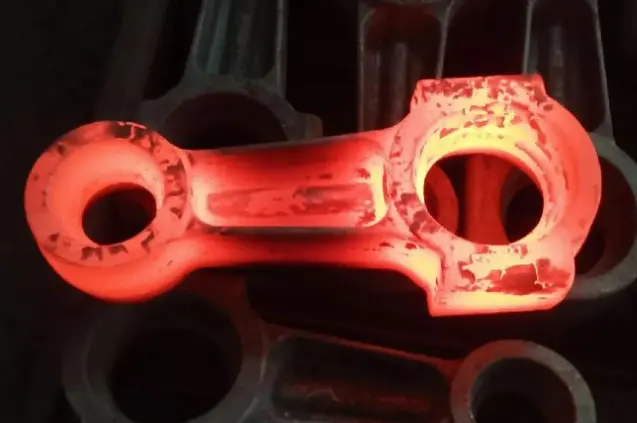
When compared to cast versions, hot forging methods make microstructures that are denser and more resistant to rust. The mechanical working breaks up cast dendrites and moves the alloying elements around so they are spread out more evenly. Because they have fewer holes and a more polished grain structure, forged parts usually resist rust 15 to 20 percent better than cast parts of the same makeup. Heat treatment after forming is very important for making things more resistant to rust. Solution annealing at 1900–2100°F breaks down carbides and evens out the grain, which makes molybdenum additions work better. Rapid cooling stops carbide formation, which would remove chromium and molybdenum from the matrix, so the rust protection stays at its best.
Practical Considerations for Procurement and Application
To choose the right materials, you have to make sure that the molybdenum percentage fits the performance needs and environmental issues. When making a purchase choice, the original costs must be weighed against the costs of dependability and upkeep over time.
Application-Specific Guidelines
For effective operation in marine stainless steel, the molybdenum level must be at least 2%. Grade 316 is strong enough for most uses in salt water, while 904L or twin grades are better for harsh coastal conditions. When working with chemicals, you need to be very careful when choosing certain corrosives, because the molybdenum content decreases with increased aggression. Higher molybdenum grades that don't react with cleaning agents and keep surfaces clean are better for food and drug uses.
Cost-Benefit Analysis and Material Alternatives
Higher molybdenum content makes materials more expensive, but they have a big value over their whole life because they last longer and need less upkeep. Most of the time, grade 316 costs 20–30% more than grade 304, and combination grades cost 50–80% more. Taking into account the costs of repair, the time lost, and the safety risks of failing too soon, these investments are well worth making. When you compare high-molybdenum grades to other materials, you can see how they are better at competing. Titanium is very good at resisting rust, but it is often too expensive to use. Aluminum alloys are lighter than other metals, but they aren't strong enough or resistant to rust enough for demanding uses. Protective coats are needed on carbon steels, which makes upkeep more difficult and costs more in the long run.
Welong: Your Trusted Partner for High-Quality Corrosion-Resistant Components
Since 2001, Welong has been a leader in making precise molds and forgings with the right amount of molybdenum. Because we know how to choose the right alloys and keep the process under control, we can make sure that they won't rust in tough industry settings like oil and gas, aircraft, automobile, and medical devices.
Advanced Manufacturing Capabilities
Our ISO 9001:2015-certified facilities use cutting-edge heating and shaping technologies to keep the molybdenum content under tight control. Investment casting can handle parts weighing up to 50 kg and having limits of ±0.1mm. Hot forging, on the other hand, can make parts weighing up to 500 kg that have great mechanical qualities and don't rust. Quality control methods include checking the material that comes in, keeping an eye on the metal makeup while it's being made, and trying all of the finished parts thoroughly. The spectrographic analysis checks that the molybdenum content is within certain limits, and the rust testing makes sure that the material works well in fake working conditions.
Global Supply Chain Excellence
Welong has been serving customers in Europe, North America, and the Asia-Pacific region for more than 20 years, so they know how important it is to have stable supply lines. Our long-term partnerships with top metal sources ensure that we always have the materials we need, and our engineering team helps with design optimization to make sure that parts work as well as they cost as little as possible. Our engineering staff uses AutoCAD, Pro-Engineering, and SolidWorks to help with design, and our custom manufacturing skills can work with sketches and models. This all-around method makes sure that the best materials are used and that the shape of the parts is just right for the rust protection needs.
Conclusion
The amount of molybdenum in stainless steel castings and forgings is the most important factor in determining how well they prevent rust. Understanding the connection between molybdenum levels and environmental problems helps choose materials that meet performance needs while also being cost-effective. To get the most out of adding molybdenum, manufacturing methods need to keep accurate metal control and use the right heat treatment. High-molybdenum grades are becoming more and more important in industrial uses. For long-term success, suppliers must know how to choose alloys and keep processes under control.
FAQ
Q1: Why is molybdenum more effective than other alloying elements for corrosion resistance?
A: Molybdenum uniquely enhances the stability and self-healing properties of the passive oxide layer. Unlike other elements that primarily strengthen the base metal, molybdenum concentrates at the passive film interface and promotes rapid repassivation when localized damage occurs, making it particularly effective against pitting and crevice corrosion in chloride environments.
Q2: How do casting and forging processes affect the corrosion performance of high-molybdenum grades?
A: Forged components typically exhibit 15-20% better corrosion resistance than cast equivalents due to denser microstructures and reduced porosity. However, both processes can achieve excellent performance when proper quality control maintains uniform molybdenum distribution and appropriate heat treatment optimizes the microstructure for maximum corrosion resistance.
Q3: What verification methods ensure proper molybdenum content in supplied components?
A: Reliable suppliers provide material test certificates with spectrographic analysis confirming alloy composition. Additional verification includes positive material identification using handheld XRF analyzers and, when critical, independent laboratory analysis. Procurement specifications should require certified test reports and allow for incoming inspection to verify molybdenum content meets requirements.
Partner with Welong for Superior Corrosion-Resistant Solutions
When your applications demand exceptional corrosion resistance, Welong delivers precision-engineered castings and forgings with optimized molybdenum content. Our comprehensive capabilities span from material selection through final machining, ensuring components meet the strictest performance requirements. As a leading stainless steel supplier with two decades of international experience, we understand the critical balance between cost and performance. Contact us at metal@welongpost.com to discuss your specific requirements and discover how our expertise can enhance your supply chain reliability.
References
1. Davis, J.R. "ASM Specialty Handbook: Stainless Steels" ASM International, Materials Park, Ohio, 1994.
2. Sedriks, A.J. "Corrosion of Stainless Steels, Second Edition." John Wiley & Sons, New York, 1996.
3. Peckner, D. and Bernstein, I.M. "Handbook of Stainless Steels" McGraw-Hill, New York, 1977.
4. Lula, R.A. "Stainless Steel" American Society for Metals, Metals Park, Ohio, 1986.
5. Oldfield, J.W. "Test Techniques for Pitting and Crevice Corrosion Resistance of Stainless Steels and Nickel-Base Alloys in Chloride-Containing Environments" ASTM STP 656, 1978.
6. Streicher, M.A. "Pitting Corrosion of 18Cr-8Ni Stainless Steel" Journal of the Electrochemical Society, Vol. 103, No. 7, 1956.